Pallet Stacking Equipment Solutions Guide

L
O
A
D
I
N
G

Get a Free Quote

Our representative will contact you soon.
Email
Mobile
Name
Company Name
Message
0/1000

pallet stacking equipment

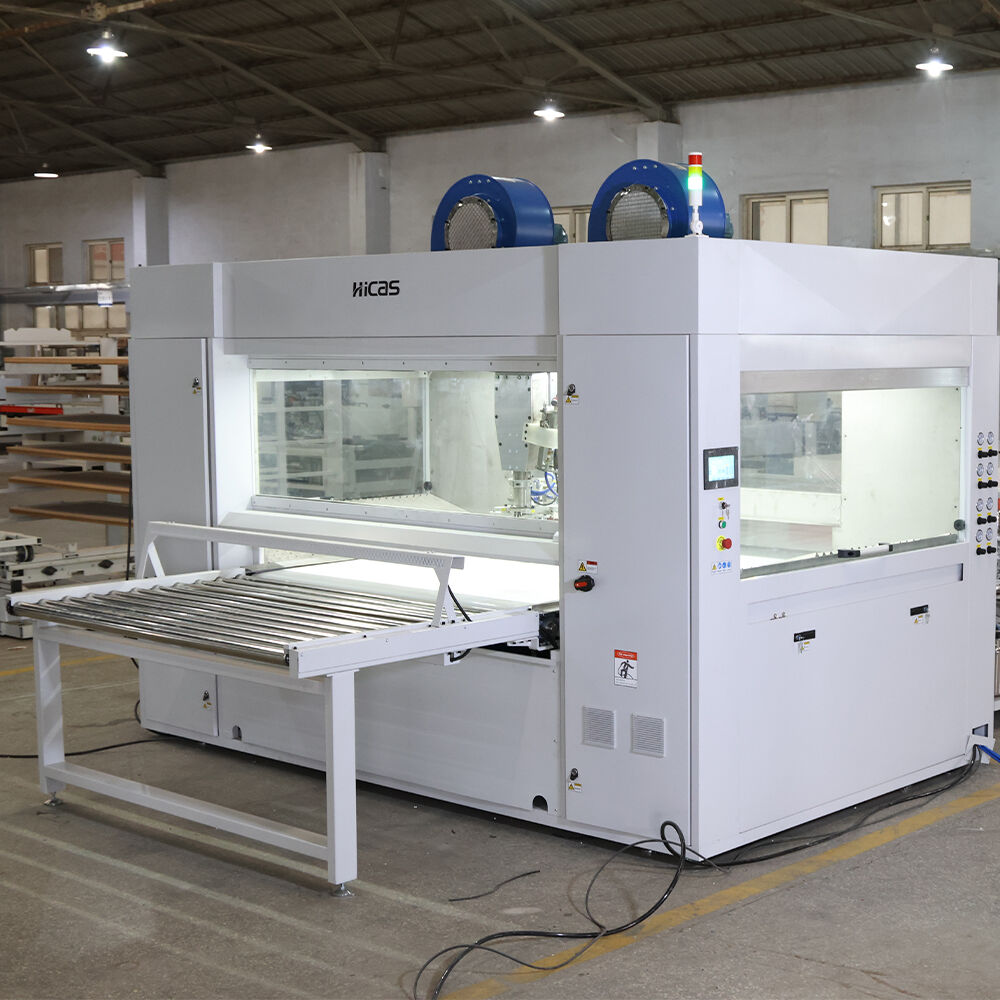
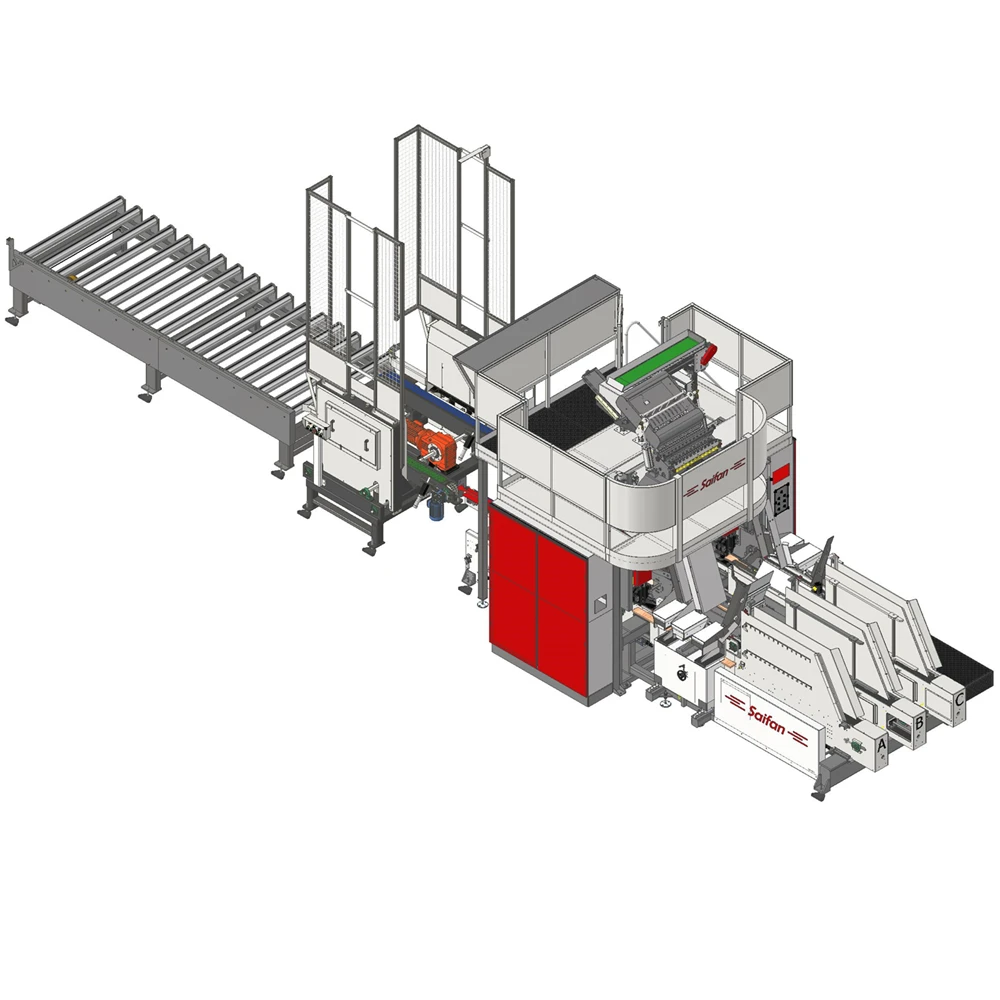
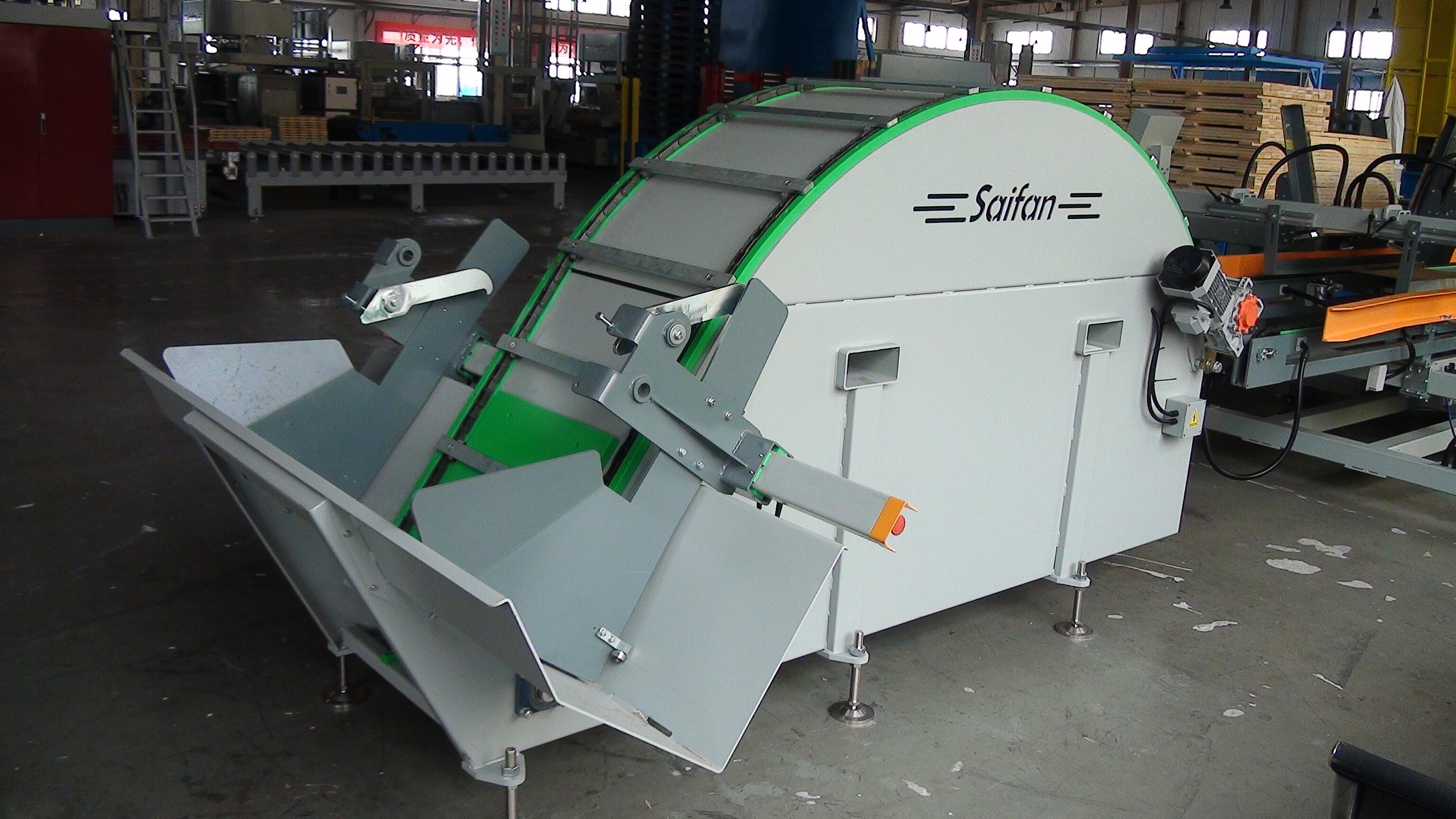
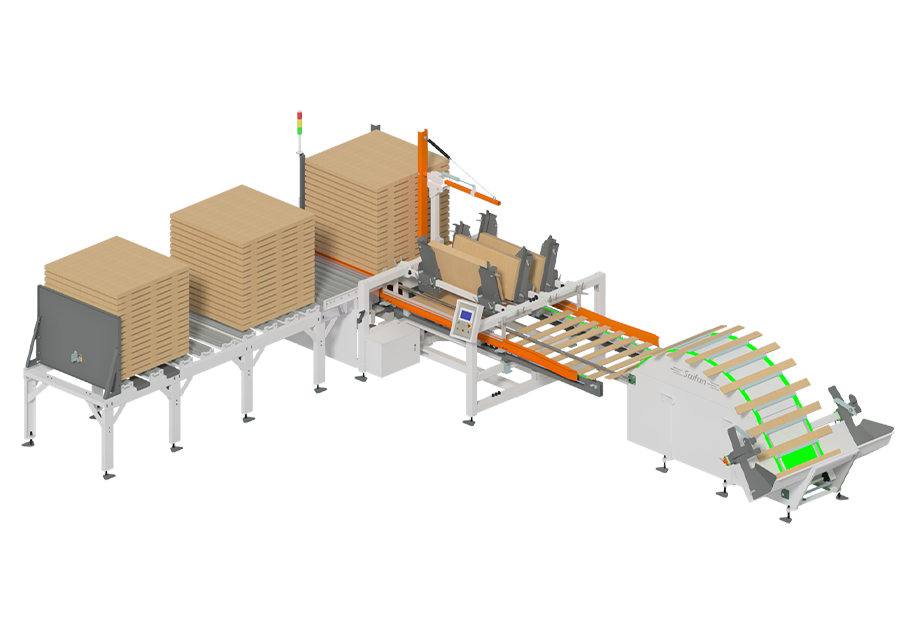
Pallet stacking equipment represents an essential category of material handling machinery designed to efficiently stack, organize, and retrieve palletized goods in warehouses, distribution centers, and manufacturing facilities. This specialized equipment automates the vertical stacking process, enabling businesses to maximize their storage capacity while maintaining safe and organized inventory management. Pallet stacking equipment encompasses various machine types, including automatic pallet stackers, semi-automatic stackers, and mobile stacking units, each engineered to handle different load capacities and operational requirements. The primary functions include lifting pallets to designated heights, precise placement of loaded pallets onto storage racks or stacking positions, and systematic retrieval when needed for order fulfillment. Technologically, modern pallet stacking equipment features advanced control systems with programmable logic controllers, hydraulic or electric lifting mechanisms, and safety sensors that prevent accidents and product damage. Many models incorporate adjustable forks, rotating capabilities, and variable lift speeds to accommodate diverse pallet sizes and weight specifications. The equipment typically operates through intuitive control panels or remote operation systems, allowing operators to manage stacking operations with minimal physical effort. Applications span across industries including retail distribution, food and beverage storage, pharmaceutical warehousing, automotive parts management, and e-commerce fulfillment centers. By implementing pallet stacking equipment, facilities can significantly improve their space utilization, reduce manual labor requirements, and enhance overall warehouse productivity while maintaining consistent stacking quality and operational safety standards.

New Products

Investing in pallet stacking equipment delivers substantial operational benefits that directly impact your bottom line and daily warehouse efficiency. The most immediate advantage is the dramatic increase in storage capacity, as this equipment enables you to utilize vertical space effectively, often doubling or tripling your storage density without expanding your facility footprint. This space optimization translates directly into cost savings by eliminating or delaying expensive building expansions. Labor efficiency improves significantly because one operator using pallet stacking equipment can accomplish the work that previously required multiple workers performing manual stacking tasks, reducing labor costs while minimizing workplace injuries associated with repetitive lifting and awkward positioning. The equipment operates with consistent precision, ensuring uniform stack quality that prevents product damage, reduces inventory loss, and maintains stable pallet configurations during storage. Speed and throughput increase notably, as automated stacking processes move products faster than manual methods, helping you meet tight delivery schedules and handle peak demand periods without bottlenecks. Safety benefits extend throughout your operation, as the equipment reduces worker exposure to hazardous manual lifting, decreases forklift traffic congestion, and incorporates protective features like overload sensors and emergency stops. Operational flexibility stands out as another key advantage, with most pallet stacking equipment handling various pallet types, accommodating different product weights, and adapting to changing inventory needs without requiring significant reconfiguration. The equipment also provides excellent return on investment through reduced operational costs, improved inventory accuracy, and enhanced customer satisfaction from faster order fulfillment. For facilities considering automation upgrades, pallet stacking equipment represents an accessible entry point that delivers measurable improvements without requiring complete warehouse system overhauls, making it suitable for businesses at different growth stages and budget levels.

Latest News

Automatic Wood Cutting Systems for Pallet Manufacturing: Accuracy and Speed

28

Feb

Automatic Wood Cutting Systems for Pallet Manufacturing: Accuracy and Speed

Achieving Sub-3mm Crosscut Accuracy with Automatic Wood Cutting Systems Laser Calibration and Real-Time Blade Deflection Compensation Today's automatic wood cutting machines can hit under 1.5mm accuracy on crosscuts thanks to laser calibration ...
View More
Key Advantages of Using High Speed Pallet Nailing Machines in Large Scale Production

27

Mar

Key Advantages of Using High Speed Pallet Nailing Machines in Large Scale Production

Boosting Production Efficiency with High-Speed Pallet Nailing Machines Eliminating Assembly Bottlenecks: From Manual Labor to Fully Synchronized Automation Switching from manual hammering to automated pallet nailing systems takes away those frustr...
View More
SF6060 Safety, Operation, Maintenance & Common Faults and Troubleshooting

13

May

SF6060 Safety, Operation, Maintenance & Common Faults and Troubleshooting

SF6060: Safety, Operation, Maintenance & Common Troubleshooting Guide Whether you’re a new operator or a seasoned maintenance technician, understanding the safety protocols, operational steps, and troubleshooting tips for the SF6060 is critic...
View More
The basic operation of the SF9020 slab connection machine equipment

04

Jun

The basic operation of the SF9020 slab connection machine equipment

I. Operating Precautions This is a high-performance and advanced equipment. Before operating it, you must carefully read the equipment manual to operate and maintain it properly in various working environments, ensuring maximum safety. Ensure that th...
View More

Get a Free Quote

Our representative will contact you soon.
Email
Mobile
Name
Company Name
Message
0/1000

pallet stacking equipment

Advanced Automation Technology for Seamless Operations

Advanced Automation Technology for Seamless Operations

Modern pallet stacking equipment incorporates sophisticated automation technology that transforms traditional warehouse operations into streamlined, efficient processes. These systems feature intelligent control interfaces that allow operators to program stacking patterns, set precise height parameters, and customize operational sequences according to specific product requirements. The integration of programmable logic controllers ensures consistent performance across all stacking cycles, eliminating human error and maintaining uniform quality standards. Advanced sensor arrays continuously monitor load positions, weight distribution, and environmental conditions, automatically adjusting lifting speeds and positioning to prevent product damage. Many models now include connectivity features that integrate with warehouse management systems, providing real-time data on stacking operations, inventory locations, and equipment performance metrics. This technological sophistication extends to safety systems, with multiple redundant sensors detecting obstacles, monitoring hydraulic pressures, and triggering immediate stops when irregularities occur. The automation capabilities significantly reduce training time for new operators while enabling experienced staff to manage multiple stacking operations simultaneously, maximizing labor productivity and operational throughput across your entire facility.
Exceptional Durability and Minimal Maintenance Requirements

Exceptional Durability and Minimal Maintenance Requirements

Pallet stacking equipment is engineered for demanding industrial environments, featuring robust construction that withstands continuous daily operation while requiring minimal maintenance intervention. Manufacturers utilize high-grade steel frames, industrial-duty hydraulic components, and commercial-grade electrical systems specifically selected for longevity and reliability under heavy workloads. The mechanical design emphasizes accessibility, with critical components positioned for easy inspection and routine servicing without requiring specialized tools or extensive downtime. Sealed bearing assemblies protect moving parts from dust and debris contamination, while corrosion-resistant finishes ensure equipment maintains structural integrity even in challenging warehouse conditions. The hydraulic systems incorporate filtration technology that extends fluid life and prevents contamination-related failures, while electric drive systems feature thermal protection that prevents overheating during extended operation cycles. Scheduled maintenance requirements typically involve straightforward procedures like fluid level checks, visual inspections, and periodic lubrication, tasks that in-house maintenance teams can easily perform without factory service calls. This durability translates into predictable operational costs, minimal unexpected downtime, and extended equipment lifespan that protects your capital investment while maintaining consistent warehouse productivity throughout years of service.
Versatile Configuration Options for Diverse Applications

Versatile Configuration Options for Diverse Applications

The adaptability of pallet stacking equipment makes it suitable for virtually any warehouse environment and product handling requirement, regardless of industry or operational scale. Equipment configurations range from compact models designed for facilities with limited floor space to heavy-duty systems capable of handling multi-ton loads and stacking heights exceeding twenty feet. Adjustable fork widths accommodate standard pallets, Euro pallets, custom-sized platforms, and specialized containers, eliminating the need for multiple specialized machines. Variable lift speed controls allow operators to select gentle handling for fragile products or rapid cycling for durable goods, optimizing throughput without compromising product integrity. Mobile pallet stacking equipment provides positioning flexibility, enabling operations in multiple warehouse zones without fixed installation requirements, while stationary models offer maximum stability for high-volume, dedicated stacking locations. Power options include electric battery systems for indoor applications requiring zero emissions, diesel or propane units for outdoor operations, and hybrid configurations balancing performance with environmental considerations. Optional attachments expand functionality further, with rotating forks for orientation changes, side-shift mechanisms for precise positioning, and specialized clamps for non-palletized loads. This configuration versatility ensures that pallet stacking equipment adapts to your specific operational needs rather than forcing you to modify processes around equipment limitations.