Fully Automatic Pallet Making Machine Solutions

L
O
A
D
I
N
G

Get a Free Quote

Our representative will contact you soon.
Email
Mobile
Name
Company Name
Message
0/1000

fully automatic pallet making machine

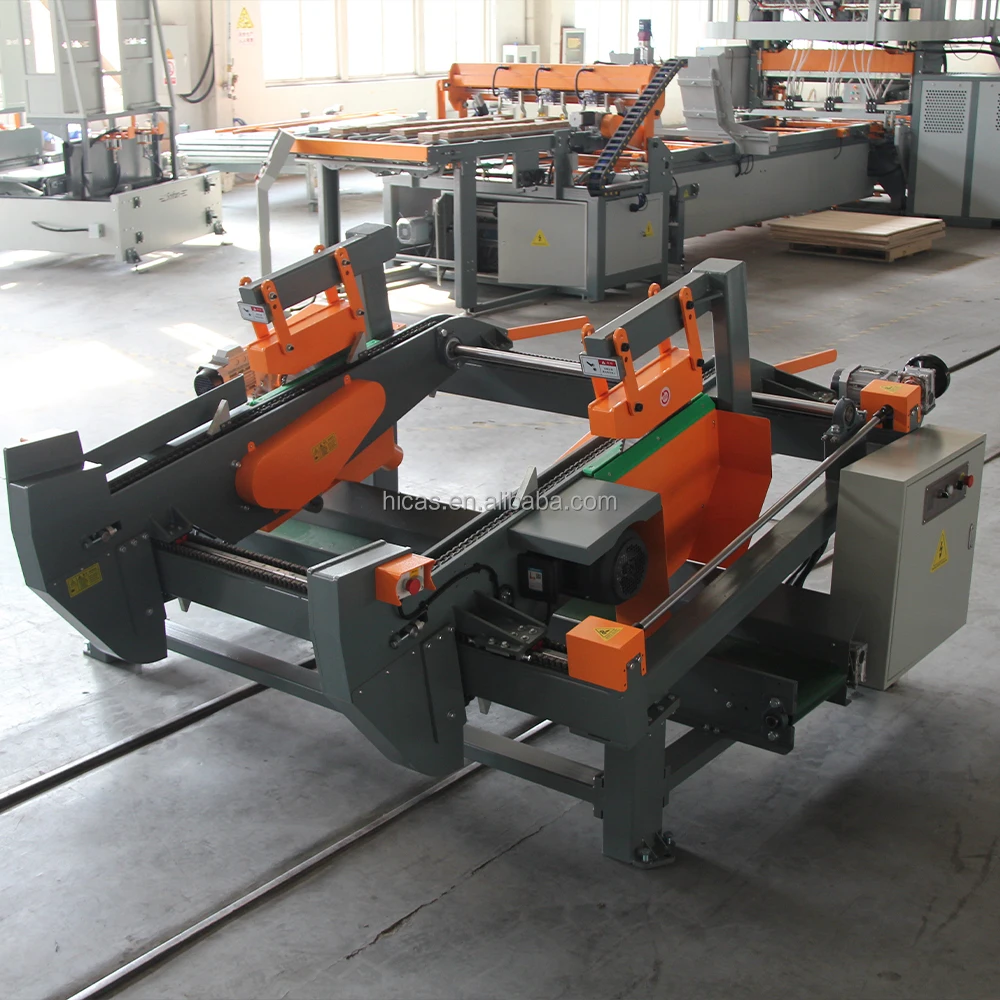
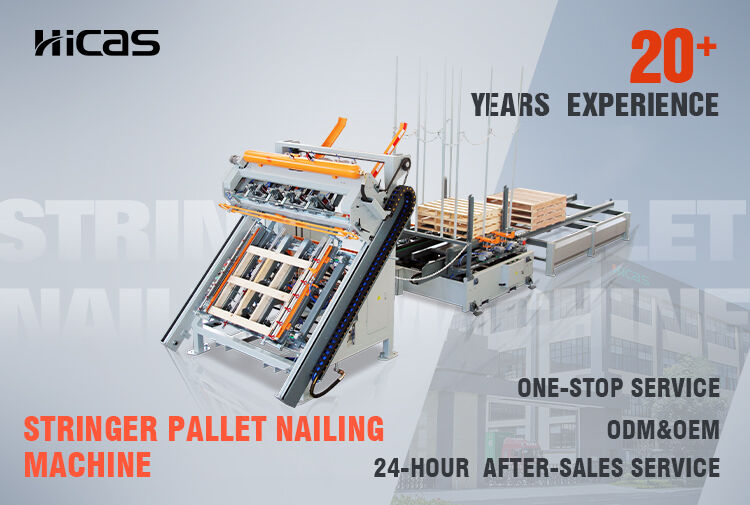
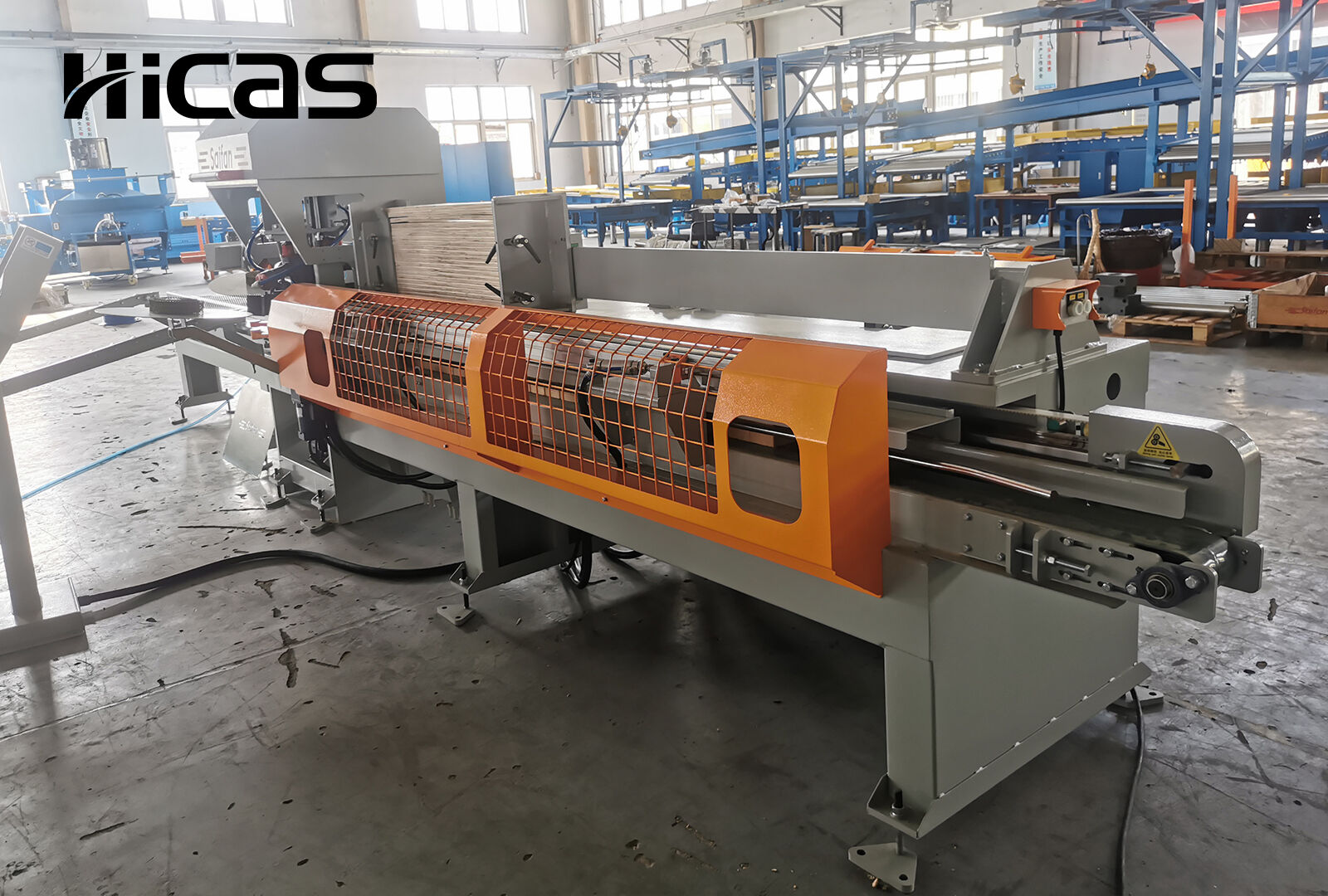
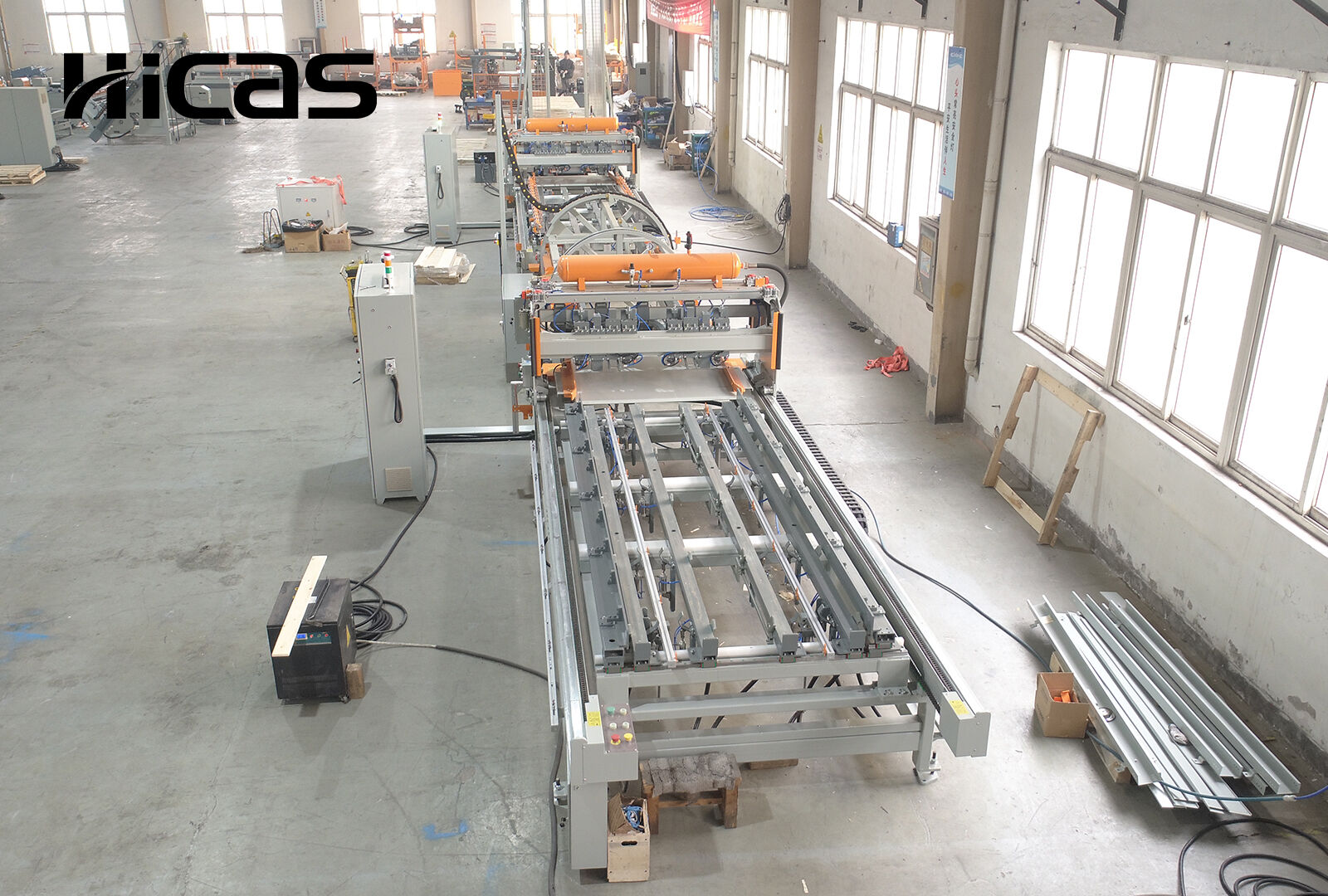
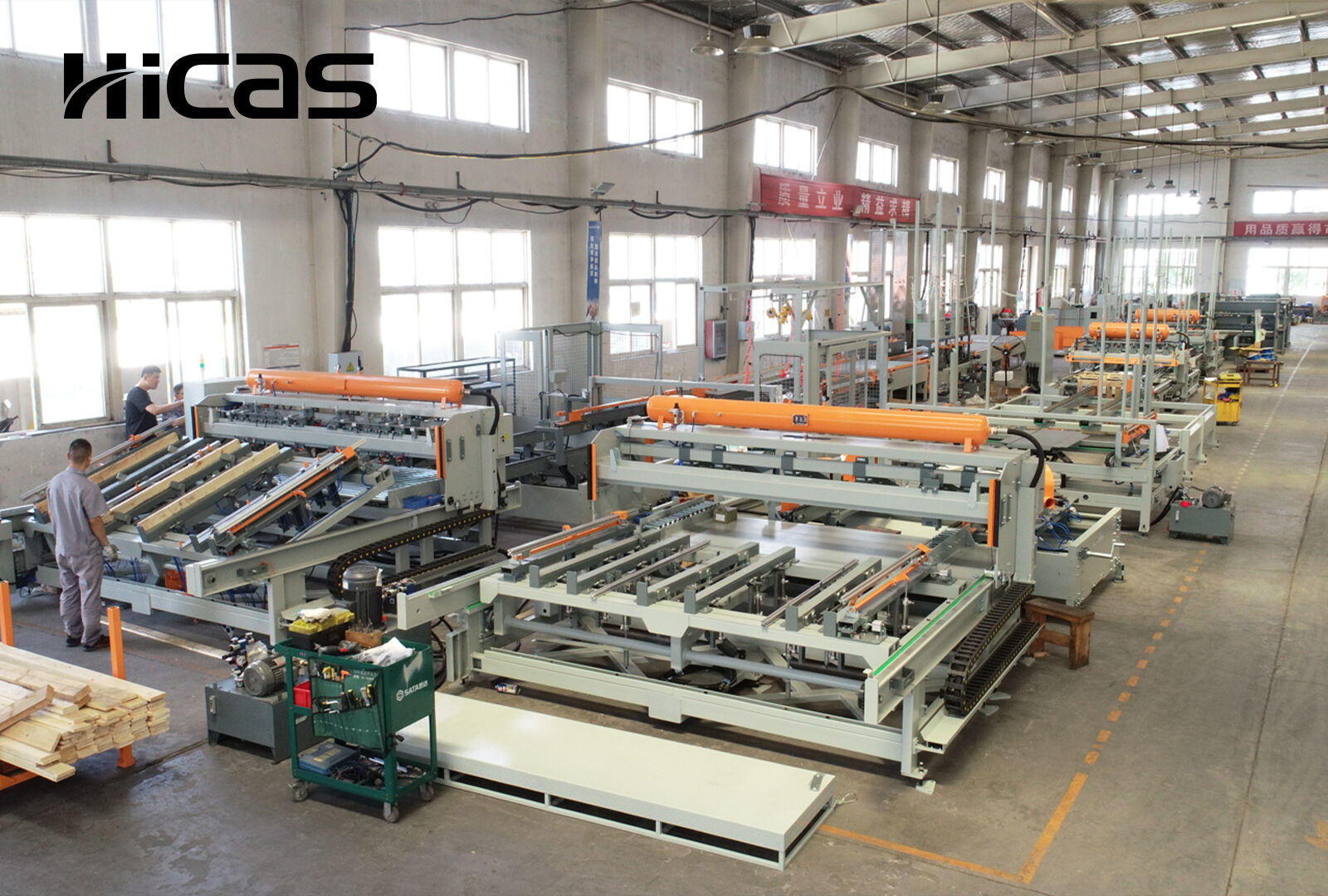
A fully automatic pallet making machine is an advanced manufacturing system designed to produce wooden or pressed-wood pallets with minimal human intervention. This sophisticated equipment streamlines the entire pallet production process, from raw material feeding to finished product output, ensuring consistent quality and high-volume production capacity. The fully automatic pallet making machine integrates cutting-edge technology including computer numerical control systems, automated feeding mechanisms, precision cutting tools, and intelligent stacking systems. These machines can process various materials such as solid wood, plywood, and compressed wood particles, adapting to different pallet specifications and design requirements. The production line typically includes automatic board feeding, notching, cutting to length, assembly, and stacking functions, all coordinated through programmable logic controllers. Modern fully automatic pallet making machine models feature touchscreen interfaces for easy operation, real-time production monitoring, and quality control systems that detect defects instantly. The technological features encompass servo-driven components for precision movement, hydraulic pressing systems for strong joints, and safety sensors ensuring operator protection. Applications span across logistics companies, warehousing facilities, manufacturing plants, and pallet production businesses seeking to scale operations efficiently. The fully automatic pallet making machine represents a significant advancement in material handling equipment manufacturing, offering businesses the capability to meet growing demand while maintaining competitive pricing and superior product consistency in today's fast-paced industrial environment.

New Products

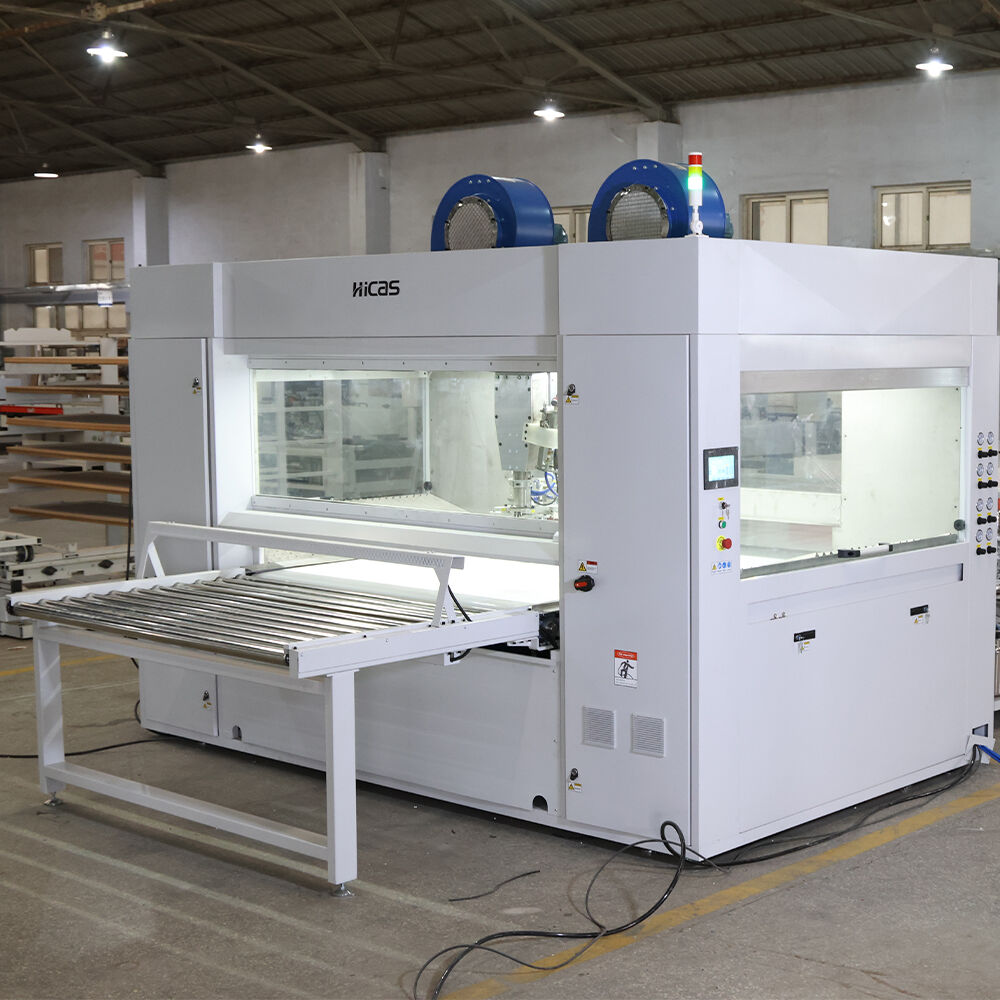
Investing in a fully automatic pallet making machine delivers substantial operational benefits that directly impact your bottom line. Production speed increases dramatically, with modern systems capable of manufacturing between 300 to 800 pallets per eight-hour shift, depending on specifications and complexity. This throughput far exceeds manual or semi-automatic production methods, allowing businesses to fulfill larger orders and expand market reach. Labor cost reduction represents another significant advantage, as automation minimizes the workforce required from eight to ten workers down to just two or three operators for supervision and material handling. The consistency and precision of automated production eliminate human error, resulting in uniform pallet dimensions and quality across every unit produced. This reliability reduces material waste substantially, with optimized cutting patterns and accurate measurements ensuring maximum utilization of raw materials. Energy efficiency built into modern fully automatic pallet making machine designs reduces operational costs through smart power management and optimized production cycles. The machines adapt quickly to different pallet specifications through programmable settings, enabling production flexibility without extensive retooling or downtime. Safety improvements protect your workforce, as automated systems handle dangerous cutting and pressing operations, significantly reducing workplace accidents and associated costs. Return on investment typically occurs within eighteen to thirty months for medium to large operations, making the fully automatic pallet making machine a financially sound decision. Maintenance requirements remain manageable with accessible components and diagnostic systems that predict service needs before failures occur. The competitive advantage gained through faster delivery times, consistent quality, and lower per-unit costs positions businesses for sustainable growth in an increasingly demanding marketplace.

Practical Tips

Automatic Wood Cutting Systems for Pallet Manufacturing: Accuracy and Speed

28

Feb

Automatic Wood Cutting Systems for Pallet Manufacturing: Accuracy and Speed

Achieving Sub-3mm Crosscut Accuracy with Automatic Wood Cutting Systems Laser Calibration and Real-Time Blade Deflection Compensation Today's automatic wood cutting machines can hit under 1.5mm accuracy on crosscuts thanks to laser calibration ...
View More
Building a Complete Wood Pallet Manufacturing Line for Maximum Output

27

Mar

Building a Complete Wood Pallet Manufacturing Line for Maximum Output

Essential Wood Pallet Manufacturing Equipment and Automation Levels Core Machinery: Sawmills, Nailers, Stackers, and Conveyors Wood pallet production lines typically depend on about four main systems working together. Let's start at the beginning ...
View More
How Automated Painting Lines Enhance Efficiency in Furniture Production

27

Mar

How Automated Painting Lines Enhance Efficiency in Furniture Production

Accelerating Production Throughput with Automatic Painting Lines Robotic Spray Arms and Synchronized Conveyance Boost Cycle Speed Today's automated spray painting systems combine robotic arms with smart conveyor technology to boost furniture manuf...
View More
Why Integrated Coating Sanding and Painting Lines Are Critical for Modern Wood Factories

27

Mar

Why Integrated Coating Sanding and Painting Lines Are Critical for Modern Wood Factories

Boosting Throughput and Consistency with Fully Integrated Wood Coating Machines Bottleneck Elimination: How Fragmented Finishing Slows High-Mix Wood Production In wood manufacturing shops that handle lots of different products, broken up finishing...
View More

Get a Free Quote

Our representative will contact you soon.
Email
Mobile
Name
Company Name
Message
0/1000

fully automatic pallet making machine

Intelligent Automation and Control Systems

Intelligent Automation and Control Systems

The fully automatic pallet making machine incorporates sophisticated control systems that revolutionize production management and operational efficiency. Advanced programmable logic controllers coordinate every manufacturing stage, from initial material feeding through final product stacking, ensuring seamless workflow without manual intervention. Operators interact with intuitive touchscreen interfaces displaying real-time production metrics, including current output rates, material consumption, and quality indicators. The system stores multiple pallet design specifications in memory, allowing rapid changeovers between different product types with simple program selection rather than mechanical adjustments. Integrated sensors throughout the production line monitor material positioning, cutting accuracy, and assembly quality, automatically adjusting parameters to maintain specifications. When deviations occur, the system alerts operators immediately and can pause production to prevent defective output, protecting material investment and maintaining customer satisfaction. Remote monitoring capabilities enable management to track production performance from any location, facilitating data-driven decisions about scheduling, maintenance, and capacity planning. This intelligent automation reduces training requirements for new operators while maximizing production consistency and minimizing costly errors that plague manual operations.
Superior Material Utilization and Cost Efficiency

Superior Material Utilization and Cost Efficiency

One of the most compelling benefits of the fully automatic pallet making machine is its exceptional material optimization that directly reduces production costs. Computer-controlled cutting systems calculate the most efficient board layouts, minimizing waste and extracting maximum value from every piece of raw material processed. Precision cutting accuracy within millimeter tolerances ensures components fit together perfectly during assembly, eliminating gaps and structural weaknesses common in manually cut pieces. The automated feeding system handles materials gently, reducing damage and breakage that wastes resources in conventional production methods. Consistent processing speeds and controlled pressure application during assembly operations prevent over-stressing materials, extending the service life of finished pallets and enhancing customer satisfaction. Energy consumption optimization through variable speed drives and intelligent power management reduces utility costs significantly compared to older production equipment. The fully automatic pallet making machine achieves production volumes that spread fixed costs across more units, lowering per-pallet manufacturing expenses and improving profit margins. Reduced labor requirements translate to substantial savings in wages, benefits, and training investments while eliminating costs associated with worker turnover and absenteeism that disrupt manual production schedules.
Scalability and Market Adaptability

Scalability and Market Adaptability

The fully automatic pallet making machine provides businesses with exceptional scalability and market responsiveness that drive competitive advantage. Production capacity adjusts easily to meet fluctuating demand through extended operating hours without the complications of hiring and training additional workers. The equipment handles diverse pallet designs including standard sizes, custom specifications, and specialized applications such as export pallets or heavy-duty industrial models, all through programmable adjustments rather than costly retooling. This versatility enables manufacturers to serve multiple market segments and respond quickly to emerging opportunities without significant capital investment. Modular design in advanced systems allows capacity expansion through additional production modules that integrate seamlessly with existing equipment, supporting business growth without complete system replacement. The consistent quality output from the fully automatic pallet making machine helps businesses qualify for contracts with major logistics companies and retailers who demand strict quality standards and reliable supply chains. Faster production cycles mean shorter lead times for customers, providing a service advantage that builds loyalty and justifies premium pricing. As market conditions evolve and customer requirements change, the adaptability of automated systems positions businesses to pivot quickly, maintaining relevance and profitability in dynamic industrial environments.