Pallet Production Machine Cost Guide & Benefits

L
O
A
D
I
N
G

Get a Free Quote

Our representative will contact you soon.
Email
Mobile
Name
Company Name
Message
0/1000

pallet production machine cost

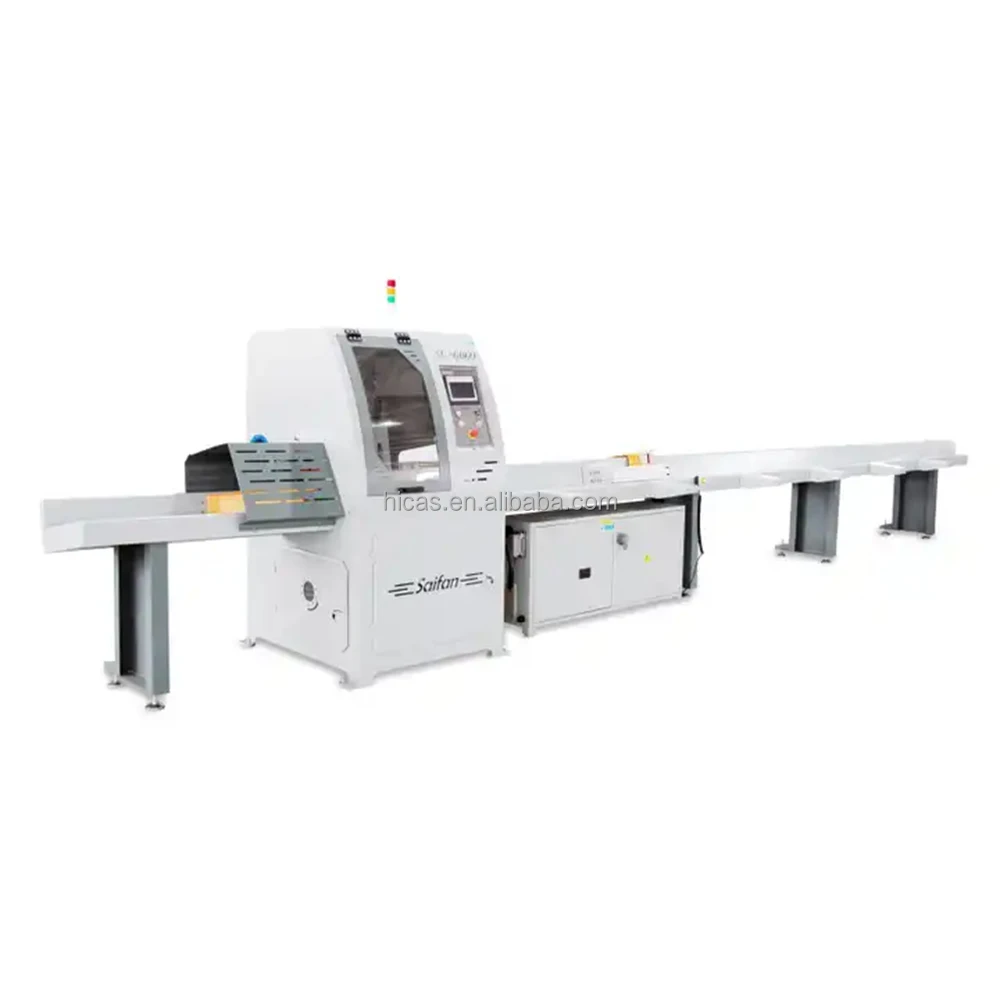
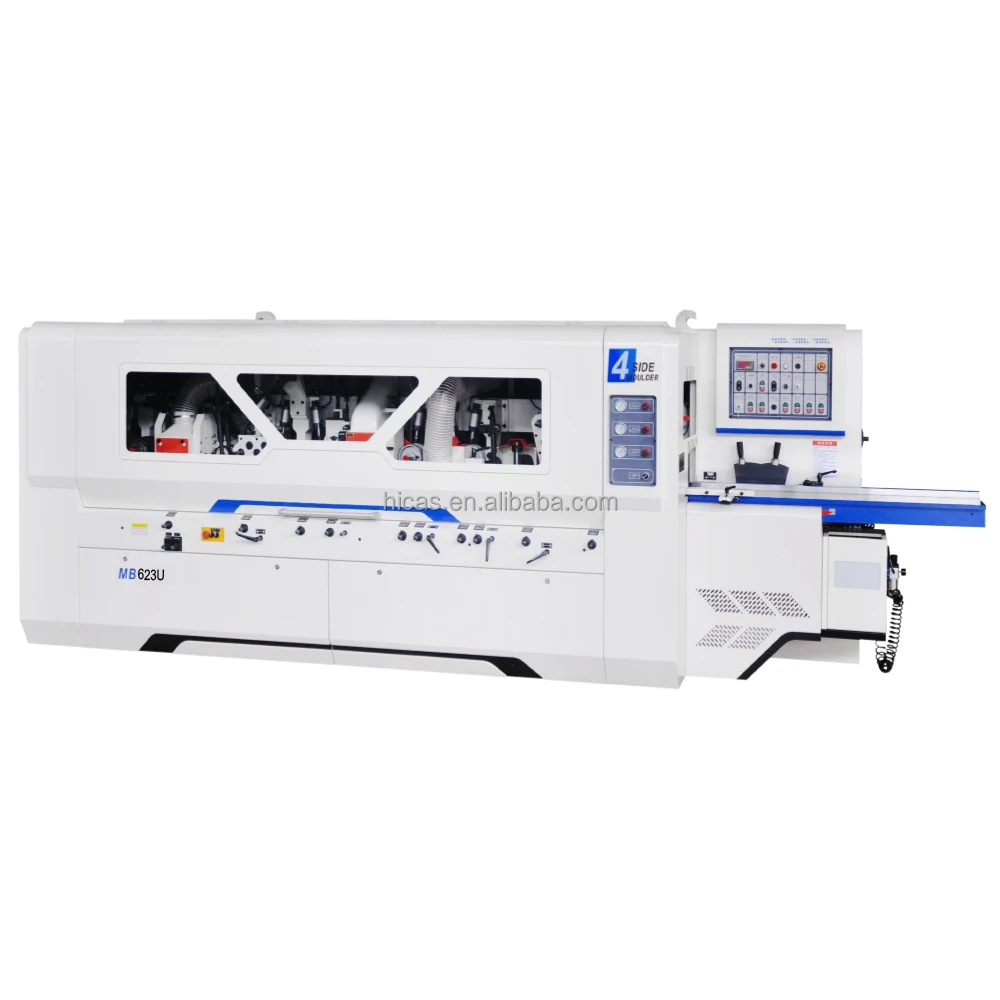
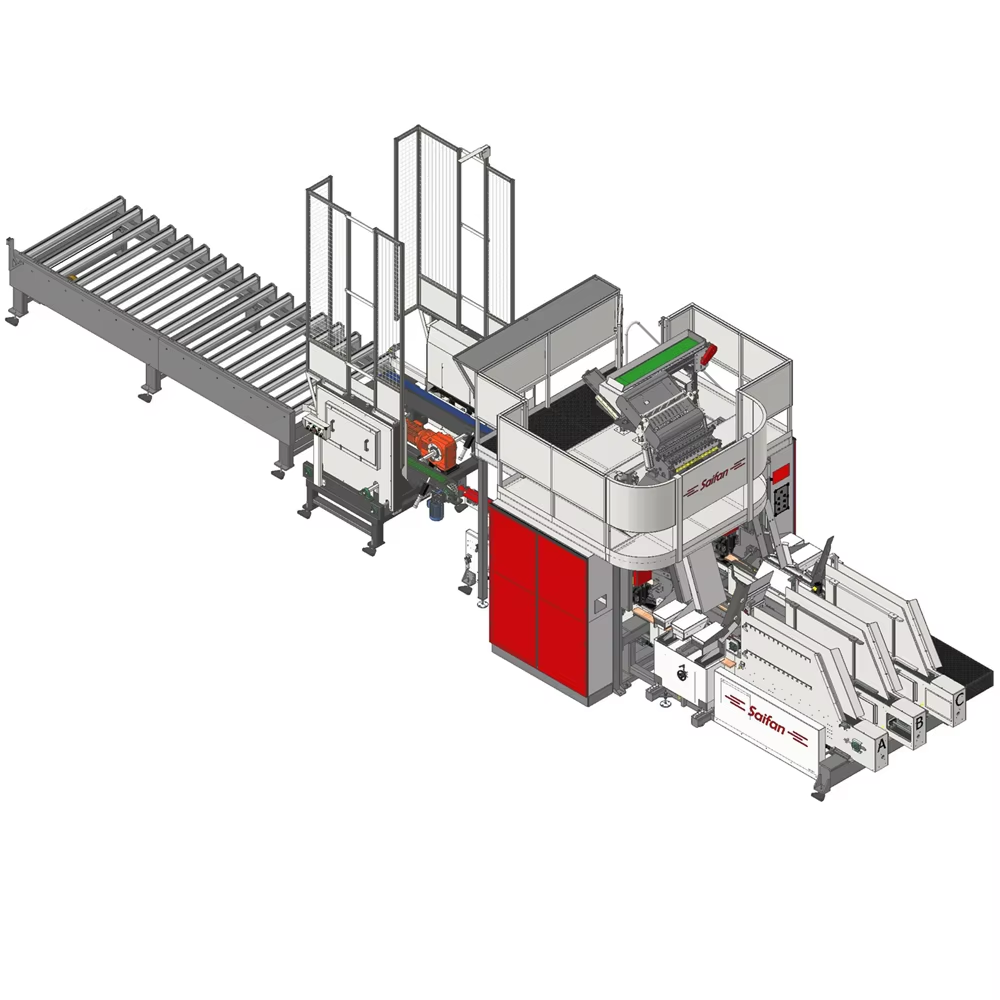
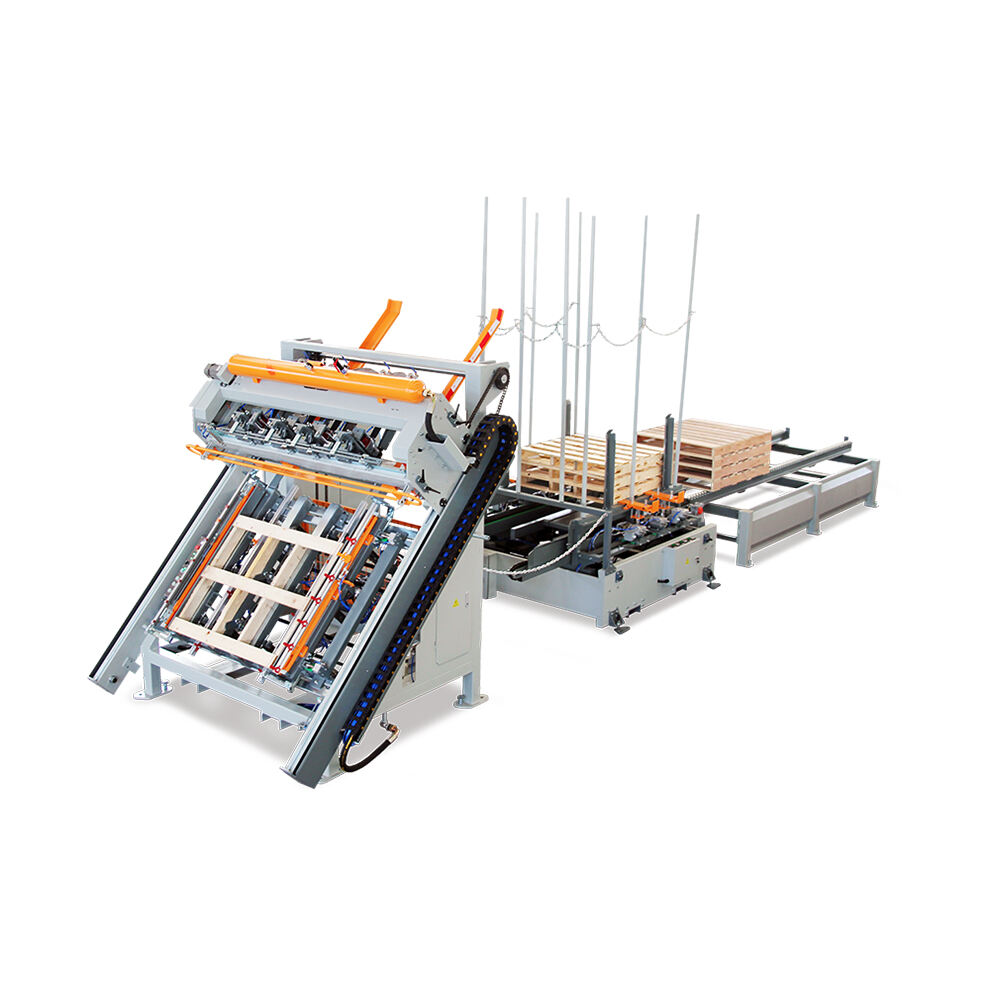
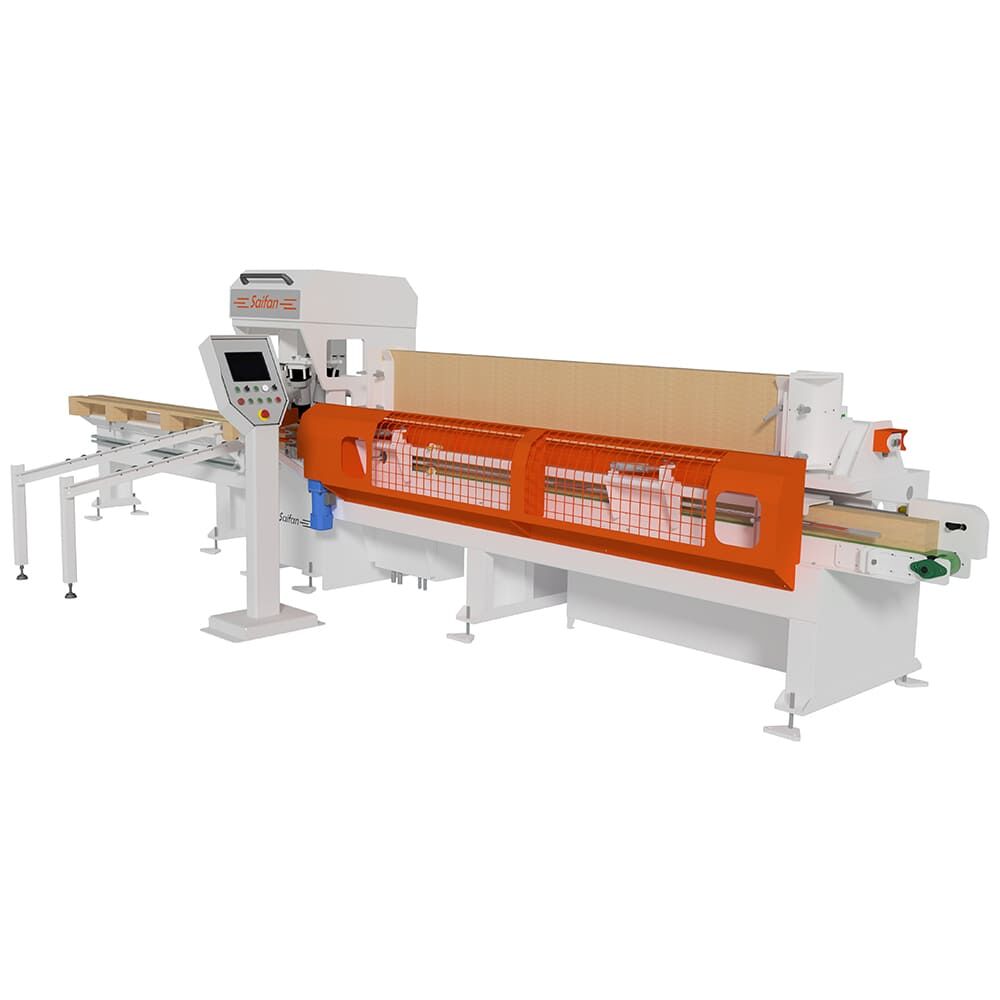
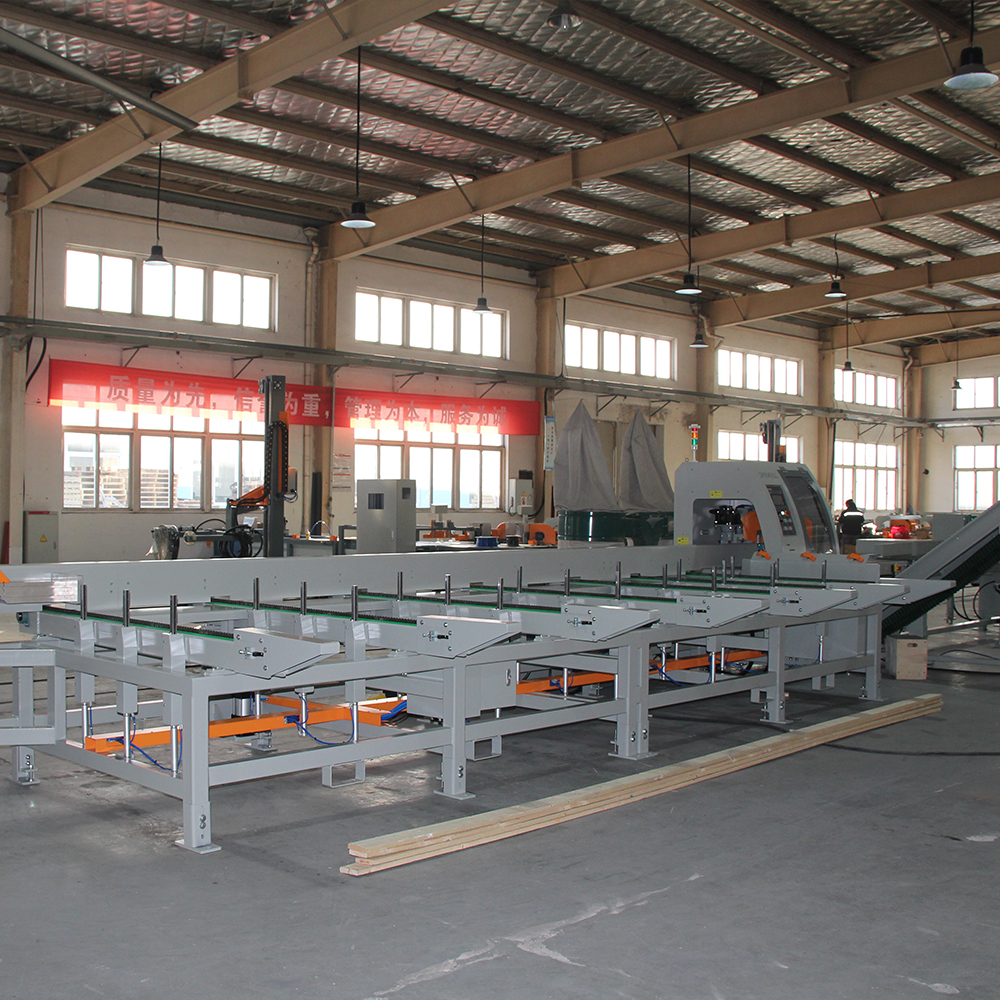
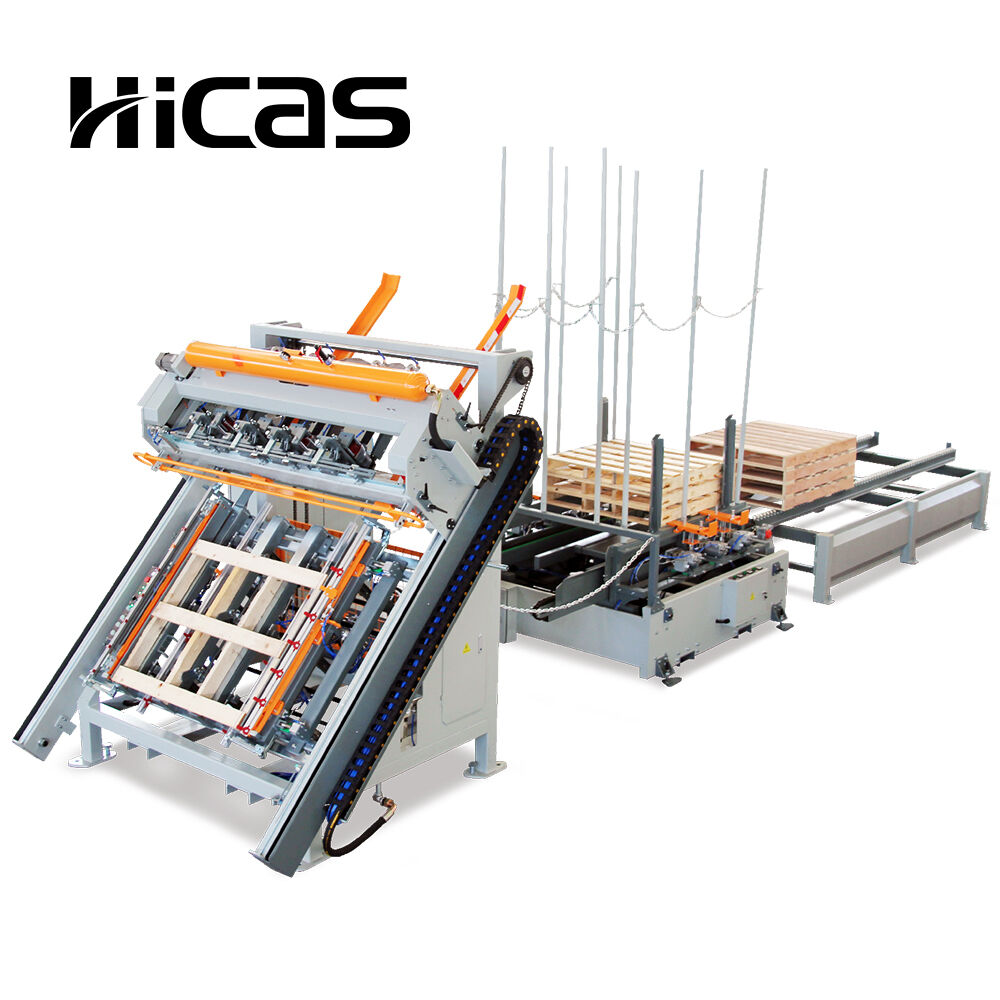
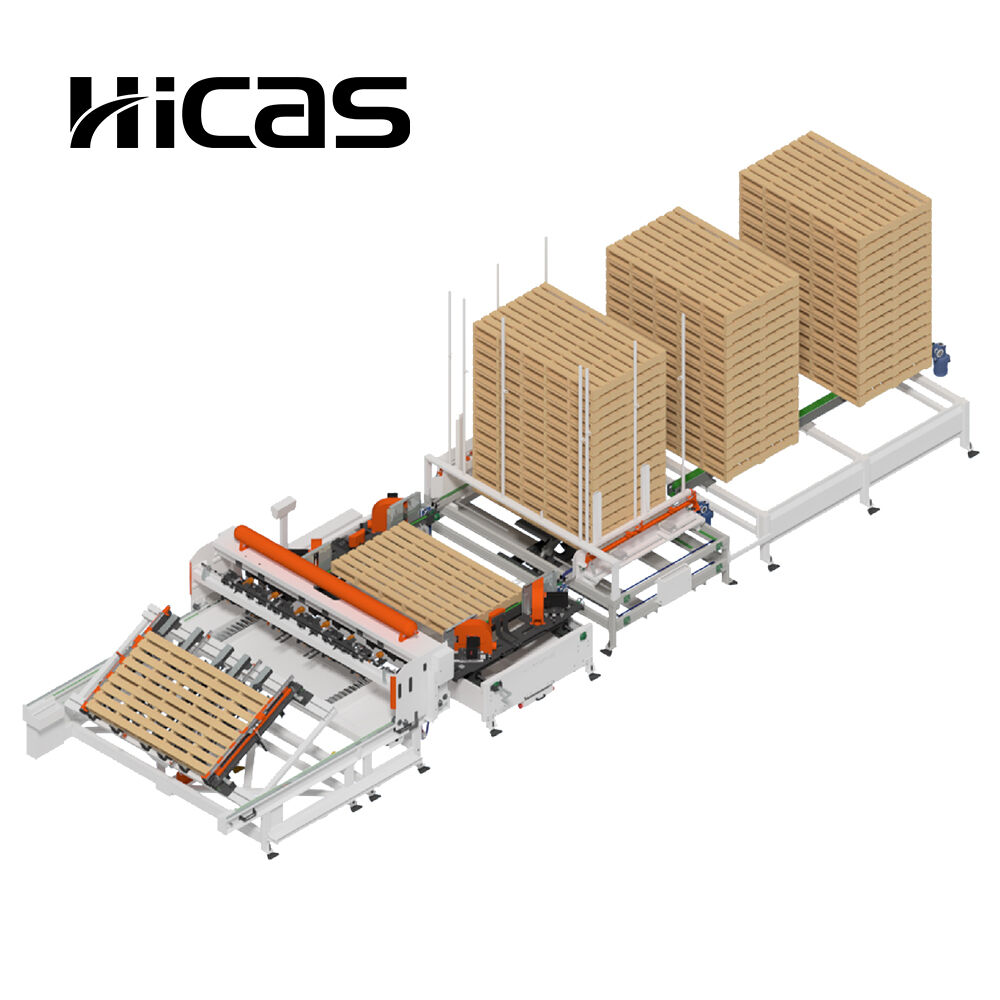
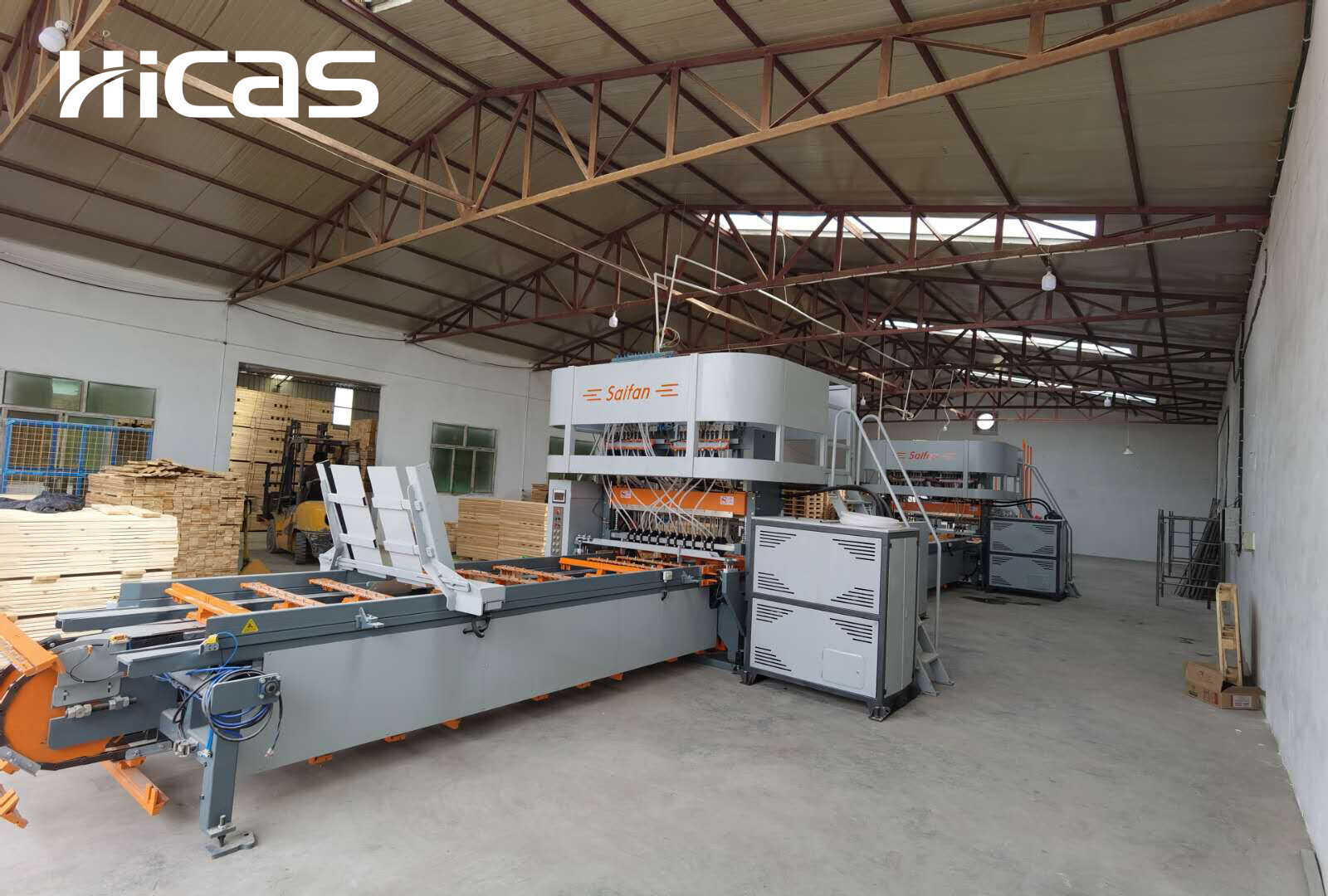
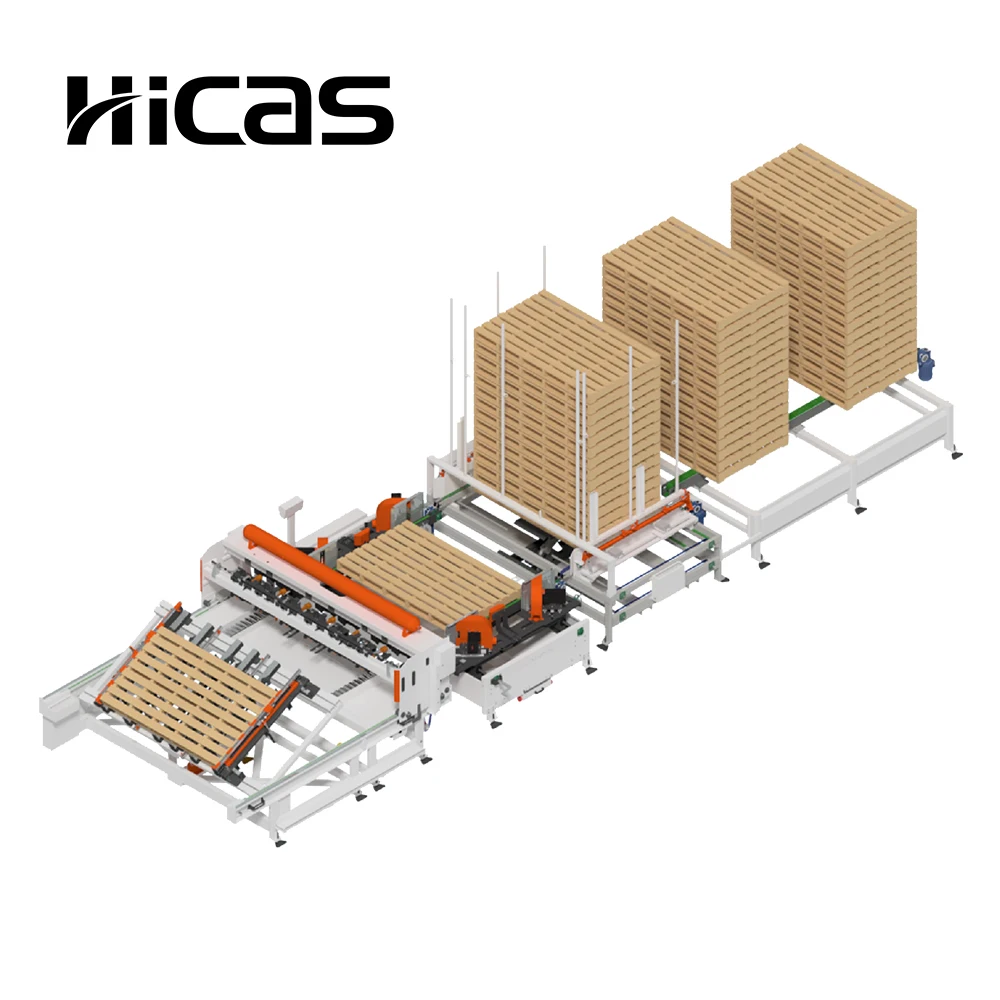
A pallet production machine is a specialized piece of industrial equipment designed to manufacture wooden, plastic, or composite pallets efficiently and at scale. Understanding the pallet production machine cost is essential for businesses looking to invest in automated pallet manufacturing solutions. These machines automate the cutting, assembling, and finishing processes that traditionally required manual labor, significantly increasing production capacity while reducing long-term operational expenses. The pallet production machine cost typically ranges from $20,000 for basic models to over $500,000 for fully automated production lines, depending on capacity, features, and technology integration. Main functions include precision cutting of pallet components, automated nail or screw fastening, quality inspection systems, and stackable output organization. Technological features often encompass programmable logic controllers for customized pallet designs, hydraulic pressing systems for secure assembly, automatic feeding mechanisms that minimize material waste, and safety sensors that protect operators. These machines are suitable for various applications including logistics companies requiring standardized shipping pallets, manufacturing facilities needing custom-sized pallets for specific products, pallet recycling operations, and export-focused businesses demanding ISPM-15 compliant heat-treated pallets. When evaluating pallet production machine cost, buyers should consider production volume requirements, available floor space, energy consumption, maintenance needs, and potential return on investment through labor savings and increased output capacity.

New Product Recommendations

Investing in pallet production equipment delivers substantial financial and operational benefits that justify the initial pallet production machine cost. First, these machines dramatically reduce labor expenses by automating repetitive tasks that previously required multiple workers, allowing businesses to reallocate human resources to higher-value activities. Production speed increases significantly, with automated systems producing 200-800 pallets per shift compared to 50-150 pallets through manual methods, directly improving throughput and revenue potential. Material waste decreases through precise cutting algorithms that optimize wood or plastic usage, reducing raw material costs by 15-30 percent and supporting sustainability goals. Quality consistency improves as machines eliminate human error, producing uniform pallets that meet exact specifications every time, which reduces customer complaints and product damage during shipping. The pallet production machine cost becomes more justifiable when considering energy efficiency, as modern equipment uses advanced motors and intelligent power management systems that lower electricity consumption compared to older machinery. Maintenance requirements are straightforward, with accessible components and diagnostic systems that minimize downtime and repair expenses. Businesses gain production flexibility, easily switching between different pallet sizes and designs through programmable controls without extensive retooling. Safety benefits are significant, as automated systems reduce worker exposure to dangerous cutting and fastening operations, lowering insurance premiums and workplace injury costs. The equipment adapts to various materials including hardwood, softwood, recycled lumber, and engineered composites, providing versatility for changing market demands. Long-term value emerges through equipment durability, with quality machines operating reliably for 15-25 years when properly maintained, making the pallet production machine cost a strategic capital investment rather than an expense.

Practical Tips

Automation Trends in Industrial Wood Packaging Equipment

26

Feb

Automation Trends in Industrial Wood Packaging Equipment

Robotic Palletizing and Assembly for Modern Wood Packaging Equipment Vision-Guided Robotic Systems for Precision Wooden Pallet Loading Wood packaging equipment now benefits from vision guided robotics that position materials with incredible precis...
View More
How to Start a Wooden Pallet Factory with an Automatic Pallet Making Machine

28

Feb

How to Start a Wooden Pallet Factory with an Automatic Pallet Making Machine

Why an Automatic Pallet Making Machine Is the Strategic Core of Your FactoryKey capabilities: High-precision nailing, automated assembly, and consistent surface finishingWhen factories bring in automatic pallet making machines, they're basically...
View More
Key Advantages of Using High Speed Pallet Nailing Machines in Large Scale Production

27

Mar

Key Advantages of Using High Speed Pallet Nailing Machines in Large Scale Production

Boosting Production Efficiency with High-Speed Pallet Nailing Machines Eliminating Assembly Bottlenecks: From Manual Labor to Fully Synchronized Automation Switching from manual hammering to automated pallet nailing systems takes away those frustr...
View More
Common Faults and Troubleshooting Methods for the SF9026 Nail-Drilling Production Line

18

Jun

Common Faults and Troubleshooting Methods for the SF9026 Nail-Drilling Production Line

1.Position deviation of the nail placement A: The nail placement is not at the center of the crossbeam - adjust the position of the nail gun B: The nails are overall off-center - adjust the "probe offset" value in the nail placement parameters ...
View More

Get a Free Quote

Our representative will contact you soon.
Email
Mobile
Name
Company Name
Message
0/1000

pallet production machine cost

Rapid Return on Investment Through Labor and Material Savings

Rapid Return on Investment Through Labor and Material Savings

The pallet production machine cost delivers exceptional value through accelerated payback periods, typically ranging from 18 to 36 months depending on production volume and labor market conditions. This financial advantage stems from simultaneous savings across multiple cost centers. Labor reduction represents the most immediate benefit, as a single operator can supervise automated equipment that replaces four to eight manual workers, eliminating salary expenses, benefits, training costs, and turnover-related losses. Material optimization algorithms built into modern machines calculate the most efficient cutting patterns, reducing lumber waste from typical manual rates of 20-25 percent down to just 8-12 percent, directly improving profit margins on every pallet produced. Production speed multiplies revenue potential, enabling businesses to accept larger orders, serve more customers, and capture market share from competitors still using manual methods. Energy-efficient motors and intelligent idle modes reduce electricity costs by up to 40 percent compared to older equipment. These combined savings transform the pallet production machine cost from a capital expenditure into a profit-generating investment that strengthens competitive positioning while building long-term financial resilience in an industry where margins depend on operational efficiency.
Precision Engineering for Consistent Quality and Customer Satisfaction

Precision Engineering for Consistent Quality and Customer Satisfaction

Understanding pallet production machine cost requires recognizing the quality advantages that automated precision delivers to end customers and business reputation. Modern machines incorporate advanced measurement systems, pressure sensors, and positioning controls that ensure every pallet component aligns perfectly within tolerances of 1-2 millimeters, eliminating the variations inherent in manual assembly. This consistency matters tremendously in automated warehousing environments where robotic systems and conveyor equipment require standardized pallet dimensions to function properly. Rejected loads due to pallet irregularities cost businesses significant money in returns, damaged goods, and customer dissatisfaction. Quality control features integrated into production equipment include automated inspection stations that identify defects, reject substandard units, and maintain statistical quality records for certification purposes. Fastening systems apply precise pressure and optimal fastener placement, creating structurally sound pallets that withstand repeated loading cycles and rough handling throughout supply chains. This durability reduces customer complaints and builds brand reputation for reliability. Programmable controls allow quick adjustments for different specifications, ensuring compliance with industry standards like GMA, EUR, or custom requirements without quality compromise. The investment in pallet production machine cost directly translates to customer retention, premium pricing opportunities, and competitive differentiation in markets where quality separates successful manufacturers from marginal operations.
Scalable Production Capacity That Grows With Business Demand

Scalable Production Capacity That Grows With Business Demand

The strategic value of pallet production machine cost becomes evident when examining scalability advantages that support business growth without proportional increases in operational complexity. Entry-level semi-automated machines provide immediate productivity improvements for small operations, processing 200-300 pallets per shift with minimal space requirements and operator training. As demand increases, modular equipment designs allow businesses to add capabilities like automatic feeders, multiple fastening heads, or integrated heat treatment systems without replacing entire production lines. This incremental expansion approach distributes capital investment over time while continuously improving capacity and efficiency. Mid-range equipment handles 400-600 pallets per shift, suitable for regional distributors and medium-sized manufacturers serving diverse customer bases. High-capacity automated lines produce 700-800 pallets per shift with minimal human intervention, meeting the demands of large logistics operations and pallet pooling services. Flexible programming accommodates seasonal volume fluctuations and product mix changes without expensive retooling or extended downtime. This adaptability protects the initial pallet production machine cost investment by ensuring equipment remains relevant as business conditions evolve. Companies avoid the risk of outgrowing their production capabilities or maintaining excess unused capacity, instead matching manufacturing resources precisely to market opportunities and building sustainable competitive advantages through responsive, efficient operations.