Custom Pallet Making Equipment Solutions

L
O
A
D
I
N
G

Get a Free Quote

Our representative will contact you soon.
Email
Mobile
Name
Company Name
Message
0/1000

custom pallet making equipment

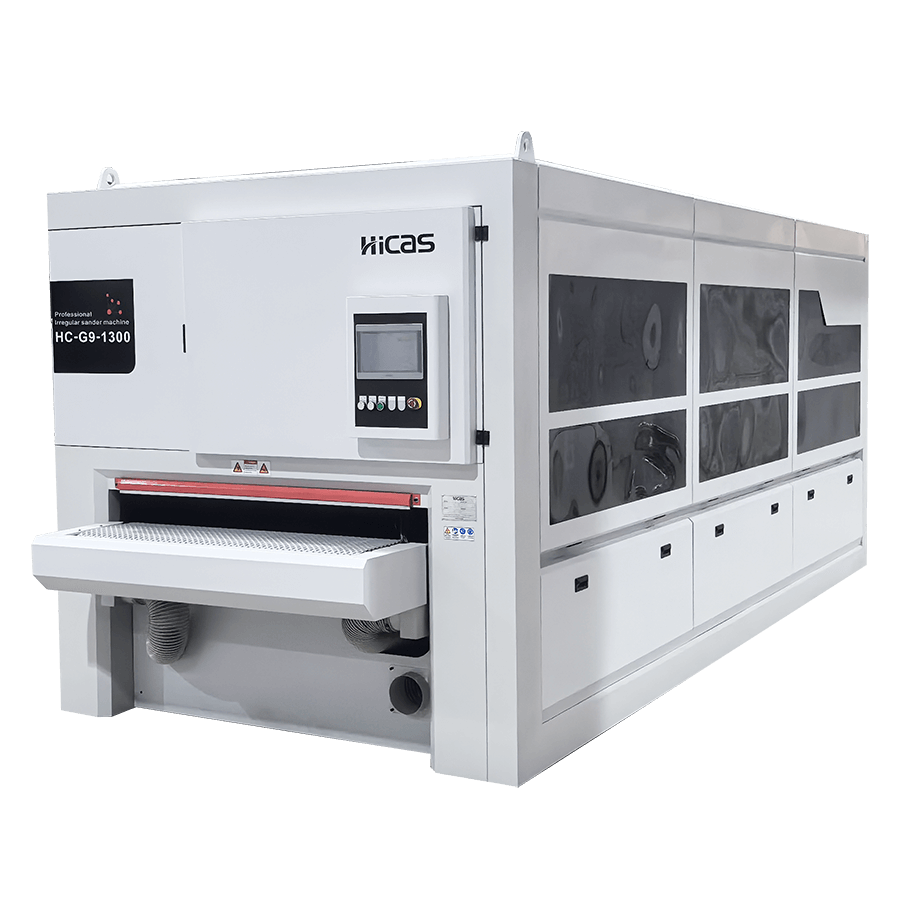
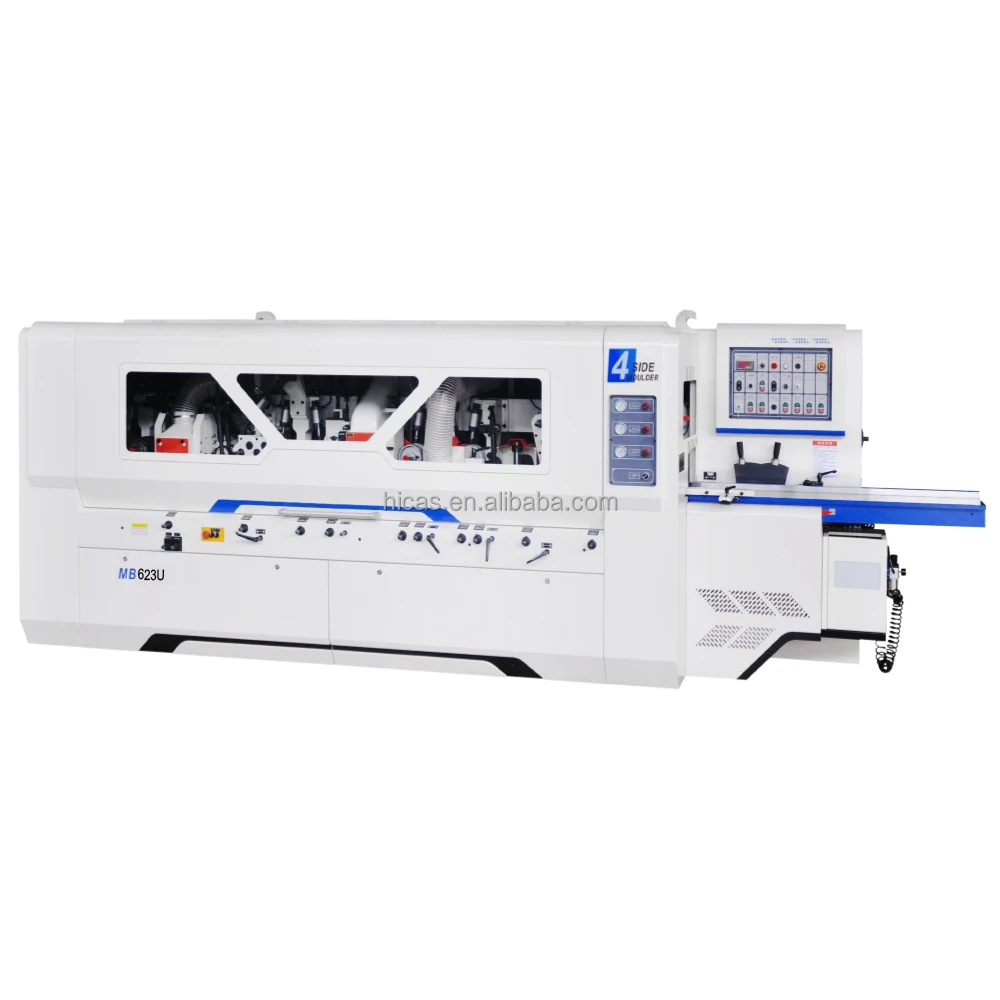
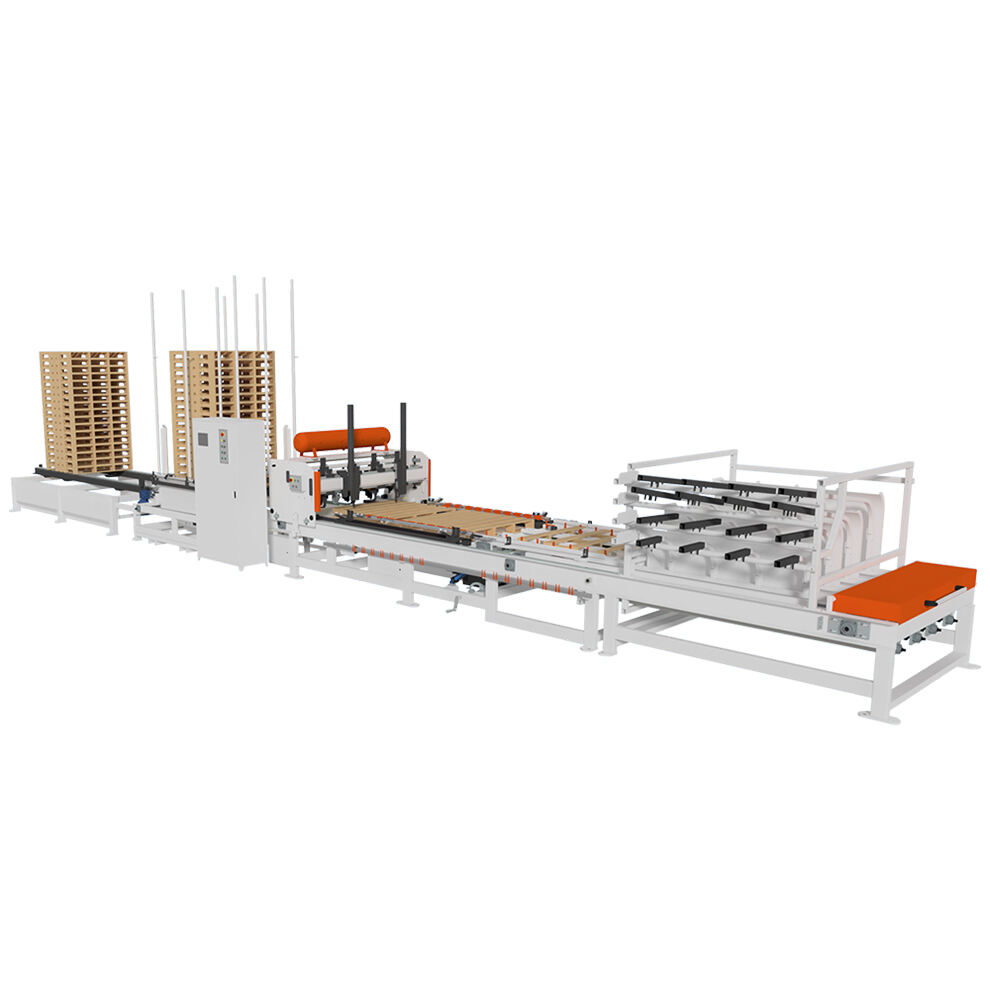
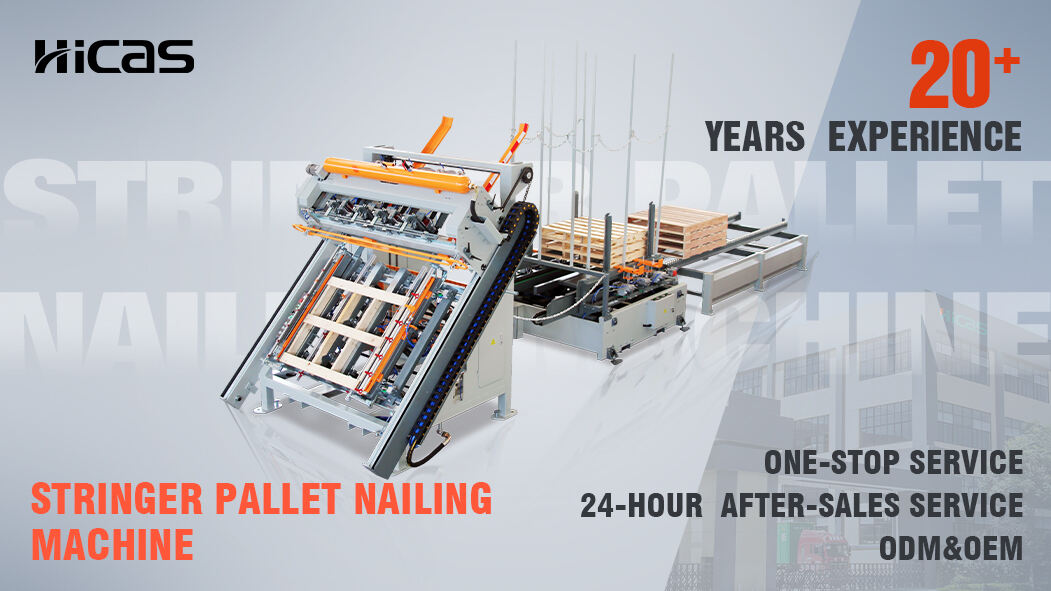
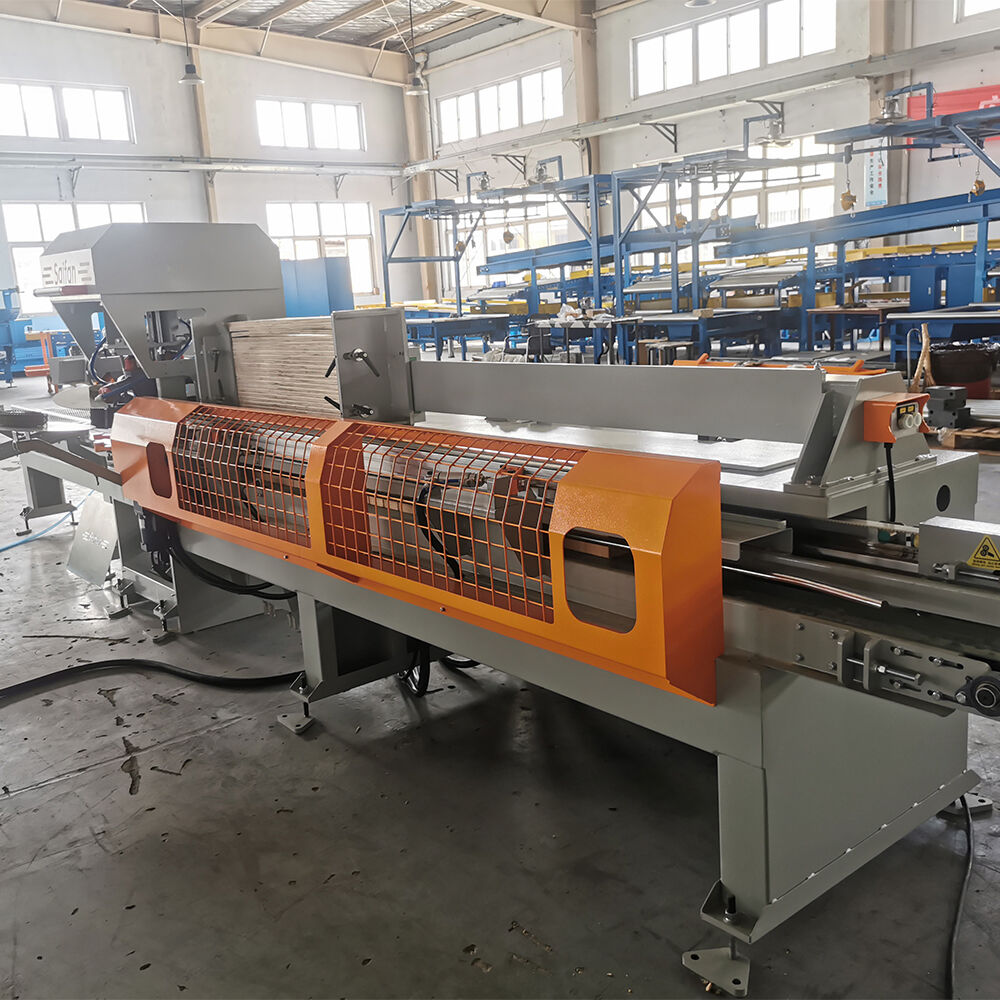
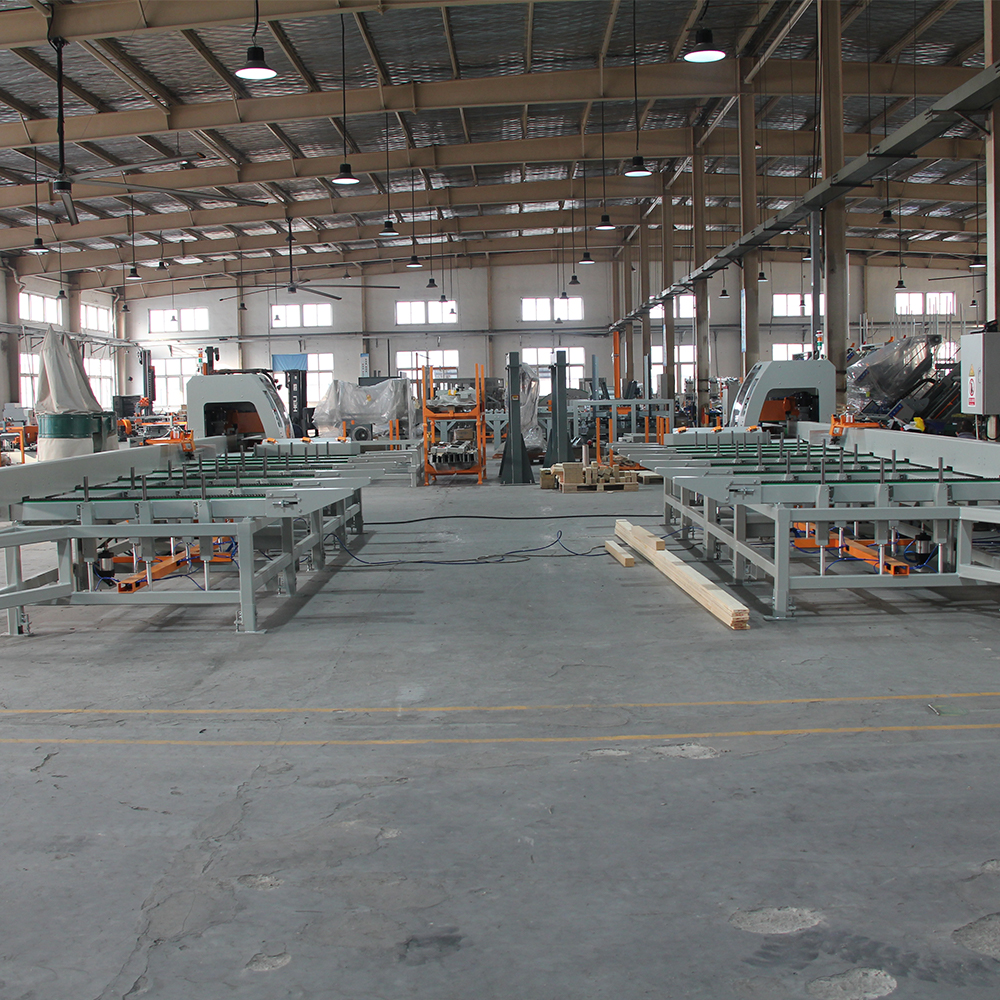
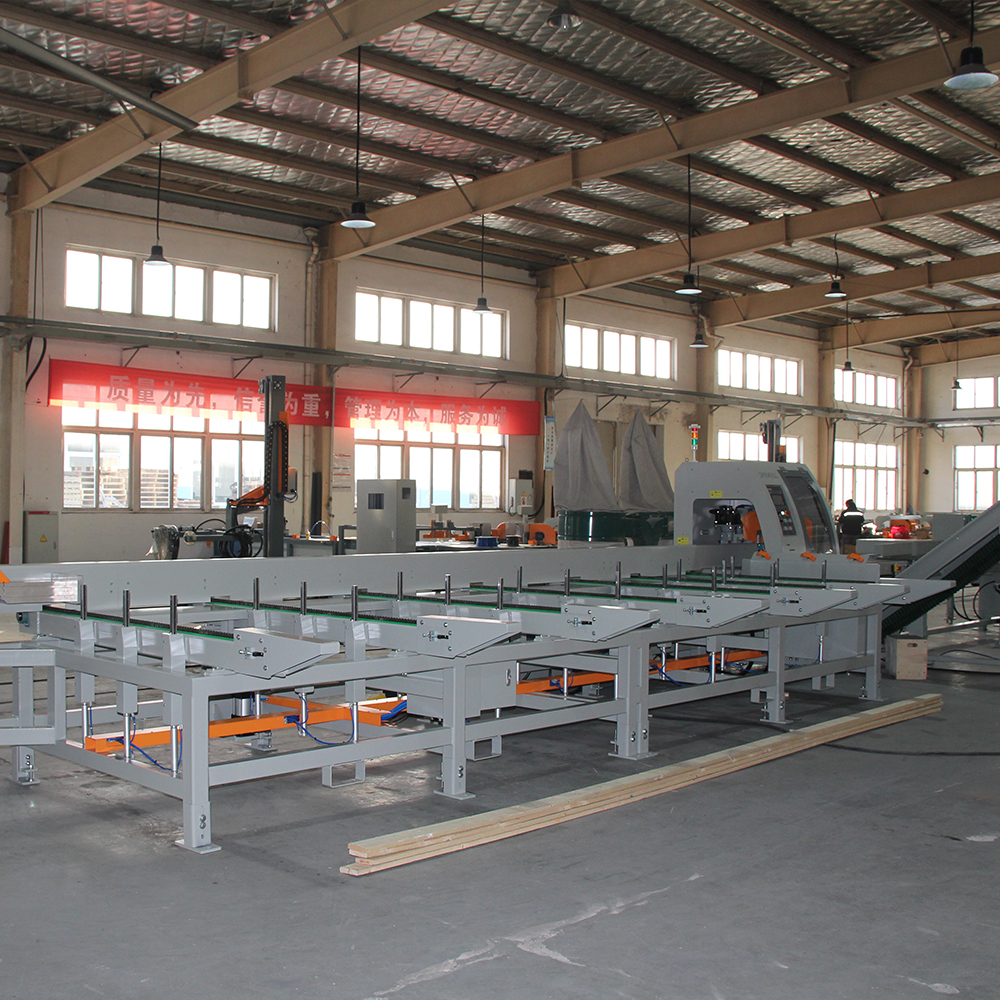
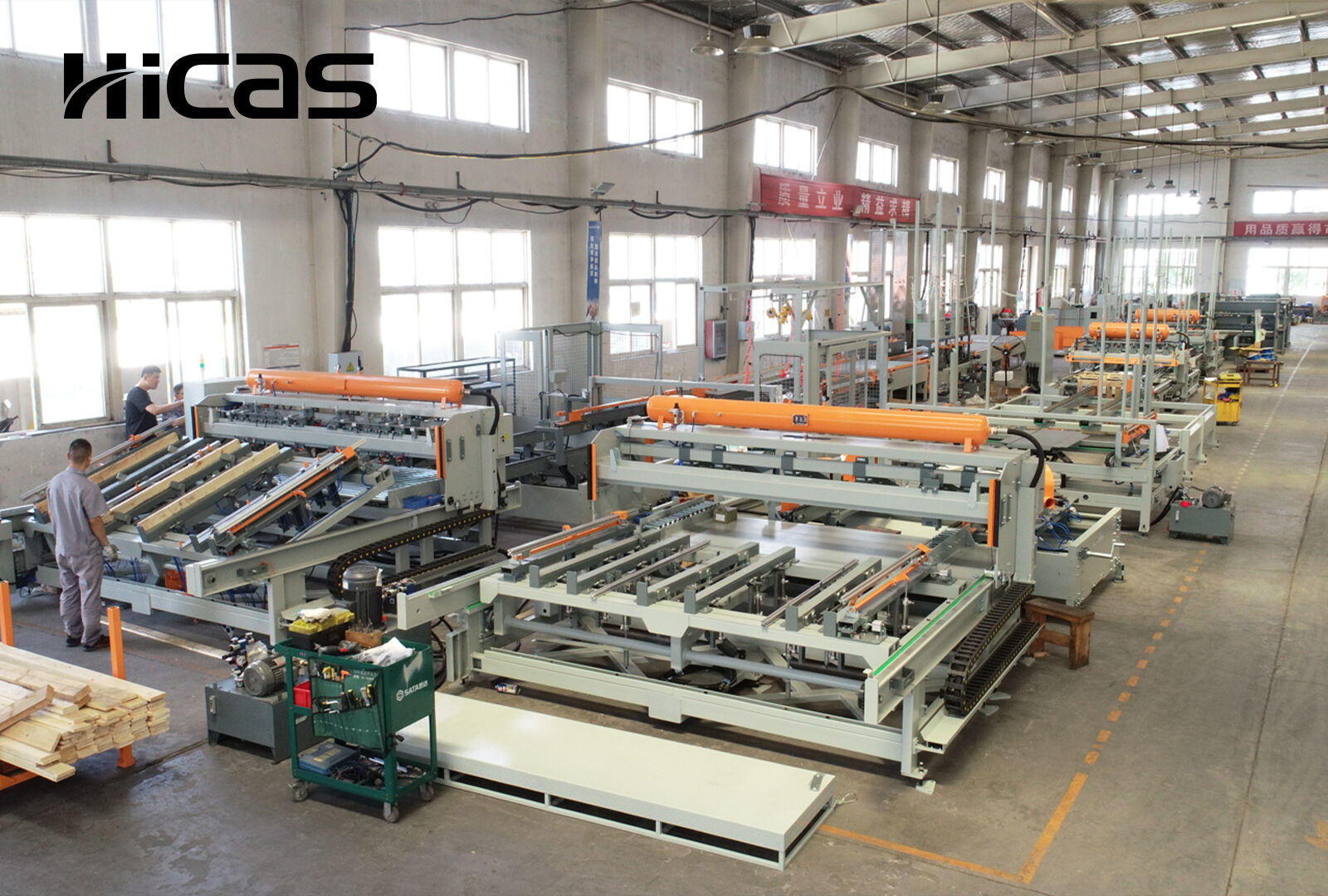
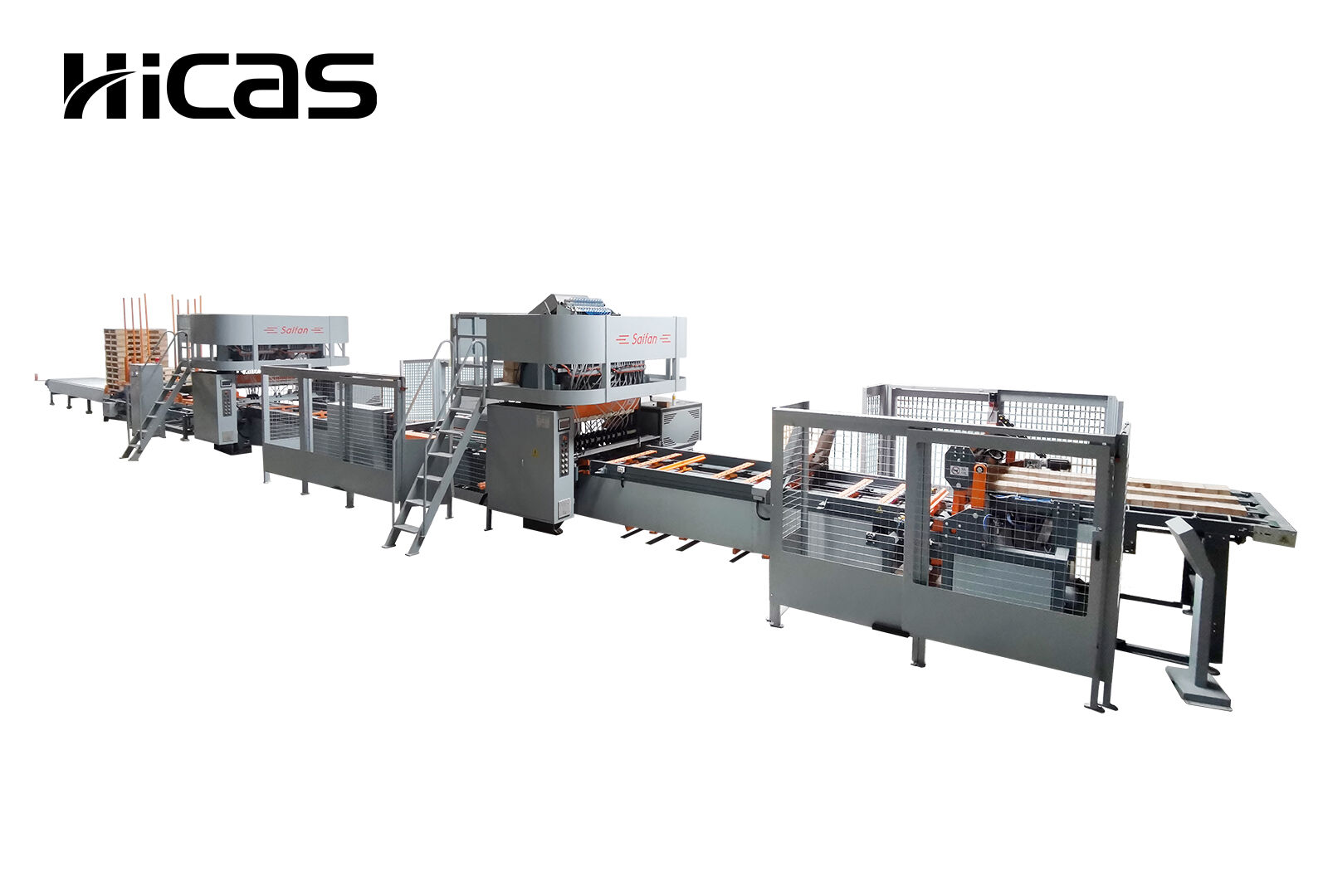
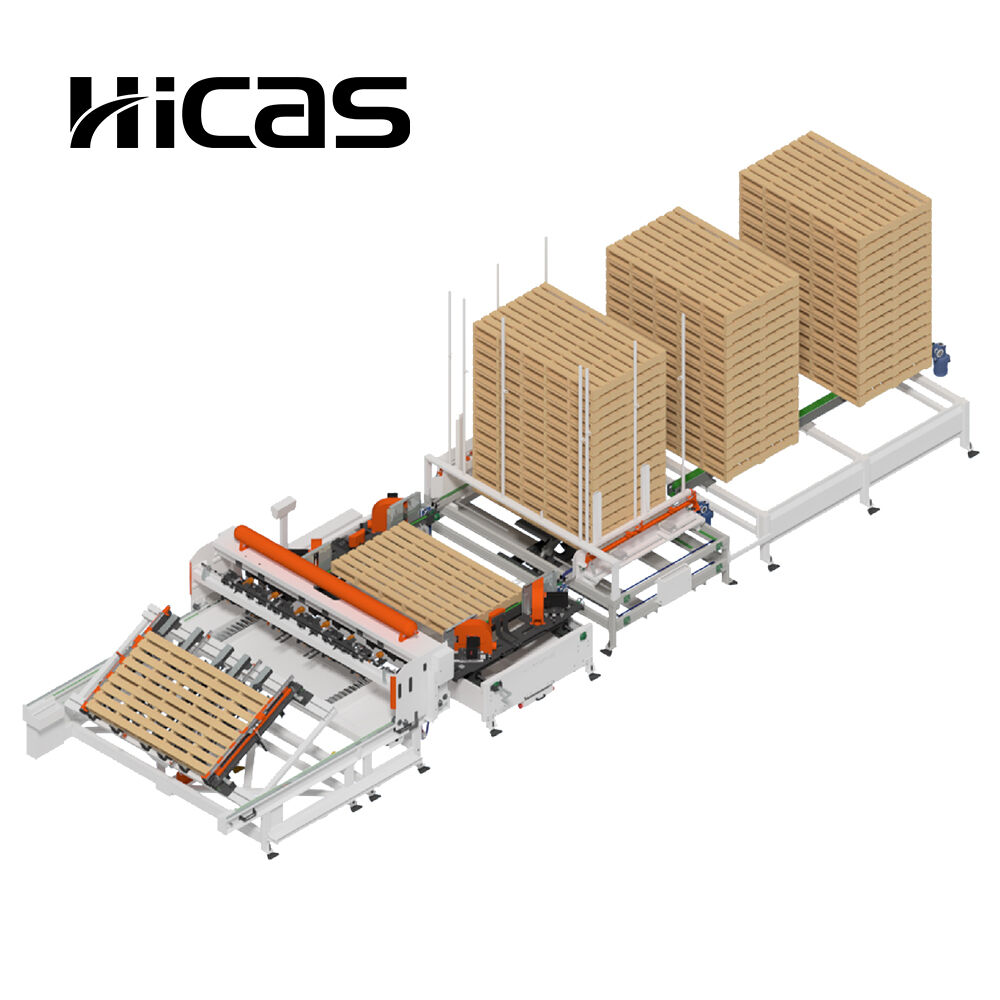
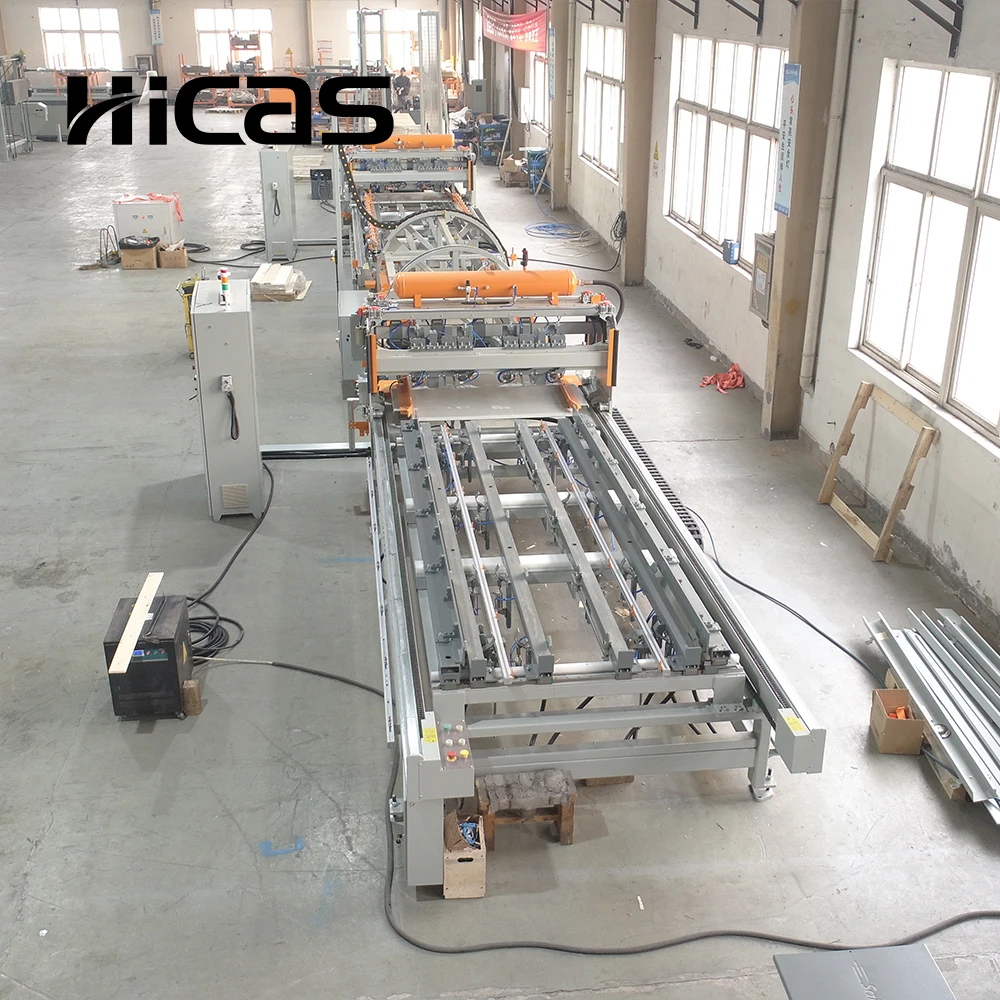
Custom pallet making equipment represents a specialized category of industrial machinery designed to manufacture pallets tailored to specific dimensional, material, and load-bearing requirements. This advanced manufacturing solution enables businesses to produce pallets that precisely match their unique operational needs, whether for standard shipping applications or specialized handling scenarios. The equipment encompasses a range of automated and semi-automated systems including cutting stations, assembly lines, nailing machines, and notching devices that work together to transform raw lumber or alternative materials into finished pallets. Modern custom pallet making equipment incorporates precision control systems, adjustable tooling, and programmable settings that allow manufacturers to switch between different pallet designs with minimal downtime. These machines handle various materials including hardwood, softwood, recycled lumber, and composite materials, providing flexibility in production choices. The technological features of custom pallet making equipment include automated feeding mechanisms, computer-controlled cutting accuracy, pneumatic or hydraulic fastening systems, and integrated quality control sensors. Applications span across warehousing operations, logistics companies, manufacturing facilities, and specialized industries requiring non-standard pallet configurations. The equipment streamlines production workflows, reduces manual labor requirements, and ensures consistent quality across every unit produced. From small-scale operations producing several hundred pallets daily to large industrial facilities with high-volume output demands, custom pallet making equipment scales to meet diverse production capacities while maintaining precision and reliability throughout the manufacturing process.

New Product Recommendations

Investing in custom pallet making equipment delivers significant operational and financial benefits that directly impact your bottom line. The primary advantage lies in production flexibility, allowing you to manufacture pallets in any size, configuration, or design specification without relying on external suppliers or maintaining expensive inventory of pre-made options. This adaptability means you can respond quickly to customer requests, accommodate unusual product dimensions, and capture specialized market segments that standard pallet suppliers cannot serve efficiently. Cost savings accumulate rapidly through reduced material waste, as the equipment optimizes cutting patterns and utilizes lumber more efficiently than manual processes. You gain complete control over production schedules, eliminating delays associated with ordering from third-party manufacturers and ensuring pallets are available exactly when needed. Quality consistency improves dramatically because automated systems maintain precise measurements and uniform construction standards across every pallet produced, reducing product damage during shipping and storage. The equipment empowers you to select materials based on cost-effectiveness and availability rather than being locked into supplier choices, providing procurement flexibility that stabilizes expenses even during market fluctuations. Labor efficiency increases substantially as automated systems perform repetitive tasks faster and more accurately than manual methods, allowing your workforce to focus on oversight and value-added activities. Custom pallet making equipment also opens revenue opportunities by enabling you to offer pallet manufacturing as a service to other businesses, transforming production capacity into a profit center. The machinery typically features durable construction designed for continuous operation, delivering reliable performance that minimizes maintenance costs and maximizes productive uptime. Environmental benefits include the ability to incorporate recycled materials and optimize resource utilization, supporting sustainability initiatives while reducing raw material expenses.

Practical Tips

Production Capacity Planning for Wooden Pallet Making Machines

28

Feb

Production Capacity Planning for Wooden Pallet Making Machines

Core Capacity Concepts for Wooden Pallet Making MachinesDesign, Effective, and Actual Capacity in Pallet ManufacturingCapacity planning begins with understanding three critical concepts:Design capacity: The theoretical maximum output of machinery und...
View More
The basic operation of the SF9020 slab connection machine equipment

04

Jun

The basic operation of the SF9020 slab connection machine equipment

I. Operating Precautions This is a high-performance and advanced equipment. Before operating it, you must carefully read the equipment manual to operate and maintain it properly in various working environments, ensuring maximum safety. Ensure that th...
View More
SF 7013S Automatic Double-Head Slotting Machine - Basic Operation and Equipment Maintenance and Lubrication

18

Jun

SF 7013S Automatic Double-Head Slotting Machine - Basic Operation and Equipment Maintenance and Lubrication

I. Operating Precautions 1. Ensure that the equipment is connected to the ground wire. 2. Personal belongings can cause serious injuries. Before starting the machine, place watches, bracelets, etc. properly, fasten the cuffs, tie up long hair, r...
View More
Common Faults and Troubleshooting Methods for the SF9026 Nail-Drilling Production Line

18

Jun

Common Faults and Troubleshooting Methods for the SF9026 Nail-Drilling Production Line

1.Position deviation of the nail placement A: The nail placement is not at the center of the crossbeam - adjust the position of the nail gun B: The nails are overall off-center - adjust the "probe offset" value in the nail placement parameters ...
View More

Get a Free Quote

Our representative will contact you soon.
Email
Mobile
Name
Company Name
Message
0/1000

custom pallet making equipment

Precision Engineering for Perfect Specifications

Precision Engineering for Perfect Specifications

Custom pallet making equipment delivers exceptional dimensional accuracy through advanced engineering systems that ensure every pallet meets exact specifications. The machinery incorporates computer-controlled positioning systems that adjust cutting blades, drilling points, and fastening locations to tolerances measured in millimeters, guaranteeing consistency across production runs. This precision matters significantly when pallets must fit automated handling systems, robotic storage facilities, or standardized racking configurations where even minor dimensional variations cause operational disruptions. The equipment allows you to program multiple pallet designs into memory, switching between configurations through simple control panel adjustments without time-consuming manual recalibration. Precision extends beyond dimensions to include consistent board spacing, uniform fastener placement, and standardized load-bearing characteristics that ensure pallets perform reliably under specified weight capacities. This engineering excellence eliminates the quality variations common with manual construction methods, reducing rejection rates and ensuring every pallet leaving your facility meets professional standards. The ability to maintain such precision while operating at production speeds significantly faster than hand assembly creates a powerful competitive advantage in markets where reliability and consistency determine customer satisfaction.
Scalable Production Capacity Meets Business Growth

Scalable Production Capacity Meets Business Growth

The scalable nature of custom pallet making equipment allows your production capacity to evolve alongside business growth without requiring complete system replacement. Entry-level configurations serve startups and small operations with modest production requirements, while modular designs enable strategic capacity expansion by adding stations, increasing automation levels, or integrating auxiliary equipment as demand increases. This scalability protects your capital investment by ensuring the equipment remains relevant and productive throughout various business stages. You can begin with semi-automated systems that reduce labor while maintaining affordability, then progressively incorporate fully automated feeding, cutting, and assembly modules as production volumes justify the investment. The equipment adapts to seasonal demand fluctuations, allowing you to increase output during peak periods without quality compromise or excessive overtime costs. Scalability also encompasses material versatility, as the machinery handles different lumber grades, thicknesses, and alternative materials, enabling you to adjust product offerings based on market opportunities or material cost variations. This flexibility proves invaluable when customer requirements change or when exploring new market segments with distinct pallet specifications. The ability to scale operations efficiently minimizes financial risk while maximizing your responsiveness to market conditions and growth opportunities.
Automated Efficiency Reduces Operating Costs

Automated Efficiency Reduces Operating Costs

Automated features integrated into custom pallet making equipment dramatically reduce operating costs while increasing throughput and consistency. Automated lumber feeding systems eliminate manual handling, positioning materials precisely for cutting operations and maintaining continuous workflow that maximizes production speed. Pneumatic or hydraulic fastening systems drive nails or staples with consistent depth and placement, ensuring structural integrity while operating faster than manual nailing. Automated measurement and cutting functions reduce material waste by optimizing board utilization and minimizing errors that occur with manual measuring. These efficiency gains translate directly into lower labor costs per pallet produced, as machinery handles repetitive physical tasks while operators oversee multiple stations simultaneously. Energy-efficient motors and optimized mechanical designs minimize power consumption compared to older equipment generations, reducing utility expenses across extended production runs. The automation also enhances workplace safety by reducing worker exposure to repetitive motion injuries, blade hazards, and heavy lifting associated with manual pallet construction. Maintenance requirements remain manageable through accessible component designs and diagnostic systems that alert operators to potential issues before failures occur. The combination of reduced labor, minimized waste, lower energy consumption, and decreased injury risk creates a compelling economic case that typically delivers return on investment within predictable timeframes based on production volumes.