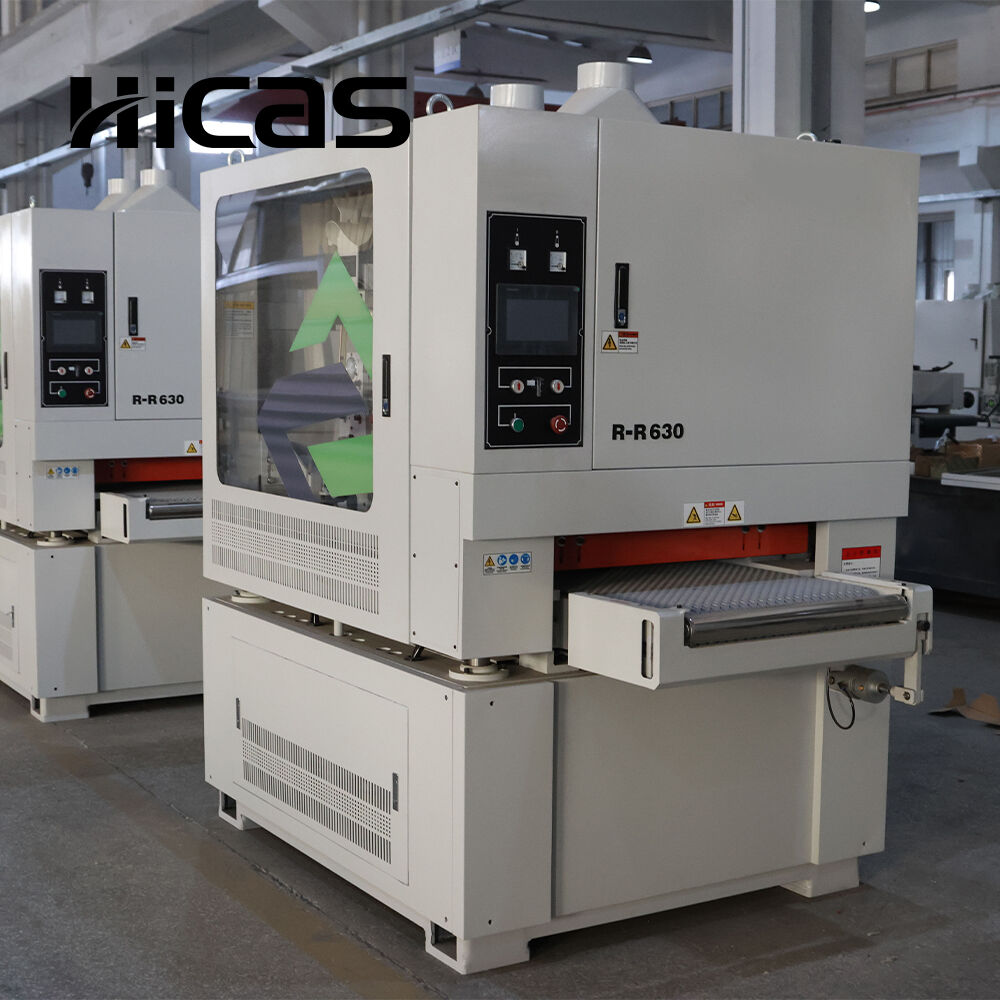
Large Belt Sanding Machine - Industrial Solutions

L
O
A
D
I
N
G

Get a Free Quote

Our representative will contact you soon.
Email
Mobile
Name
Company Name
Message
0/1000

large belt sanding machine

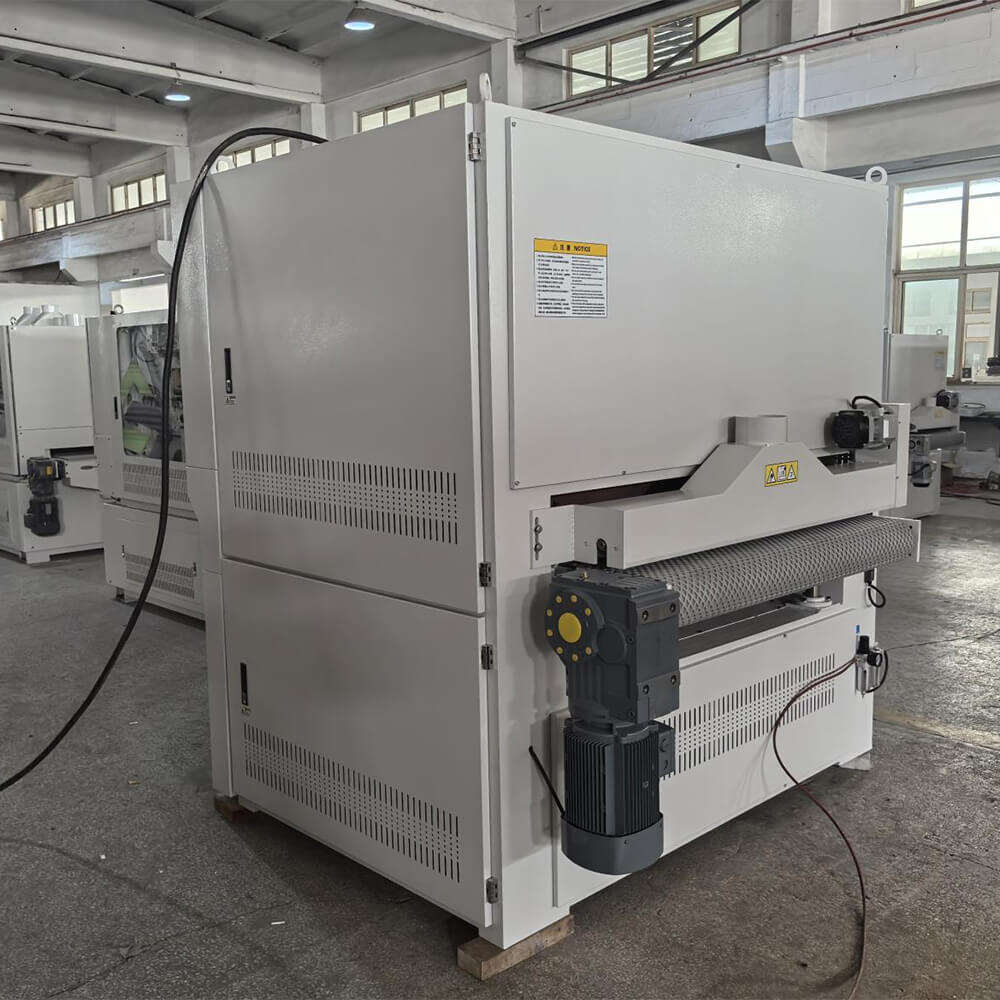
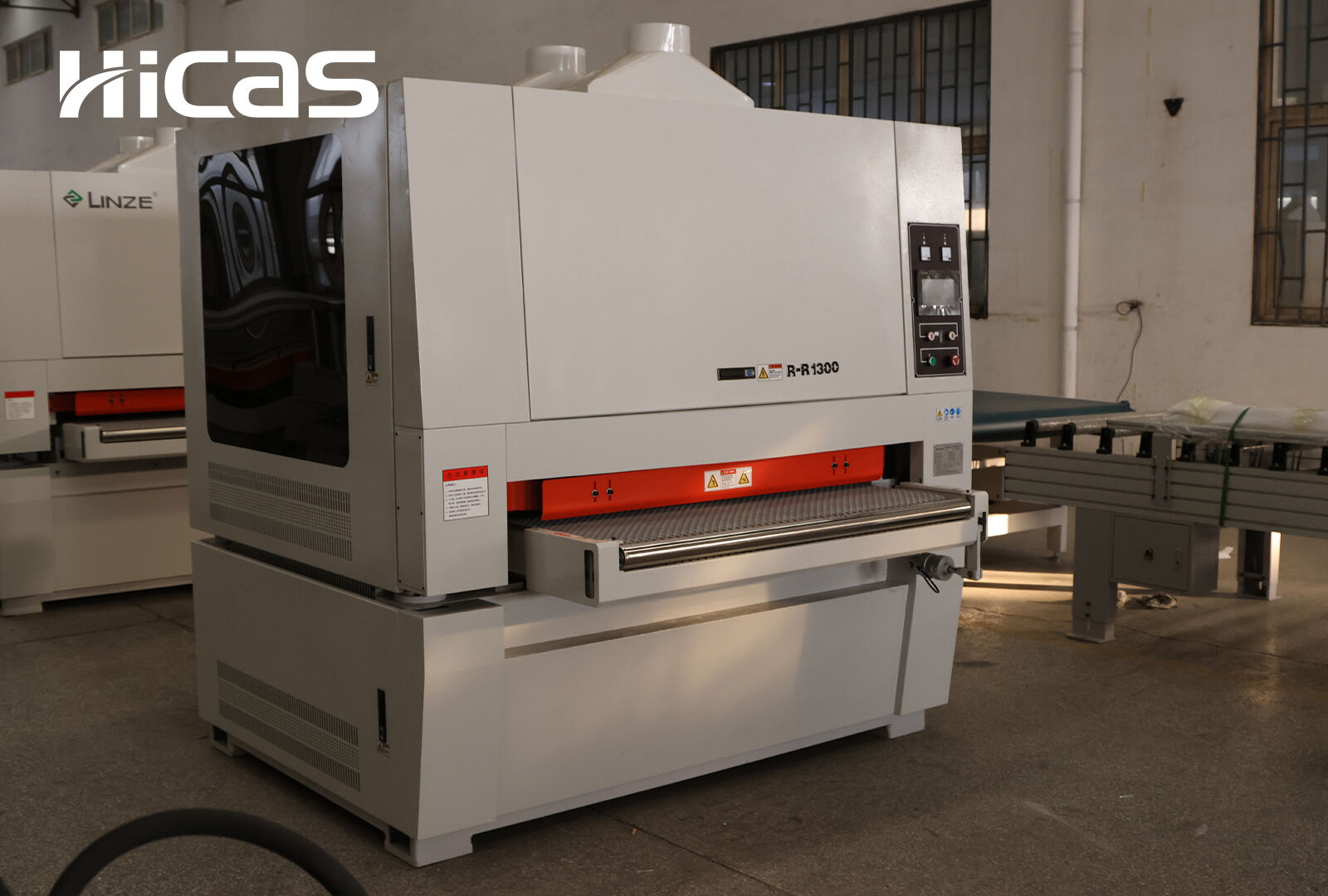
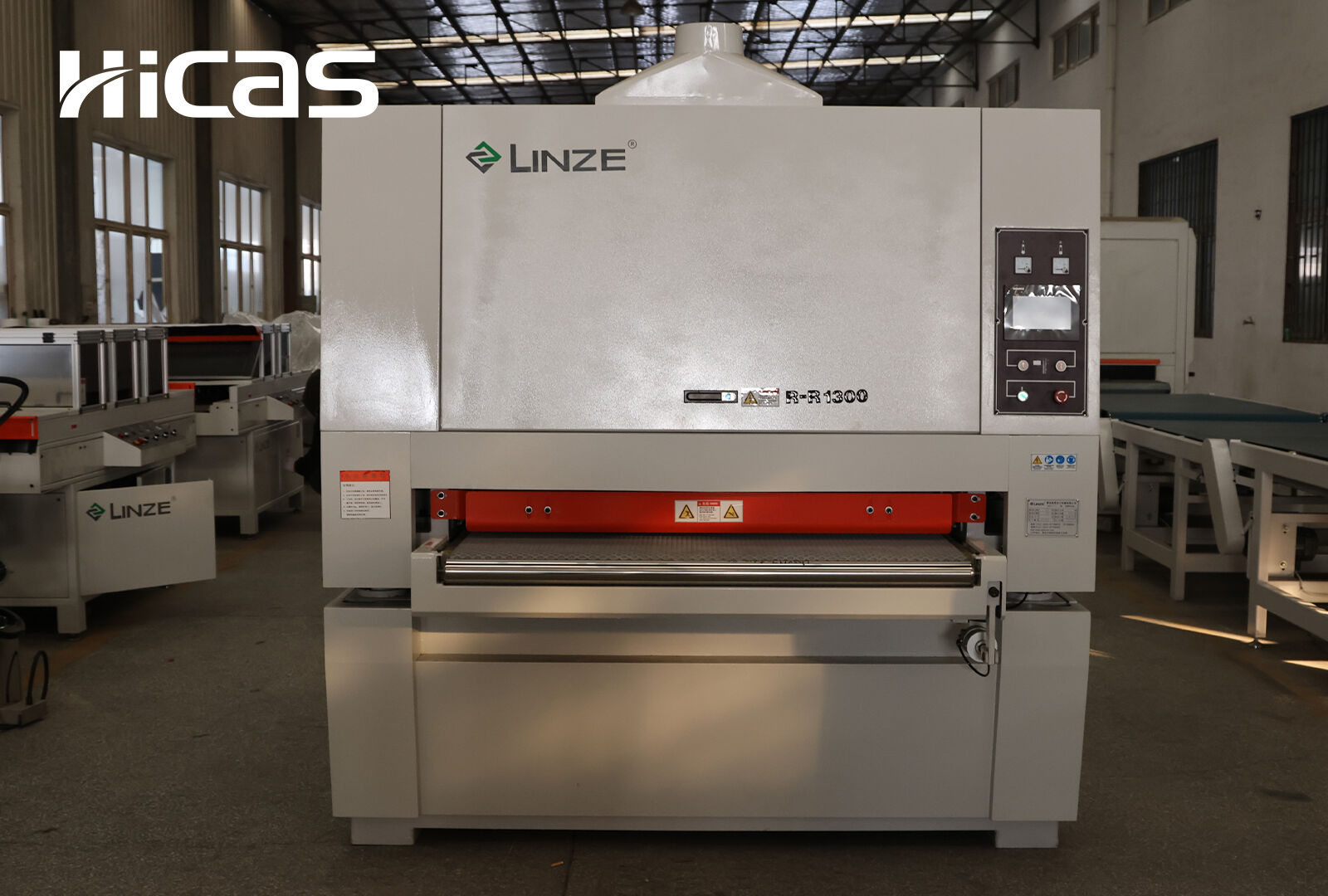
A large belt sanding machine is a powerful industrial tool designed to smooth, finish, and refine surfaces on a grand scale. This equipment features a continuous abrasive belt that rotates around two or more drums, delivering consistent material removal across wide surface areas. The large belt sanding machine operates with robust motors that drive the belt at variable speeds, allowing operators to adjust performance based on material type and finishing requirements. These machines typically accommodate belt widths ranging from 24 inches to over 60 inches, making them ideal for processing oversized workpieces. The technological features include adjustable table heights, precision tracking systems that keep belts aligned during operation, and dust collection ports that maintain clean working environments. Advanced models incorporate digital controls for speed regulation, pressure adjustment mechanisms, and safety interlocks that protect operators. The large belt sanding machine finds applications across multiple industries including woodworking, metalworking, composite manufacturing, and furniture production. Manufacturers use these machines to process door panels, tabletops, metal sheets, fiberglass components, and architectural elements. The equipment excels at removing mill marks, smoothing welded joints, deburring edges, and creating uniform surface textures. Whether preparing surfaces for coating, achieving specific finish grades, or dimensioning materials to precise thicknesses, the large belt sanding machine delivers reliable performance. Its capacity to handle high-volume production runs while maintaining consistent quality makes it an essential asset for operations requiring efficient surface preparation and finishing capabilities.

New Product Releases

Investing in a large belt sanding machine transforms your production capabilities by dramatically increasing throughput compared to manual sanding methods or smaller equipment. The wide belt coverage allows you to process entire panels or sheets in single passes, reducing handling time and labor costs significantly. You gain consistent finishing quality across all workpieces because the machine maintains uniform pressure and speed throughout operation, eliminating the variations that occur with hand sanding. The equipment saves money over time through reduced abrasive consumption, as the large belts last longer and distribute wear more evenly than smaller alternatives. Your operators experience less physical fatigue since the machine handles the demanding work, which improves workplace safety and employee satisfaction. The adjustable speed settings give you flexibility to work with different materials from soft woods to hard metals, making one machine suitable for diverse projects. Dust collection integration creates cleaner working conditions and helps you meet environmental and safety regulations without additional investment. The large belt sanding machine operates reliably for years with minimal maintenance, providing dependable performance that keeps production schedules on track. You can scale operations efficiently because these machines handle both small custom jobs and large production runs without reconfiguration. The precision controls allow you to achieve exact specifications consistently, reducing rework and material waste that cut into profit margins. For businesses processing wide materials regularly, the large belt sanding machine eliminates bottlenecks that slower methods create, enabling you to accept larger orders and grow revenue. The quick belt changes minimize downtime between different grit requirements or when replacing worn abrasives, maximizing productive hours. This equipment particularly suits operations working with panels, doors, countertops, metal fabrication, and any application requiring smooth, uniform surfaces across substantial areas.

Tips And Tricks

Applications of Wide Belt Sanders in the Metalworking Industry

18

Mar

Applications of Wide Belt Sanders in the Metalworking Industry

Wide-belt sanding technology for metals utilizes continuous sanding belts to achieve precise surface finishes in a variety of industrial applications. These automated systems maintain stable material removal rates via electric conveyor belts and ad...
View More
Automatic Wood Cutting Systems for Pallet Manufacturing: Accuracy and Speed

28

Feb

Automatic Wood Cutting Systems for Pallet Manufacturing: Accuracy and Speed

Achieving Sub-3mm Crosscut Accuracy with Automatic Wood Cutting Systems Laser Calibration and Real-Time Blade Deflection Compensation Today's automatic wood cutting machines can hit under 1.5mm accuracy on crosscuts thanks to laser calibration ...
View More
Key Advantages of Using High Speed Pallet Nailing Machines in Large Scale Production

27

Mar

Key Advantages of Using High Speed Pallet Nailing Machines in Large Scale Production

Boosting Production Efficiency with High-Speed Pallet Nailing Machines Eliminating Assembly Bottlenecks: From Manual Labor to Fully Synchronized Automation Switching from manual hammering to automated pallet nailing systems takes away those frustr...
View More
Why Integrated Coating Sanding and Painting Lines Are Critical for Modern Wood Factories

27

Mar

Why Integrated Coating Sanding and Painting Lines Are Critical for Modern Wood Factories

Boosting Throughput and Consistency with Fully Integrated Wood Coating Machines Bottleneck Elimination: How Fragmented Finishing Slows High-Mix Wood Production In wood manufacturing shops that handle lots of different products, broken up finishing...
View More

Get a Free Quote

Our representative will contact you soon.
Email
Mobile
Name
Company Name
Message
0/1000

large belt sanding machine

Superior Surface Coverage and Processing Speed

Superior Surface Coverage and Processing Speed

The defining advantage of a large belt sanding machine lies in its exceptional surface coverage that revolutionizes production efficiency. With belt widths extending up to 60 inches or more, these machines process entire workpieces in single passes that would require multiple passes on narrower equipment. This capability translates directly into faster completion times and higher daily output volumes. The continuous belt action ensures smooth, swirl-free finishes that manual methods struggle to achieve consistently. Operators can feed materials through at controlled rates while the machine maintains steady abrasive contact, creating uniform results across the entire surface. This consistency proves particularly valuable when finishing matched sets or production runs where every piece must meet identical specifications. The time savings compound significantly in high-volume operations, where reducing processing time per piece by even minutes generates substantial productivity gains. Additionally, the reduced handling requirements minimize opportunities for damage or contamination between processing stages. Businesses discover that the large belt sanding machine enables them to quote shorter lead times confidently, giving them competitive advantages in markets where delivery speed influences purchasing decisions.
Versatile Material Compatibility and Application Range

Versatile Material Compatibility and Application Range

The large belt sanding machine demonstrates remarkable versatility by accommodating an extensive range of materials and finishing requirements within a single equipment platform. From soft pine to dense hardwoods, from aluminum to stainless steel, and from plastics to composites, these machines adapt to diverse substrates through simple belt changes and speed adjustments. This flexibility eliminates the need for multiple specialized machines, reducing capital expenditure and floor space requirements. The variable speed controls allow operators to optimize performance for each material, running slower for heat-sensitive plastics and faster for aggressive stock removal on hardwoods. You can switch between coarse grits for rapid material removal and fine grits for final finishing without changing equipment, streamlining workflow and reducing setup time. The adjustable pressure systems let you apply gentle contact for delicate veneers or increase pressure for tough surface preparation tasks. This adaptability proves especially valuable for custom fabrication shops and manufacturers with diverse product lines who cannot predict every material they will process. The large belt sanding machine serves equally well for deburring metal edges, smoothing composite layups, dimensioning lumber, and refining painted surfaces, making it a true workhorse that justifies its investment across multiple revenue streams.
Enhanced Operator Safety and Ergonomic Benefits

Enhanced Operator Safety and Ergonomic Benefits

Modern large belt sanding machine designs prioritize operator wellbeing through thoughtful safety features and ergonomic considerations that reduce workplace injuries and fatigue. The enclosed belt systems shield operators from direct contact with moving abrasives while strategically placed guards prevent accidental contact with drive components. Emergency stop buttons positioned at multiple access points enable immediate shutdown if problems arise, and safety interlocks prevent operation when guards are removed for maintenance. The integrated dust collection systems protect respiratory health by capturing airborne particles at the source before they enter the breathing zone, a critical consideration given the health hazards associated with wood dust and metal particulates. Unlike handheld sanders that transmit vibration directly to operators causing cumulative strain injuries, the large belt sanding machine isolates vibration within its structural frame. The automated feed systems on many models eliminate the repetitive lifting and positioning that leads to back injuries and fatigue. Operators work at comfortable standing heights with clear visibility of the process, reducing awkward postures that cause discomfort during extended shifts. The consistent, predictable operation reduces stress compared to managing multiple handheld tools with varying performance characteristics. These safety and ergonomic advantages translate into fewer workers compensation claims, reduced absenteeism, and higher employee morale, delivering benefits that extend well beyond the immediate production metrics.