Pallet Making Business Machine Guide & Benefits

L
O
A
D
I
N
G

Get a Free Quote

Our representative will contact you soon.
Email
Mobile
Name
Company Name
Message
0/1000

pallet making business machine

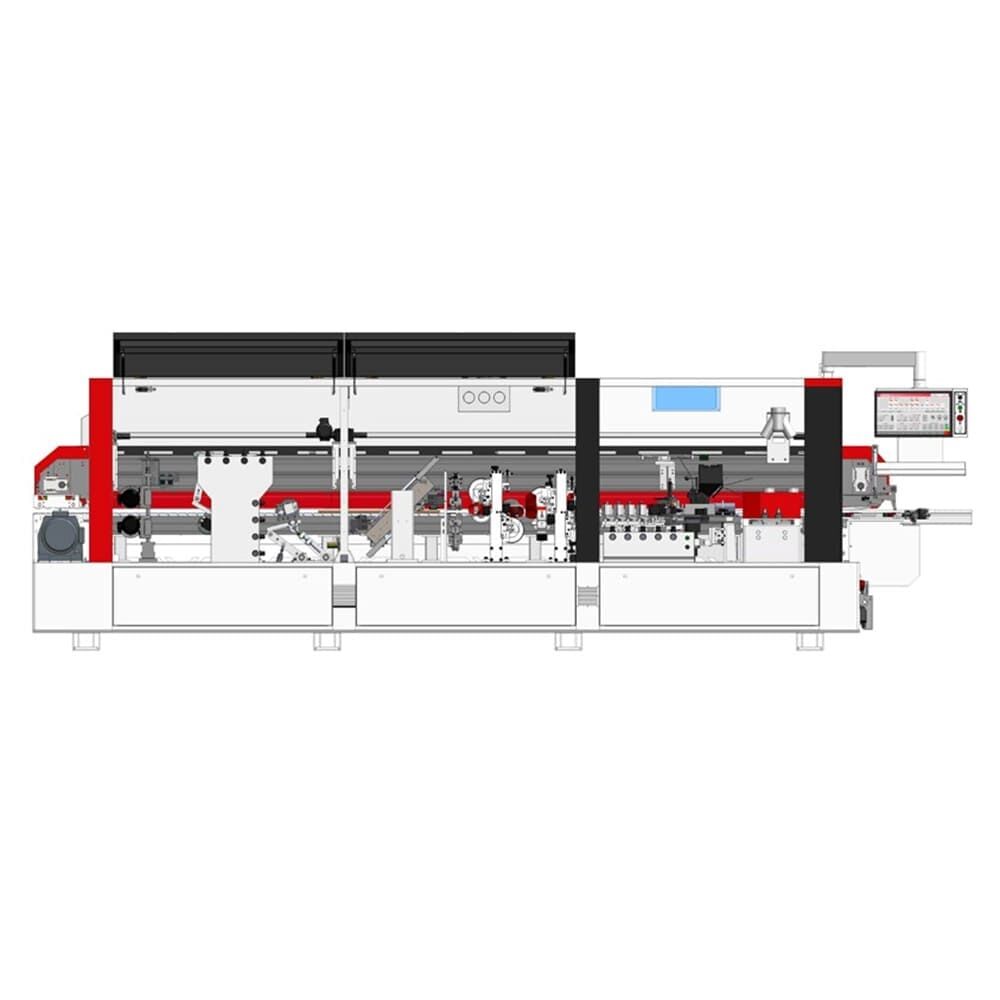
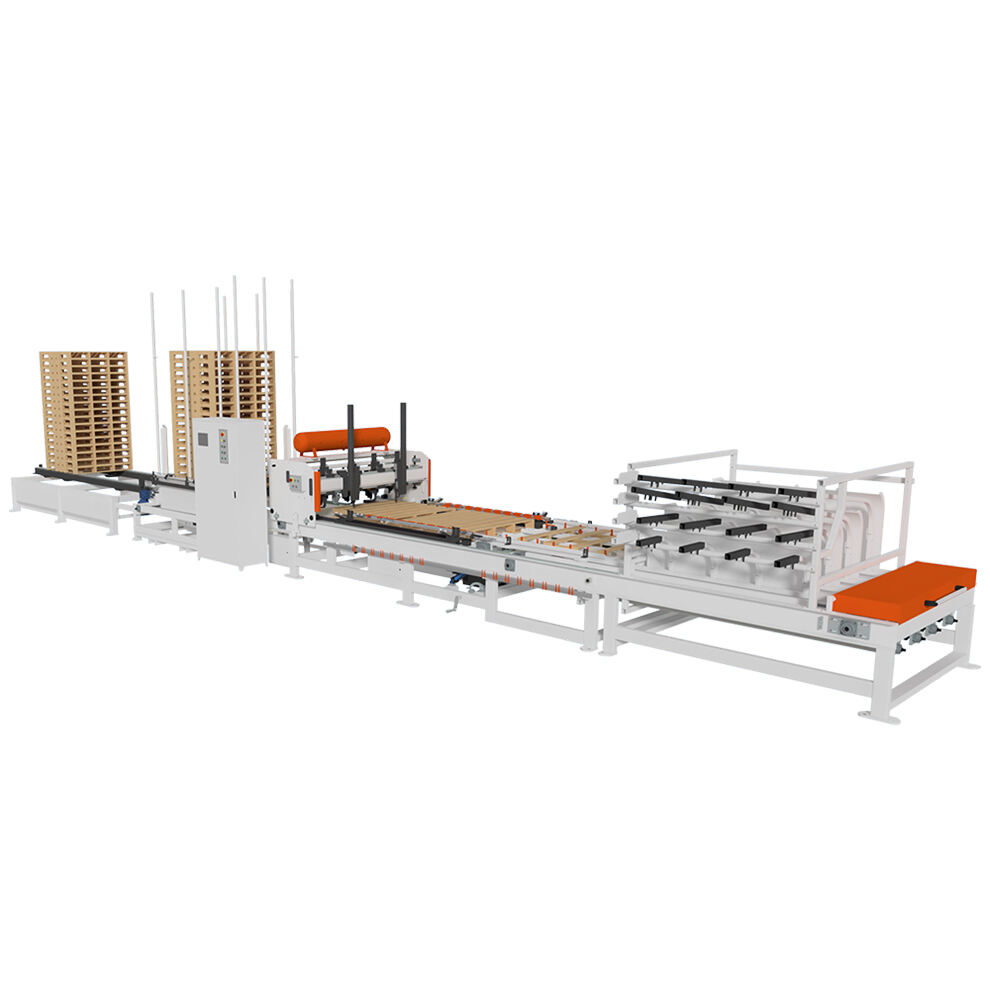
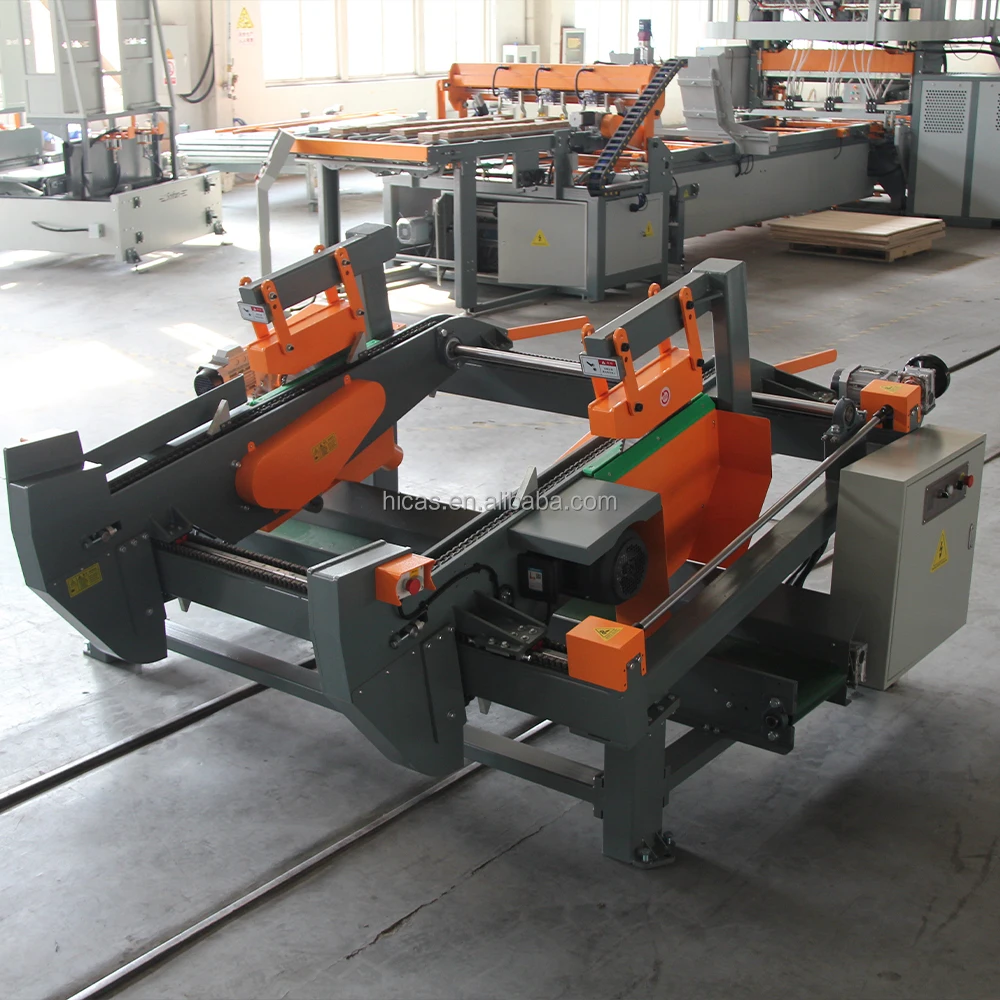
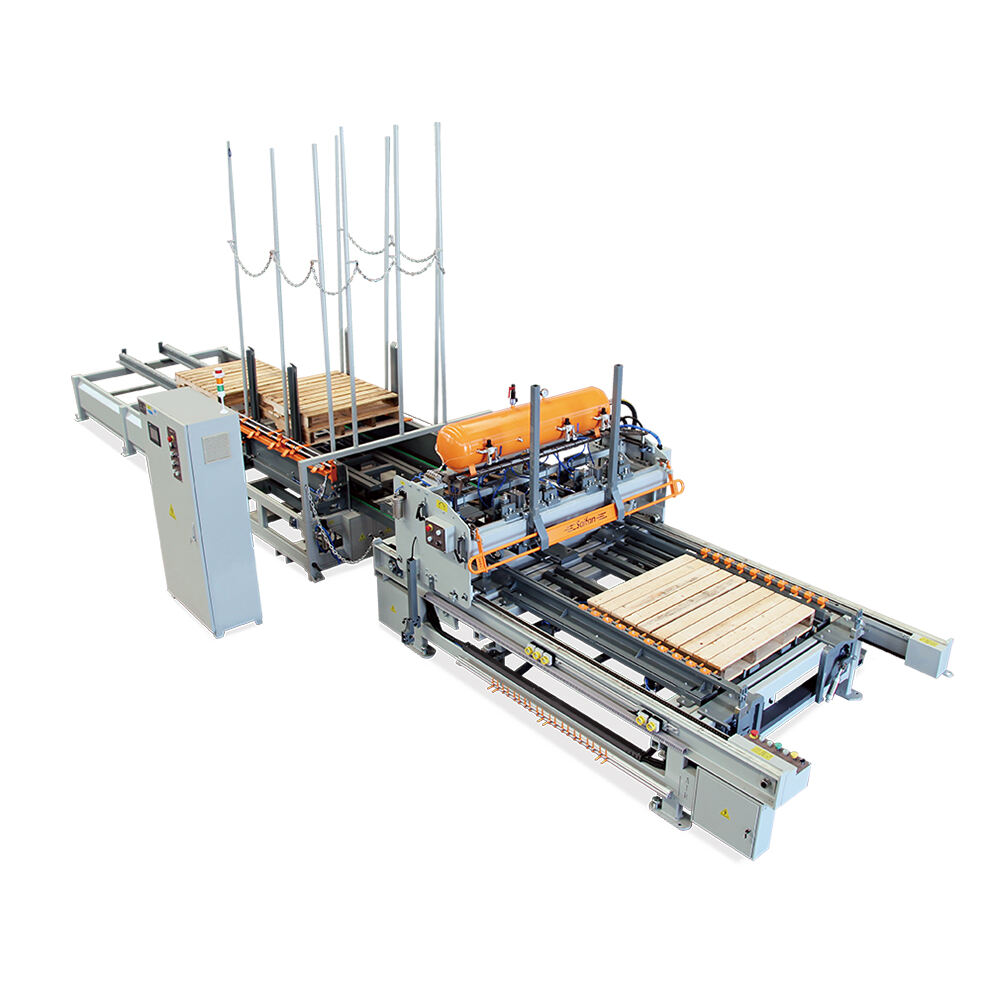
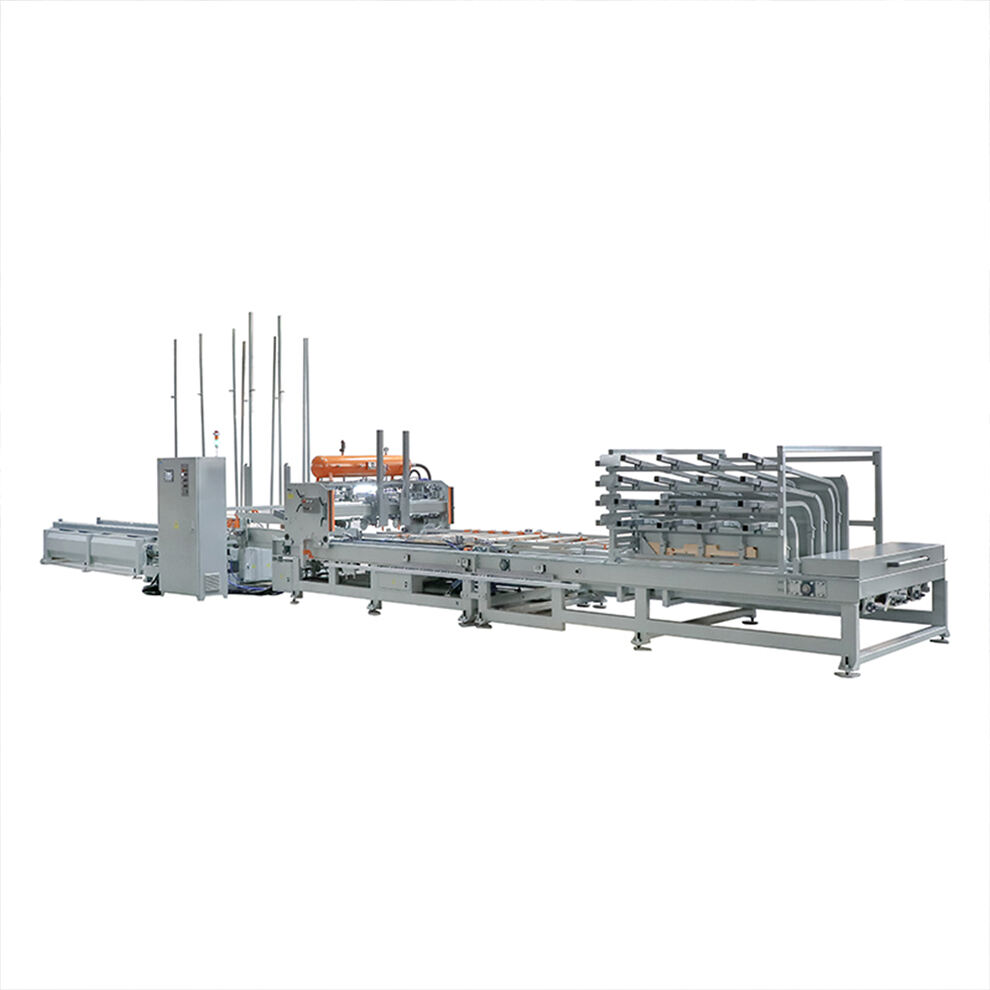
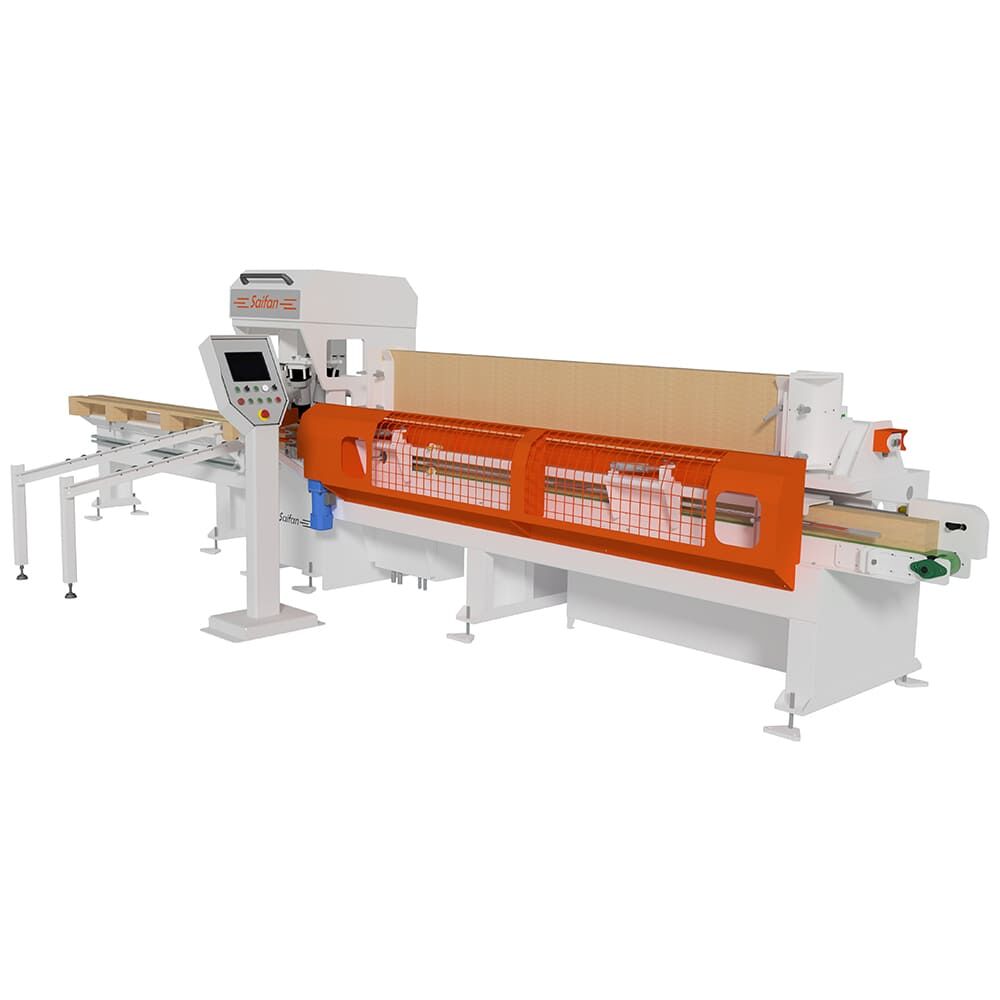
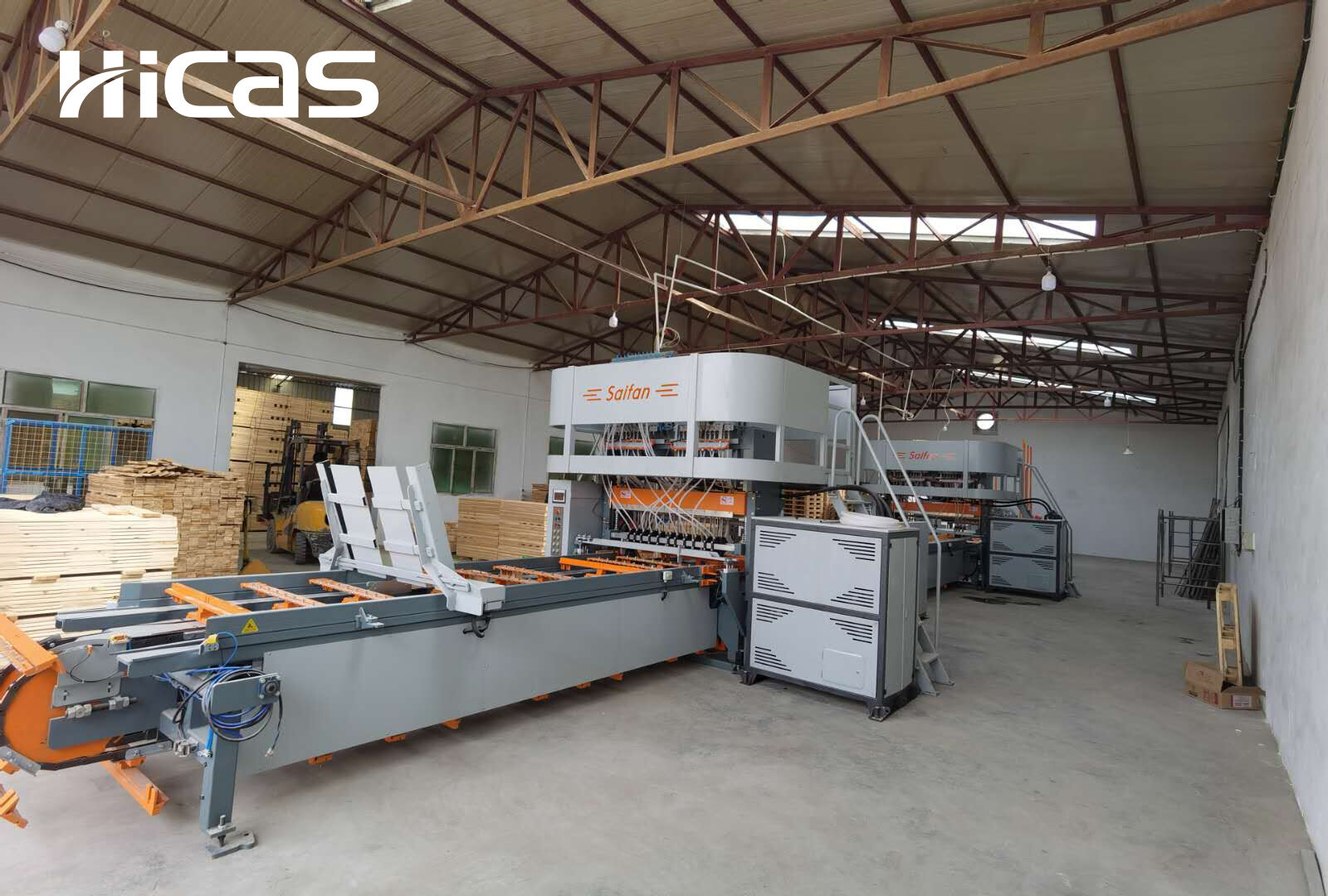
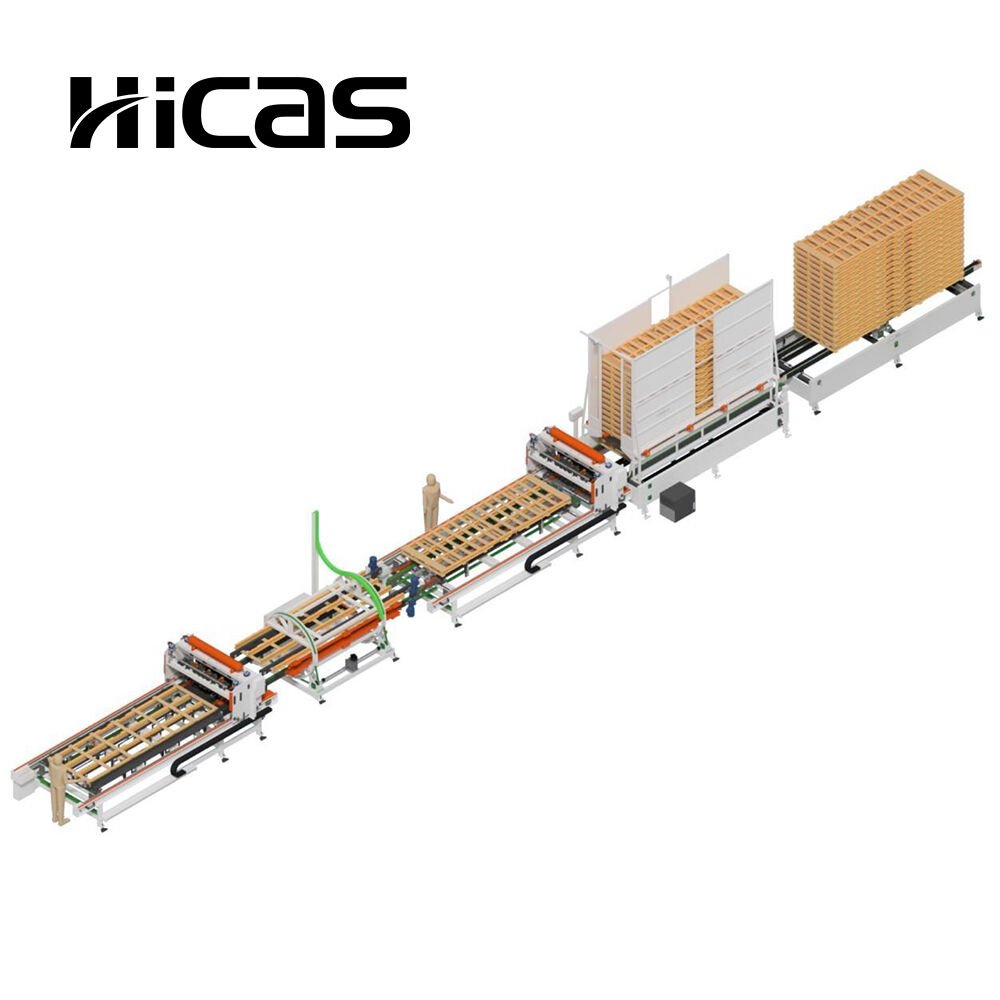
A pallet making business machine is an advanced manufacturing system designed to automate the production of wooden, plastic, or compressed wood pallets used across logistics and warehousing industries. This specialized equipment transforms raw materials into finished pallets through integrated processes including cutting, assembling, nailing, and pressing operations. Modern pallet making business machine models incorporate programmable logic controllers and precise measuring systems to ensure consistent quality and dimensional accuracy. The machine typically features multiple workstations that handle different production stages simultaneously, significantly increasing output compared to manual methods. These systems can produce various pallet types, from standard four-way entry designs to customized configurations meeting specific industry requirements. The pallet making business machine operates with minimal human intervention, requiring only material loading and quality monitoring. Advanced models include automated feeding mechanisms, pneumatic nail guns, and hydraulic pressing units that work in synchronized coordination. The equipment accommodates different material thicknesses and pallet dimensions through adjustable settings, providing manufacturers with production flexibility. Safety features such as emergency stop buttons, protective guards, and sensor systems ensure operator protection during operation. By streamlining the manufacturing process, a pallet making business machine enables businesses to meet growing market demand while maintaining competitive pricing and consistent product standards throughout high-volume production runs.

Popular Products

Investing in a pallet making business machine delivers substantial cost savings by reducing labor requirements and minimizing material waste through precise cutting and assembly processes. The automated production eliminates human error, ensuring every pallet meets exact specifications and quality standards that satisfy customer expectations and regulatory compliance. Production speed increases dramatically compared to manual methods, with modern machines capable of producing hundreds of pallets per shift, allowing businesses to fulfill large orders quickly and capture more market opportunities. The consistent output quality builds customer trust and reduces rejection rates, strengthening business reputation and encouraging repeat orders. Energy-efficient designs lower operational costs while environmentally conscious features help businesses meet sustainability goals that increasingly influence purchasing decisions. The pallet making business machine requires minimal floor space relative to its output capacity, making it suitable for facilities of various sizes without extensive facility modifications. Maintenance requirements remain straightforward with accessible components and diagnostic systems that identify issues before they cause production delays. Operators need only basic training to run the equipment effectively, reducing hiring challenges and training costs. The machine's versatility allows manufacturers to diversify their product range, producing different pallet sizes and styles to serve multiple industries from food distribution to pharmaceutical logistics. Quick changeover capabilities enable businesses to switch between production runs efficiently, accommodating both large standardized orders and smaller custom projects. Return on investment typically occurs within two to three years as production efficiencies, reduced waste, and lower labor costs accumulate. The durability of quality pallet making business machine models ensures years of reliable service with proper maintenance, protecting the initial investment and supporting long-term business growth in the expanding logistics sector.

Tips And Tricks

How Pallet Stacking Systems Improve Warehouse Efficiency in Pallet Factories

28

Feb

How Pallet Stacking Systems Improve Warehouse Efficiency in Pallet Factories

Maximizing Vertical Space with Pallet Stacking Systems Overcoming Floor-Based Storage Limitations Through Height-Optimized Racking Most warehouses end up wasting around two thirds of their total space when they rely on traditional floor storage metho...
View More
The Role of Conveyor Automation in Wooden Pallet Production Lines

28

Feb

The Role of Conveyor Automation in Wooden Pallet Production Lines

Why Conveyor Automation Is Essential for Modern Wooden Pallet Production LinesConveyor automation gets rid of those pesky manual handling bottlenecks that cause roughly 18% of all delays when making wooden pallets. Traditional approaches just can&apo...
View More
Key Advantages of Using High Speed Pallet Nailing Machines in Large Scale Production

27

Mar

Key Advantages of Using High Speed Pallet Nailing Machines in Large Scale Production

Boosting Production Efficiency with High-Speed Pallet Nailing Machines Eliminating Assembly Bottlenecks: From Manual Labor to Fully Synchronized Automation Switching from manual hammering to automated pallet nailing systems takes away those frustr...
View More
SF 7013S Automatic Double-Head Slotting Machine - Basic Operation and Equipment Maintenance and Lubrication

18

Jun

SF 7013S Automatic Double-Head Slotting Machine - Basic Operation and Equipment Maintenance and Lubrication

I. Operating Precautions 1. Ensure that the equipment is connected to the ground wire. 2. Personal belongings can cause serious injuries. Before starting the machine, place watches, bracelets, etc. properly, fasten the cuffs, tie up long hair, r...
View More

Get a Free Quote

Our representative will contact you soon.
Email
Mobile
Name
Company Name
Message
0/1000

pallet making business machine

Automated Production Efficiency

Automated Production Efficiency

The pallet making business machine revolutionizes manufacturing throughput by automating every stage of pallet construction from initial material preparation to final assembly. Traditional manual production methods require multiple workers handling separate tasks, creating bottlenecks and inconsistencies that limit daily output. This advanced machinery integrates cutting saws, positioning systems, nailing units, and pressing mechanisms into one coordinated workflow that operates continuously with minimal supervision. The automated feeding system delivers materials to each workstation at precisely timed intervals, eliminating idle time between production cycles. Pneumatic and hydraulic components execute repetitive tasks with consistent force and accuracy that human workers cannot match over extended shifts. This automation translates directly into production capacity increases of three to five times compared to manual operations, enabling businesses to accept larger contracts and expand market presence. The reduced cycle time per pallet lowers per-unit production costs significantly, improving profit margins while maintaining competitive pricing. Businesses can operate extended production hours without fatigue-related quality decline, maximizing equipment utilization and accelerating order fulfillment to meet tight delivery schedules that strengthen customer relationships and generate competitive advantages in demanding logistics markets.
Precision Engineering and Quality Control

Precision Engineering and Quality Control

The pallet making business machine incorporates sophisticated measurement systems and computer-controlled operations that guarantee dimensional accuracy and structural integrity across every unit produced. Built-in sensors continuously monitor material positioning, ensuring boards align perfectly before fastening occurs, eliminating the misalignment issues common in manual assembly. Programmable settings allow operators to input exact specifications for different pallet designs, and the machine replicates these dimensions with millimeter precision throughout production runs. This consistency proves crucial for automated warehouse systems and robotic handling equipment that require standardized pallet dimensions to function properly. The controlled nailing patterns distribute fasteners at optimal locations and depths, creating joints that withstand the stresses of loading, stacking, and transportation without premature failure. Quality control becomes simpler as the standardized output reduces inspection time and virtually eliminates defective products that damage customer relationships and generate costly returns. The precision construction also optimizes material usage by minimizing excess trimming and reducing scrap rates that erode profitability. Customers recognize the superior quality of machine-made pallets through their uniform appearance and reliable performance, establishing brand reputation that commands premium pricing and builds lasting business partnerships in industries where logistics reliability directly impacts operational success.
Versatile Material and Design Compatibility

Versatile Material and Design Compatibility

Modern pallet making business machine systems accommodate diverse raw materials including hardwood, softwood, recycled wood composites, and engineered wood products, providing manufacturers with sourcing flexibility that protects against supply chain disruptions and price fluctuations. The adjustable components handle varying board thicknesses and widths without requiring extensive reconfiguration, allowing rapid transitions between different pallet specifications as order requirements change. This versatility enables businesses to serve multiple market segments from lightweight retail pallets to heavy-duty industrial models rated for multi-ton loads. Programmable control systems store dozens of pallet design configurations that operators can recall instantly, eliminating setup time and allowing economical production of smaller custom orders that manual operations cannot handle profitably. The machine processes both new lumber and reclaimed materials, supporting environmentally responsible manufacturing practices that appeal to sustainability-focused customers and help businesses meet corporate responsibility objectives. Some advanced models include optional modules for block pallet production, stringer pallet assembly, and specialty designs with reinforced corners or perimeter bases. This adaptability future-proofs the investment as market preferences evolve and new pallet standards emerge, ensuring the pallet making business machine remains productive and relevant throughout its operational lifespan while maximizing return on investment.