Roller Coating Line Systems for Industrial Use

L
O
A
D
I
N
G

Get a Free Quote

Our representative will contact you soon.
Email
Mobile
Name
Company Name
Message
0/1000

roller coating line

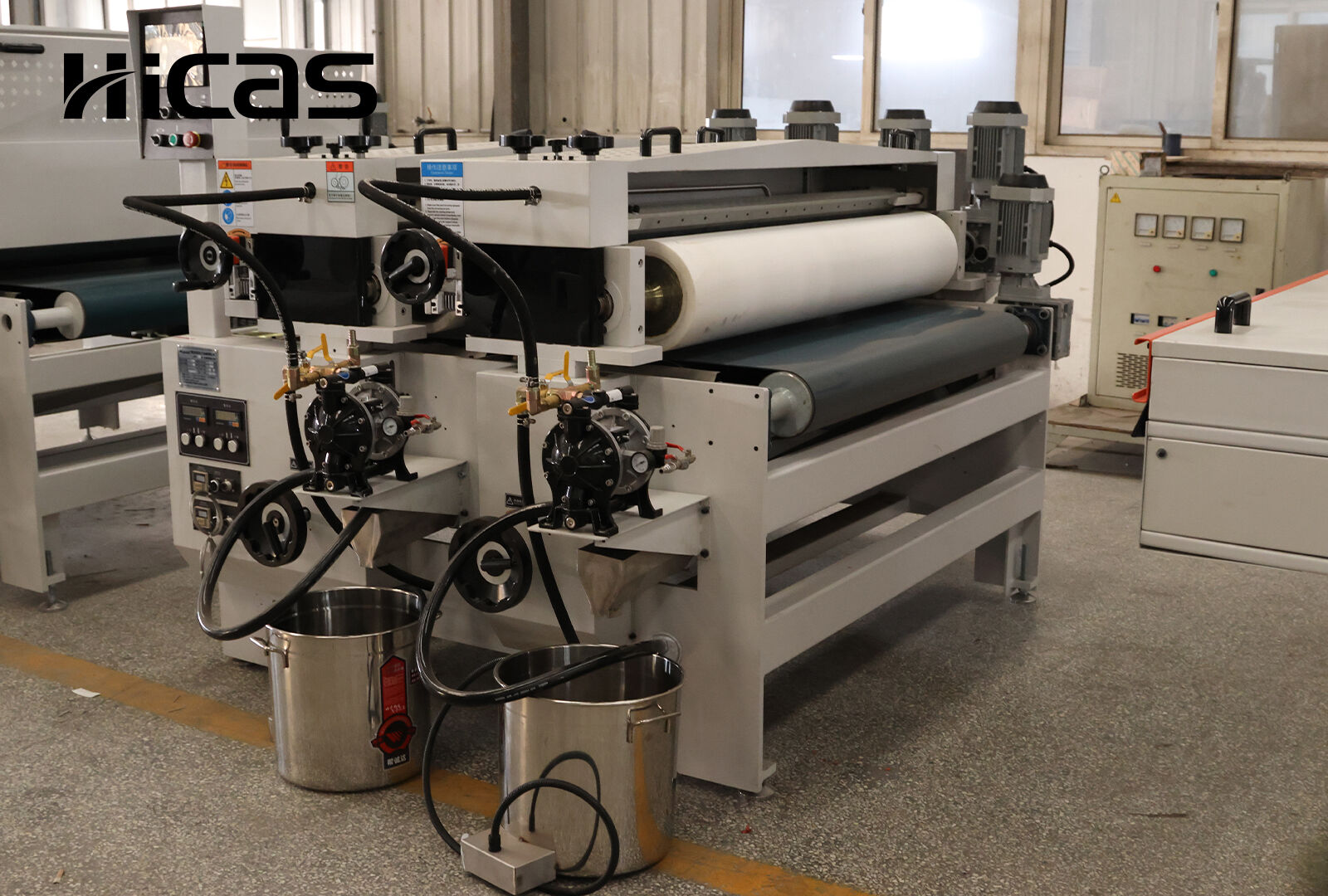
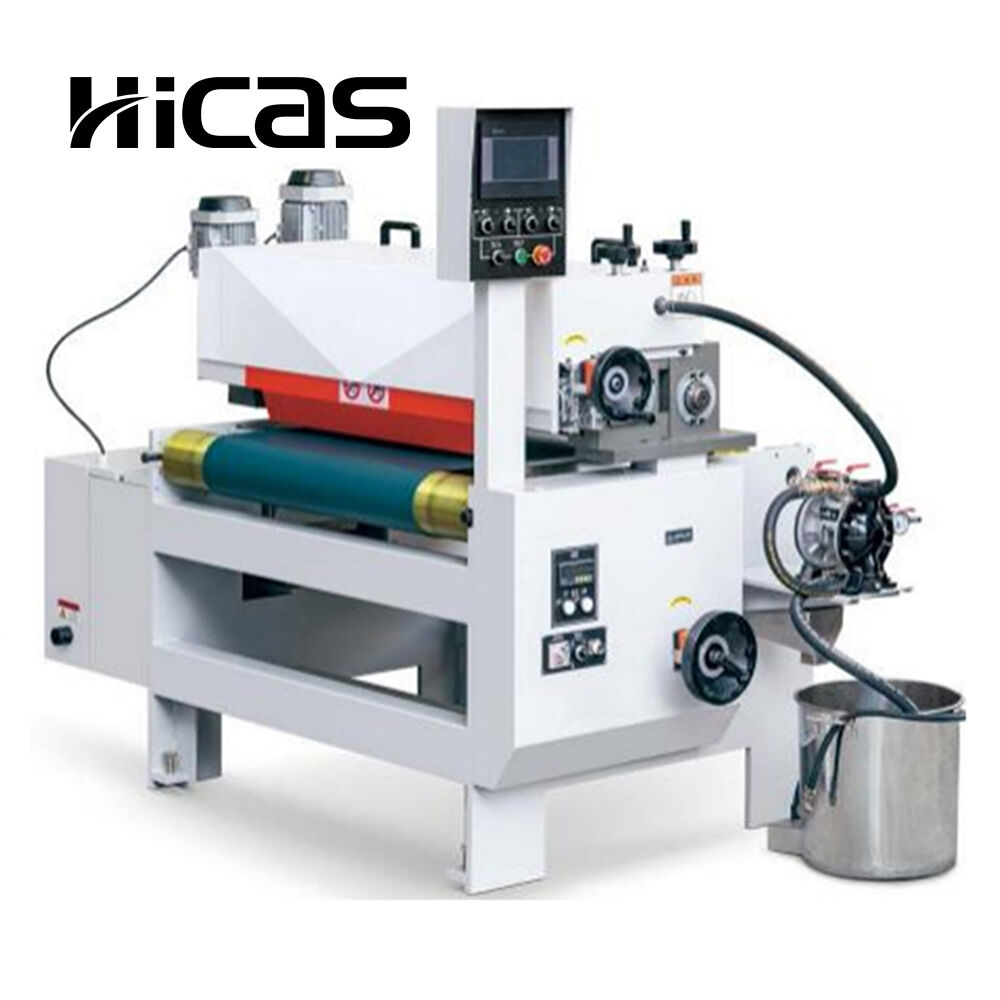
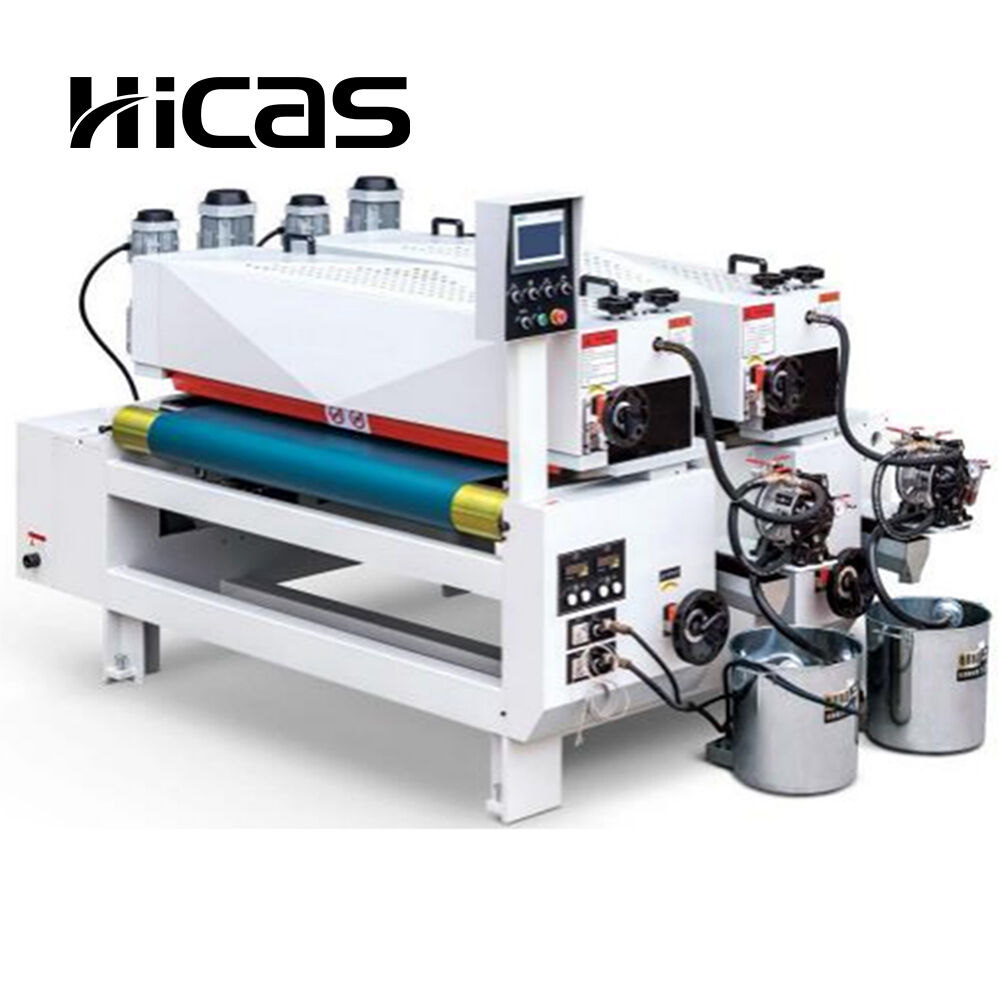
A roller coating line is an advanced industrial system designed to apply uniform coatings onto flat substrates such as metal sheets, wood panels, plastic boards, and other materials. This automated production equipment uses precision rollers to transfer paint, protective coatings, adhesives, or functional layers onto surfaces with exceptional consistency and efficiency. The roller coating line operates through a continuous process where materials pass through multiple stations including unwinding, surface preparation, coating application, curing or drying, and rewinding. The core technology involves calibrated roller systems that ensure accurate film thickness control, ranging from thin decorative finishes to thick protective layers. Modern roller coating line configurations incorporate advanced features such as temperature-controlled drying ovens, UV curing systems, infrared heating elements, and computerized control panels for precise parameter adjustment. These systems find extensive applications across diverse industries including metal building materials, furniture manufacturing, appliance production, automotive components, and architectural panels. The roller coating line delivers superior coating quality compared to traditional spray or brush methods, offering manufacturers a reliable solution for high-volume production requirements. With capabilities to handle various substrate widths, coating materials, and production speeds, this equipment has become indispensable for businesses seeking consistent surface finishing results while maintaining competitive production costs and meeting stringent quality standards in today's demanding manufacturing environment.

New Product Releases

The roller coating line provides manufacturers with significant cost savings through reduced material waste and lower labor requirements compared to conventional coating methods. This automated system applies coatings with precision accuracy, ensuring that every inch of substrate receives the exact amount of coating needed, eliminating overspray and minimizing expensive material loss. Your production facility benefits from faster throughput speeds, enabling you to complete larger orders within shorter timeframes and respond quickly to market demands. The consistent quality delivered by a roller coating line means fewer rejected products, reduced rework expenses, and enhanced customer satisfaction with every shipment. Operational efficiency improves dramatically as the system requires minimal manual intervention once parameters are set, allowing your workforce to focus on quality control and other value-added tasks. Energy consumption remains optimized through advanced drying and curing technologies that activate only when needed, reducing utility costs month after month. The roller coating line adapts easily to different coating materials including water-based, solvent-based, and UV-curable formulations, giving you flexibility to meet diverse customer specifications without investing in multiple specialized systems. Maintenance requirements stay manageable with accessible roller assemblies and straightforward cleaning procedures that minimize downtime between production runs. Your business gains competitive advantages through improved surface finish quality that enhances product appearance and durability, justifying premium pricing in the marketplace. The system's scalability allows you to start with basic configurations and add advanced features as production volumes grow, protecting your capital investment while supporting business expansion. Environmental compliance becomes easier as modern roller coating line designs reduce VOC emissions and facilitate responsible waste management practices that align with regulatory requirements and corporate sustainability goals.

Practical Tips

Applications of Wide Belt Sanders in the Metalworking Industry

18

Mar

Applications of Wide Belt Sanders in the Metalworking Industry

Wide-belt sanding technology for metals utilizes continuous sanding belts to achieve precise surface finishes in a variety of industrial applications. These automated systems maintain stable material removal rates via electric conveyor belts and ad...
View More
Choosing Between Entry-Level and High-Speed Wooden Pallet Making Machines

26

Feb

Choosing Between Entry-Level and High-Speed Wooden Pallet Making Machines

Production Volume Requirements: Matching Output to Wooden Pallet Making Machine Capability Cycle Time, Pallets per Shift, and Scalability Thresholds The amount of pallets being produced on a regular basis really makes all the difference when decid...
View More
How to Start a Wooden Pallet Factory with an Automatic Pallet Making Machine

28

Feb

How to Start a Wooden Pallet Factory with an Automatic Pallet Making Machine

Why an Automatic Pallet Making Machine Is the Strategic Core of Your FactoryKey capabilities: High-precision nailing, automated assembly, and consistent surface finishingWhen factories bring in automatic pallet making machines, they're basically...
View More
How Automated Wood Pallet Production Lines Transform Modern Manufacturing

27

Mar

How Automated Wood Pallet Production Lines Transform Modern Manufacturing

The Strategic Shift: Why Manufacturers Are Adopting Automated Wood Pallet Production Lines Labor Shortages, Safety Risks, and Rising Compliance Demands in Traditional Pallet Shops Traditional pallet manufacturing faces compounding pressures: Criti...
View More

Get a Free Quote

Our representative will contact you soon.
Email
Mobile
Name
Company Name
Message
0/1000

roller coating line

Precision Coating Thickness Control

Precision Coating Thickness Control

The roller coating line achieves exceptional precision in coating thickness through its sophisticated roller configuration and pressure control mechanisms. Unlike spray coating methods that produce inconsistent film thickness due to variable spray patterns and operator technique, the roller coating line maintains uniform coating distribution across the entire substrate width. Adjustable pressure settings between coating rollers and substrate surfaces allow operators to fine-tune film thickness from as thin as 5 microns to over 200 microns, depending on application requirements. This precision control directly impacts product quality, reducing coating material consumption while ensuring adequate coverage for protection and aesthetics. The system's reverse roller designs and doctor blade assemblies further refine coating distribution, eliminating streaks, bubbles, and uneven patches that compromise surface appearance. For manufacturers producing architectural panels, appliance housings, or decorative laminates, this consistency translates into predictable performance characteristics and visual uniformity across entire product batches. The ability to maintain tight thickness tolerances also supports compliance with industry specifications and customer quality standards, reducing rejection rates and strengthening your reputation for reliability in competitive markets.
Multi-Substrate Versatility and Quick Changeover

Multi-Substrate Versatility and Quick Changeover

Modern roller coating line systems demonstrate remarkable versatility in handling diverse substrate materials and coating formulations without extensive reconfiguration. The equipment processes metal coils, aluminum sheets, steel panels, medium-density fiberboard, particle board, plastic films, and composite materials with equal proficiency, making it ideal for manufacturers serving multiple market segments. Quick-change roller cassettes and adjustable gap settings enable operators to switch between different substrate thicknesses and widths in minimal time, reducing setup delays and maximizing productive hours. This flexibility proves invaluable when production schedules demand frequent material changes to accommodate varied customer orders. The roller coating line accommodates different coating chemistries including polyesters, epoxies, polyurethanes, acrylics, and specialty functional coatings, allowing you to expand service offerings without capital investment in additional equipment. Temperature zones within drying sections adjust independently to match curing requirements of different coating systems, ensuring optimal cross-linking and adhesion regardless of formulation type. For businesses pursuing growth opportunities in emerging markets or responding to changing customer preferences, this multi-substrate capability provides operational agility that fixed-purpose equipment cannot match, protecting your investment value over extended service life.
Automated Process Control and Quality Monitoring

Automated Process Control and Quality Monitoring

Advanced roller coating line installations incorporate sophisticated automation systems that monitor and adjust processing parameters in real-time, ensuring consistent output quality throughout production runs. Programmable logic controllers coordinate roller speeds, coating viscosity, temperature profiles, and material tension across all process stations, eliminating human error and variability. Integrated sensors continuously measure wet and dry film thickness, substrate position, coating temperature, and curing intensity, providing operators with instant feedback on process stability. When parameters drift outside preset tolerances, the system automatically makes corrective adjustments or alerts operators to potential issues before defects occur, protecting product quality and reducing scrap rates. Touch-screen interfaces simplify operation by presenting critical information in intuitive visual formats, allowing even less experienced personnel to monitor complex processes confidently. Recipe management functions store optimized parameter sets for different products, enabling one-touch changeovers between production runs without lengthy manual adjustments. Data logging capabilities track production metrics over time, supporting quality assurance documentation, process improvement initiatives, and regulatory compliance reporting. This automation excellence reduces dependency on specialized operator skills, lowers training costs, and ensures reproducible results shift after shift, strengthening your competitive position through superior process control.