Coater Roll Solutions for Precision Coating

L
O
A
D
I
N
G

Get a Free Quote

Our representative will contact you soon.
Email
Mobile
Name
Company Name
Message
0/1000

coater roll

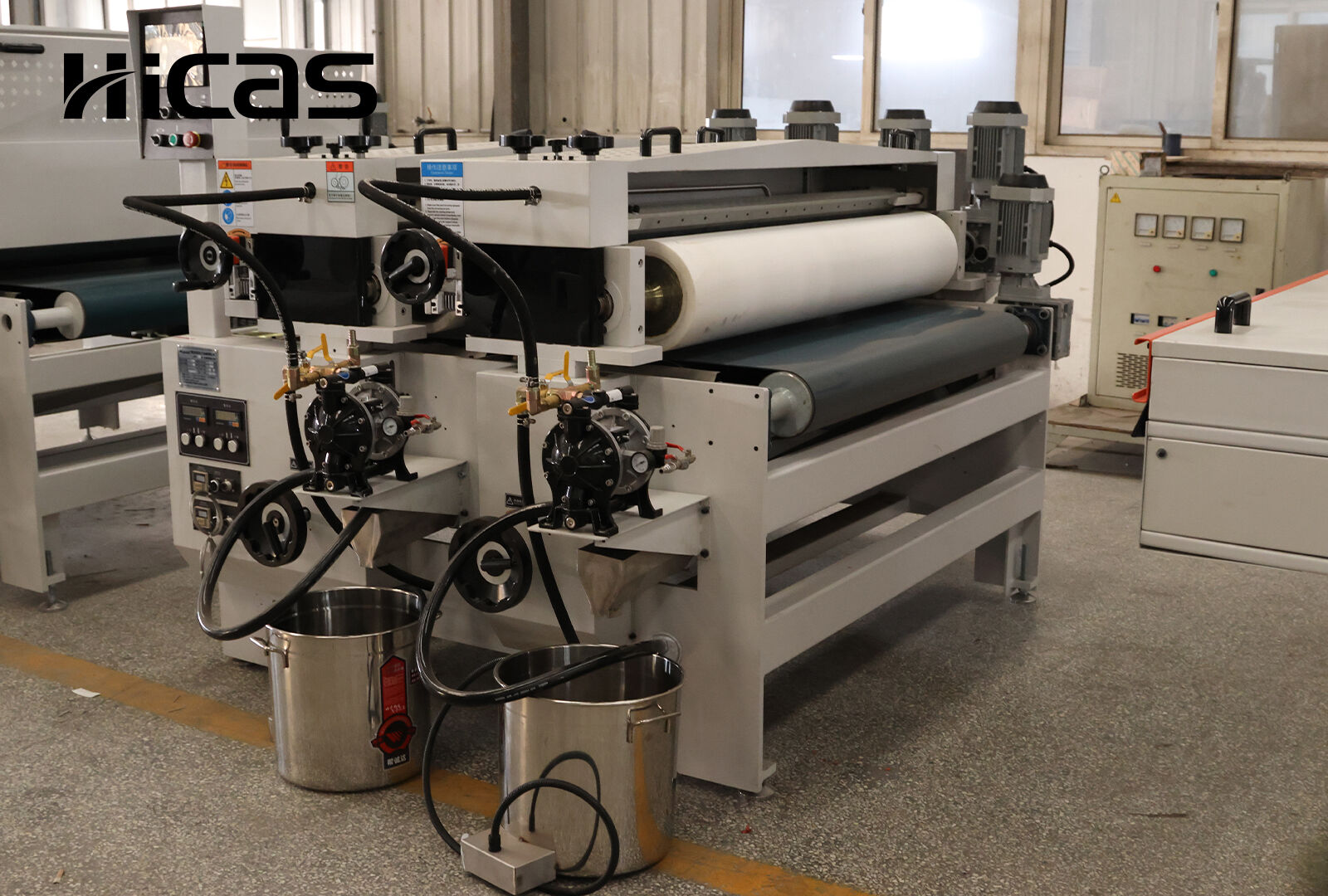
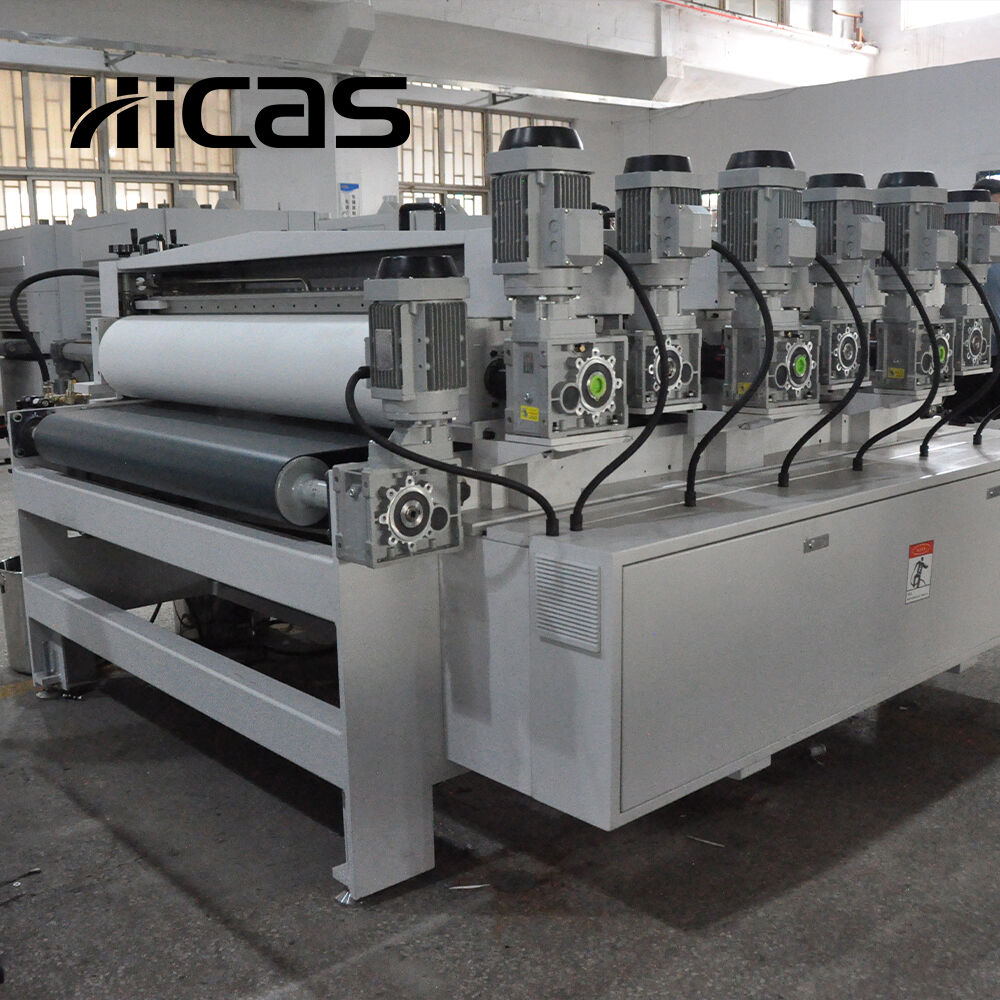
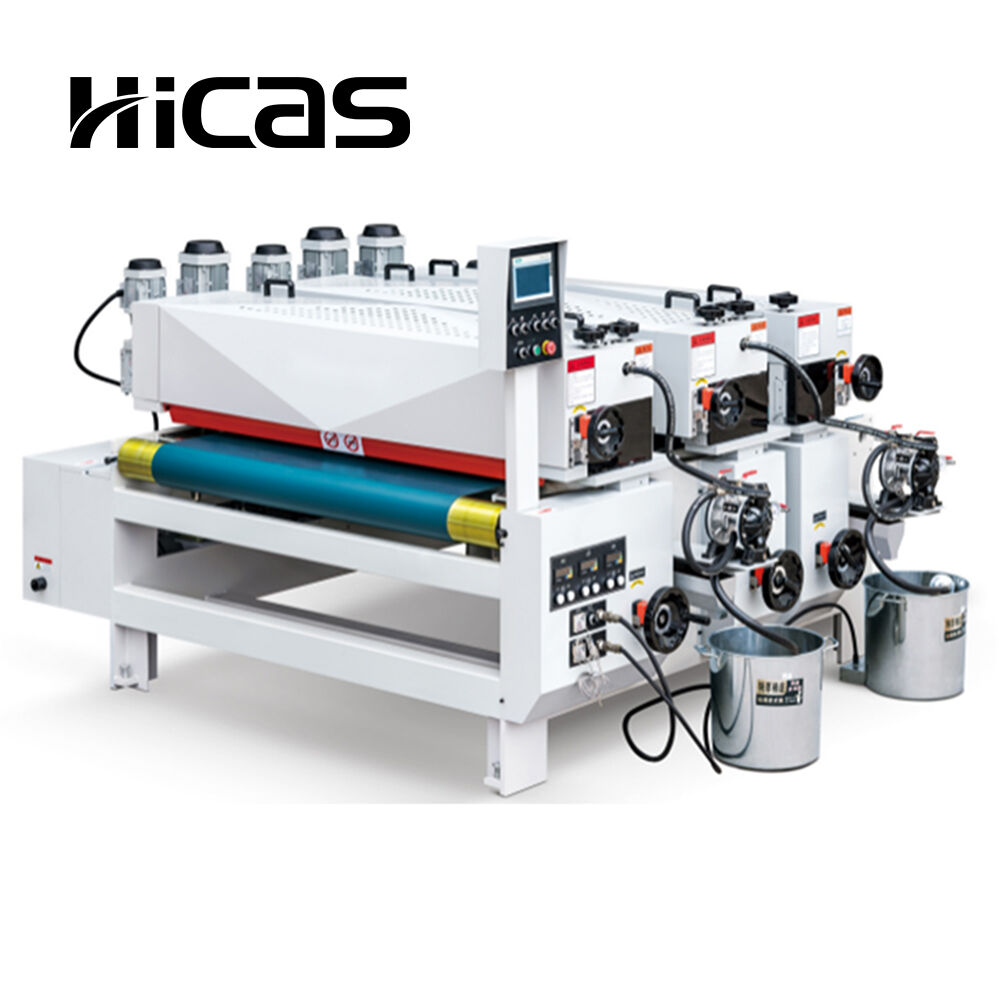
A coater roll is a precision-engineered cylindrical component essential to modern coating processes across numerous manufacturing industries. This specialized roller applies uniform layers of coating materials onto substrates such as paper, film, fabric, metal, and various other surfaces. The coater roll works by transferring controlled amounts of adhesives, paints, inks, or protective coatings from a reservoir onto the moving substrate with exceptional accuracy. Its main functions include ensuring consistent coating thickness, maintaining uniform distribution across the entire web width, and controlling the precise amount of material applied per unit area. The technological features of a coater roll include advanced surface treatments that optimize coating transfer, precision-ground surfaces that eliminate streaking or uneven application, and carefully engineered materials that resist corrosion and wear. Many coater roll designs incorporate temperature control systems to maintain optimal viscosity of coating materials, specialized surface patterns or engravings that enhance material pickup and release, and dynamic balancing to prevent vibration at high operational speeds. Applications span diverse industries including paper manufacturing where coater rolls apply glossy or matte finishes, packaging production requiring barrier coatings, textile processing for waterproofing or decorative finishes, automotive manufacturing for paint application, electronics production applying protective layers, and pharmaceutical packaging requiring precise functional coatings. The versatility and precision of the coater roll make it indispensable for achieving consistent product quality in high-volume manufacturing environments.

New Product Releases

Investing in a quality coater roll delivers substantial benefits that directly impact your bottom line and production efficiency. First, you gain exceptional coating uniformity that eliminates waste and reduces material costs significantly. When your coater roll applies precisely the right amount of coating every time, you avoid over-application that wastes expensive materials and under-application that causes quality failures. This precision translates into immediate cost savings and fewer rejected products. Second, durability means your coater roll withstands demanding production schedules without frequent replacement. Advanced surface treatments and robust construction materials ensure years of reliable service, minimizing downtime and maintenance expenses. You maintain consistent output quality throughout the roller's extended service life, protecting your reputation and customer relationships. Third, operational flexibility allows you to switch between different coating materials and substrates quickly. Whether you process lightweight films or heavy cardboard, thin water-based coatings or viscous adhesives, a well-designed coater roll adapts to your changing production needs without compromising performance. This versatility maximizes your equipment utilization and helps you respond rapidly to market demands. Fourth, the improved surface finish achieved by precision coater rolls enhances your product's visual appeal and functional properties. Smoother, more uniform coatings improve printability, adhesion, and barrier performance, adding value that customers recognize and appreciate. Finally, modern coater roll technology integrates seamlessly with automated production systems, enabling higher line speeds and reduced labor requirements. You achieve greater throughput with fewer operators, improving productivity while maintaining the consistent quality that distinguishes your products in competitive markets. These combined advantages make the coater roll a strategic investment that pays dividends through reduced costs, enhanced quality, and increased production capacity.

Tips And Tricks

How to Start a Wooden Pallet Factory with an Automatic Pallet Making Machine

28

Feb

How to Start a Wooden Pallet Factory with an Automatic Pallet Making Machine

Why an Automatic Pallet Making Machine Is the Strategic Core of Your FactoryKey capabilities: High-precision nailing, automated assembly, and consistent surface finishingWhen factories bring in automatic pallet making machines, they're basically...
View More
The Role of Conveyor Automation in Wooden Pallet Production Lines

28

Feb

The Role of Conveyor Automation in Wooden Pallet Production Lines

Why Conveyor Automation Is Essential for Modern Wooden Pallet Production LinesConveyor automation gets rid of those pesky manual handling bottlenecks that cause roughly 18% of all delays when making wooden pallets. Traditional approaches just can&apo...
View More
SF6060 Safety, Operation, Maintenance & Common Faults and Troubleshooting

13

May

SF6060 Safety, Operation, Maintenance & Common Faults and Troubleshooting

SF6060: Safety, Operation, Maintenance & Common Troubleshooting Guide Whether you’re a new operator or a seasoned maintenance technician, understanding the safety protocols, operational steps, and troubleshooting tips for the SF6060 is critic...
View More
Basic Operation and Maintenance of SF8010 Palletizing Machine

04

Jun

Basic Operation and Maintenance of SF8010 Palletizing Machine

This equipment is suitable for batch processing of wood and can be used for the preparation of wood materials in the early stage of the equipment, or for the drying and sorting of wood materials. It has high operating efficiency, simple operation, an...
View More

Get a Free Quote

Our representative will contact you soon.
Email
Mobile
Name
Company Name
Message
0/1000

coater roll

Precision Surface Engineering for Superior Coating Transfer

Precision Surface Engineering for Superior Coating Transfer

The surface characteristics of a coater roll fundamentally determine coating quality and consistency. Advanced manufacturing techniques create micro-finished surfaces with tolerances measured in microns, ensuring absolutely uniform coating distribution across the entire substrate width. Specialized surface treatments such as chrome plating, ceramic coating, or advanced polymer layers enhance release properties while providing exceptional resistance to chemical attack and abrasive wear. These engineered surfaces maintain their critical specifications even after millions of rotations under demanding production conditions. The precise surface finish eliminates common coating defects like streaking, orange peel, or skip marks that compromise product appearance and performance. For operations requiring patterned or textured coatings, laser engraving or mechanical graining creates controlled surface topographies that pickup and release coating materials in precise patterns. This level of surface engineering directly impacts your production yields and product quality, reducing waste while enhancing the value of finished goods. Temperature-stable surface treatments maintain consistent coating behavior despite thermal variations during extended production runs, ensuring the first product off the line matches the quality of the last.
Engineered Core Construction for Operational Reliability

Engineered Core Construction for Operational Reliability

The internal construction of a coater roll determines its mechanical stability and longevity under real-world production stresses. Premium coater rolls feature precisely machined steel or aluminum cores that provide exceptional straightness and concentricity, eliminating wobble or runout that causes coating thickness variations. Dynamic balancing procedures ensure smooth rotation at speeds exceeding thousands of revolutions per minute, preventing vibration that damages bearings, creates noise, and accelerates wear throughout your coating equipment. Reinforced shaft designs withstand the substantial mechanical loads generated during high-pressure coating applications without deflection or bending. Many advanced coater roll designs incorporate internal cooling passages that circulate temperature-controlled fluids, maintaining optimal coating viscosity and preventing heat buildup that degrades coating materials or substrate properties. Sealed bearing assemblies protect critical rotating components from contamination by coating materials, dust, or moisture, extending maintenance intervals and reducing unexpected downtime. The robust construction resists impact damage during handling and installation, protecting your investment throughout its service life. This engineering excellence translates into dependable day-to-day operation, predictable maintenance schedules, and extended roller life that maximizes your return on investment.
Application Versatility Across Diverse Manufacturing Processes

Application Versatility Across Diverse Manufacturing Processes

Modern coater roll designs accommodate an impressive range of coating materials, substrate types, and application techniques, making them valuable across multiple production scenarios. Whether you apply solvent-based or water-based coatings, UV-curable formulations, hot-melt adhesives, or specialized functional coatings, the appropriate coater roll configuration handles your specific materials effectively. Adjustable coating techniques including kiss coating, reverse roll coating, gravure coating, and metering rod applications utilize coater rolls as central components, giving you flexibility to optimize processes for different product requirements. The same coater roll system can often process substrates ranging from delicate tissue papers to rigid plastic sheets, thin polymer films to woven textiles, and smooth surfaces to textured materials. This versatility reduces capital equipment requirements since one well-designed coating line handles diverse product families. Quick-change mounting systems allow rapid roller replacement when switching between products or coating types, minimizing changeover time and maximizing productive uptime. Compatible with both batch and continuous production modes, coater roll technology scales from prototype development through high-volume manufacturing. This adaptability protects your investment as your product mix evolves and market demands change, ensuring your coating capabilities remain relevant and competitive throughout changing business conditions.