Wide Belt Sanding Solutions for Precision Finishing

L
O
A
D
I
N
G

Get a Free Quote

Our representative will contact you soon.
Email
Mobile
Name
Company Name
Message
0/1000

wide belt sanding

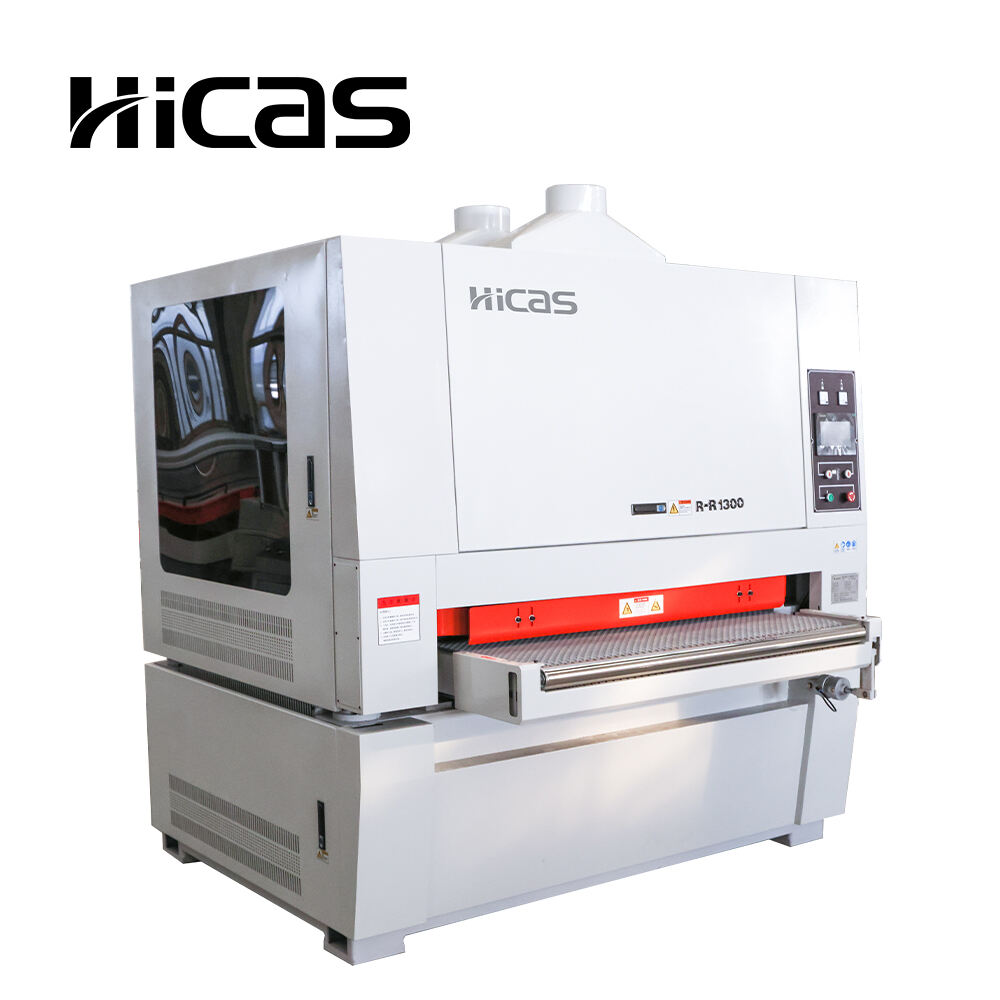
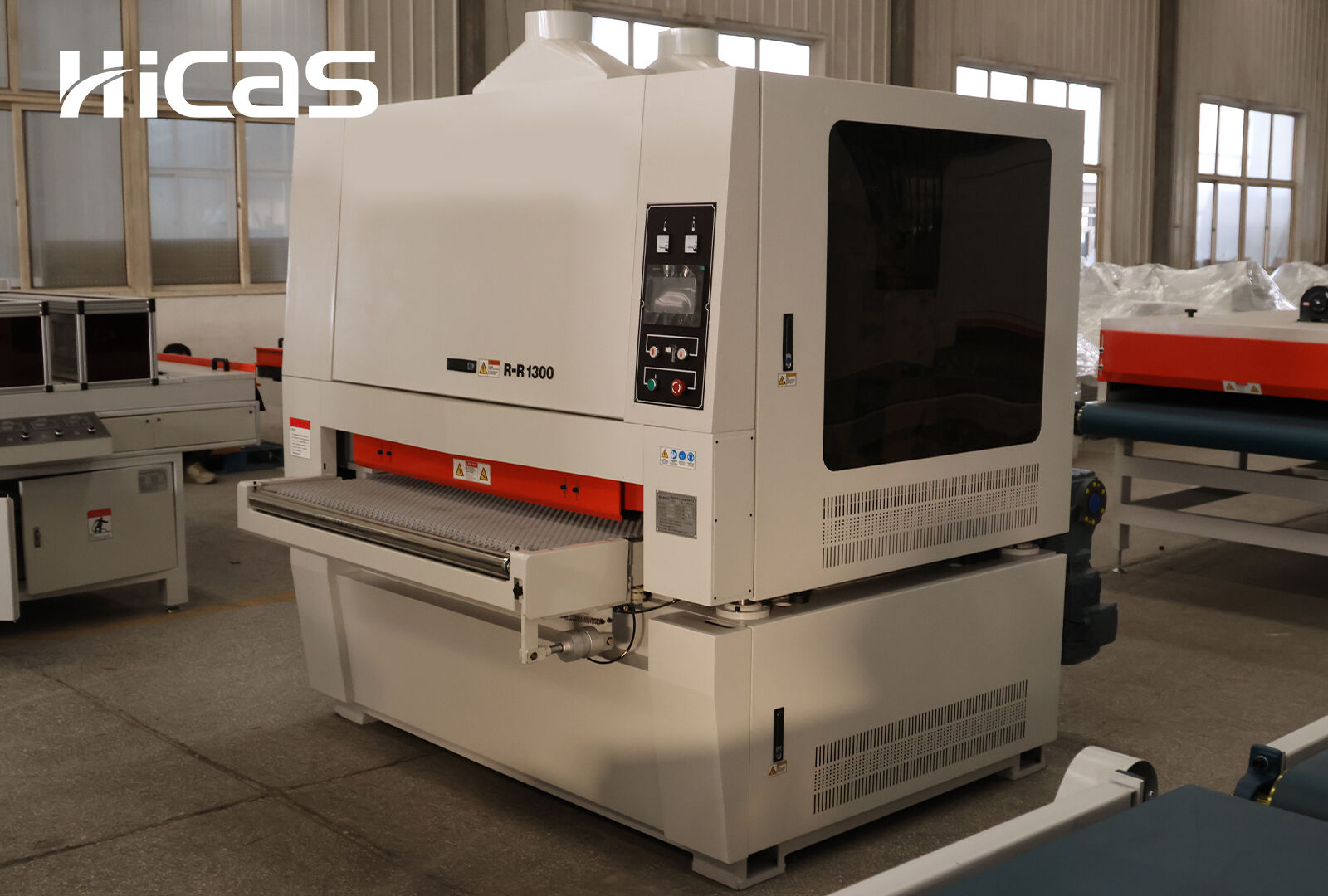
Wide belt sanding is an advanced surface finishing process that utilizes one or more abrasive belts stretched across a wide horizontal platform to refine and smooth large workpieces efficiently. This industrial woodworking technology operates by passing materials through powered sanding heads equipped with wide abrasive belts, typically ranging from 25 to 60 inches in width, delivering consistent and uniform surface preparation across entire panels in a single pass. The core mechanism of wide belt sanding involves precision-controlled pressure rollers and platens that maintain optimal contact between the abrasive belt and the workpiece, ensuring dimensional accuracy and superior surface quality. Modern wide belt sanding machines feature multiple sanding heads configured in sequence, allowing for progressive grit refinement from coarse stock removal to fine finishing operations. These systems incorporate sophisticated feed mechanisms with variable speed controls, enabling operators to adjust processing rates according to material characteristics and desired finish specifications. Wide belt sanding technology finds extensive application in furniture manufacturing, cabinet production, flooring fabrication, and engineered wood panel finishing. The process excels at calibrating thickness, removing machining marks, preparing surfaces for coating applications, and achieving consistent grain patterns across large production runs. Unlike traditional drum sanders or hand sanding methods, wide belt sanding delivers superior flatness control, eliminates cross-grain scratching, and maintains tight tolerances essential for high-quality woodworking applications. This technology represents a critical capability for manufacturers seeking efficient, repeatable, and professional-grade surface finishing solutions.

New Product Releases

Wide belt sanding delivers exceptional productivity advantages by processing entire panel widths simultaneously, dramatically reducing finishing time compared to narrow belt or orbital sanding alternatives. Manufacturers benefit from significantly lower labor costs as automated feed systems minimize manual handling requirements while ensuring consistent quality across production batches. The technology provides precise thickness calibration capabilities, allowing operators to achieve tolerances within thousandths of an inch, which is essential for laminating operations, veneer applications, and precision joinery work. Material waste reduction represents another compelling economic benefit, as controlled stock removal eliminates the excessive material loss often associated with manual sanding or less sophisticated machinery. Wide belt sanding systems accommodate diverse material types including solid wood, plywood, MDF, particleboard, and composite panels, offering versatile solutions that adapt to changing production requirements without equipment changes. The process generates superior surface quality with uniform scratch patterns that optimize subsequent finishing operations, reducing the amount of sealer and topcoat materials needed while improving final appearance. Operational safety improvements are notable, as enclosed sanding chambers with integrated dust collection systems protect workers from airborne particulates and reduce workplace hazards. Energy efficiency advantages emerge from optimized motor configurations and variable speed controls that match power consumption to actual processing demands. The scalability of wide belt sanding technology supports business growth, with entry-level single-head machines serving small shops while multi-head production systems handle high-volume manufacturing environments. Maintenance requirements remain manageable through accessible belt changing mechanisms and standardized abrasive supplies, ensuring maximum uptime and predictable operating costs that facilitate accurate production planning and competitive pricing strategies.

Tips And Tricks

Choosing Between Entry-Level and High-Speed Wooden Pallet Making Machines

26

Feb

Choosing Between Entry-Level and High-Speed Wooden Pallet Making Machines

Production Volume Requirements: Matching Output to Wooden Pallet Making Machine Capability Cycle Time, Pallets per Shift, and Scalability Thresholds The amount of pallets being produced on a regular basis really makes all the difference when decid...
View More
Automation Trends in Industrial Wood Packaging Equipment

26

Feb

Automation Trends in Industrial Wood Packaging Equipment

Robotic Palletizing and Assembly for Modern Wood Packaging Equipment Vision-Guided Robotic Systems for Precision Wooden Pallet Loading Wood packaging equipment now benefits from vision guided robotics that position materials with incredible precis...
View More
How Pallet Stacking Systems Improve Warehouse Efficiency in Pallet Factories

28

Feb

How Pallet Stacking Systems Improve Warehouse Efficiency in Pallet Factories

Maximizing Vertical Space with Pallet Stacking Systems Overcoming Floor-Based Storage Limitations Through Height-Optimized Racking Most warehouses end up wasting around two thirds of their total space when they rely on traditional floor storage metho...
View More
Why Integrated Coating Sanding and Painting Lines Are Critical for Modern Wood Factories

27

Mar

Why Integrated Coating Sanding and Painting Lines Are Critical for Modern Wood Factories

Boosting Throughput and Consistency with Fully Integrated Wood Coating Machines Bottleneck Elimination: How Fragmented Finishing Slows High-Mix Wood Production In wood manufacturing shops that handle lots of different products, broken up finishing...
View More

Get a Free Quote

Our representative will contact you soon.
Email
Mobile
Name
Company Name
Message
0/1000

wide belt sanding

Multi-Head Sequential Processing Capability

Multi-Head Sequential Processing Capability

Advanced wide belt sanding systems feature multiple sanding heads arranged in strategic sequence, enabling complete surface refinement in a single machine pass. This configuration typically combines coarse grit belts on initial heads for rapid stock removal and dimensioning, followed by progressively finer grits on subsequent heads for scratch refinement and final finishing. The multi-head approach eliminates the need for multiple machine passes or separate equipment stations, dramatically improving throughput efficiency while maintaining exceptional surface quality. Each sanding head can be independently adjusted for pressure, speed, and platen configuration, allowing operators to customize the sanding profile for specific material characteristics and finish requirements. This flexibility proves invaluable when processing varied wood species, panel constructions, or surface preparation needs within the same production environment. The sequential processing design of wide belt sanding machinery also reduces abrasive consumption costs, as each belt operates at its optimal efficiency range rather than forcing single belts to perform both aggressive stock removal and fine finishing tasks that accelerate wear patterns.
Precision Thickness Calibration Technology

Precision Thickness Calibration Technology

Wide belt sanding machines incorporate sophisticated calibration systems that deliver exceptional dimensional accuracy essential for modern woodworking applications. Precision-ground reference surfaces combined with digital measurement feedback ensure consistent thickness control across entire panel widths, eliminating the taper, snipe, and inconsistency problems common with alternative sanding methods. This calibration capability proves critical for manufacturers producing components requiring exact thickness specifications for automated assembly processes, veneer lamination operations, or architectural millwork with tight tolerance requirements. The technology employs rigid machine frames with vibration-dampening construction that maintains geometric stability during high-speed operation, preventing the deflection issues that compromise dimensional accuracy. Adjustable pressure systems allow operators to fine-tune sanding intensity across the belt width, compensating for material density variations or addressing specific flatness concerns. Wide belt sanding calibration features support quality control objectives by enabling repeatable production of components meeting specification requirements, reducing rework costs, and minimizing customer rejection rates that impact profitability and reputation in competitive manufacturing markets.
Integrated Dust Management Systems

Integrated Dust Management Systems

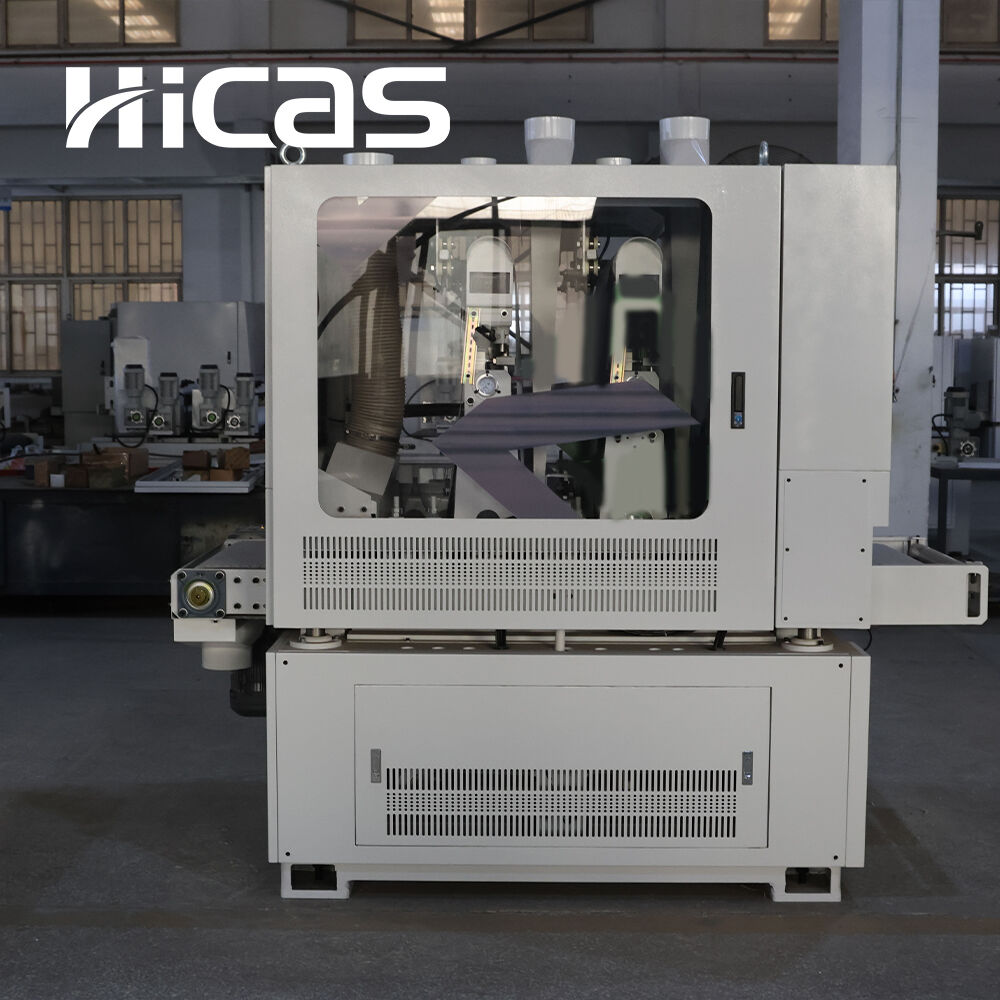
Modern wide belt sanding equipment incorporates comprehensive dust collection and management systems that address both operational efficiency and workplace safety requirements. Enclosed sanding chambers with strategically positioned extraction ports capture airborne particulates at the point of generation, preventing dust accumulation on machinery components that can interfere with precision operation and accelerate wear. High-velocity airflow systems remove fine dust particles from the work zone immediately, maintaining clear visibility of the workpiece surface and enabling real-time quality monitoring during production. The integrated dust management approach reduces facility cleaning requirements, lowers maintenance costs, and extends the service life of electrical components sensitive to contamination. From a worker safety perspective, effective dust extraction systems minimize respiratory exposure to wood particulates, creating healthier work environments that comply with occupational health regulations and reduce long-term liability concerns. Environmental benefits include the capture of recyclable wood waste that can be repurposed for energy generation, composite material production, or agricultural applications. The dust collection integration designed into wide belt sanding systems represents a significant operational advantage over standalone sanding equipment requiring separate aftermarket extraction solutions.