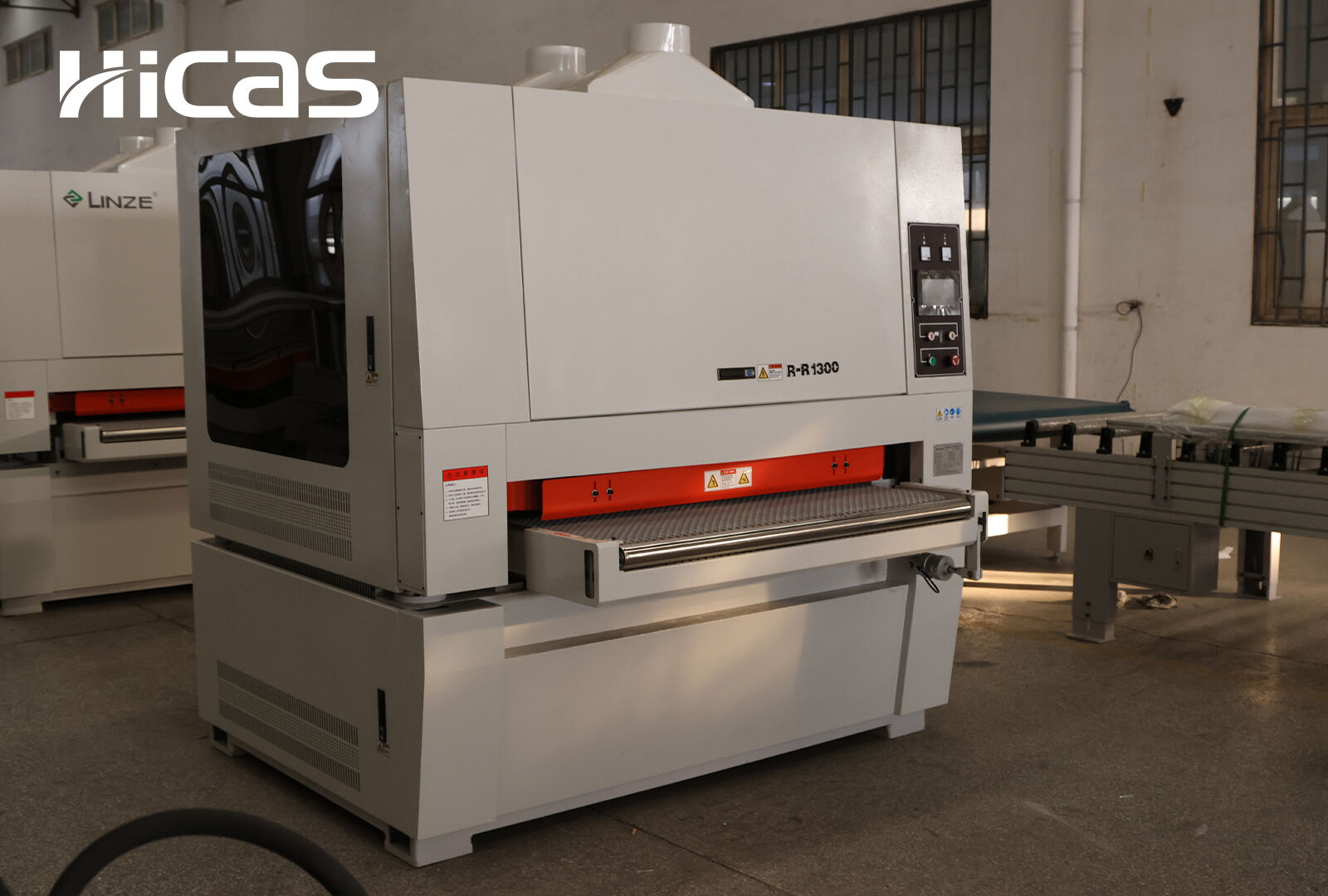
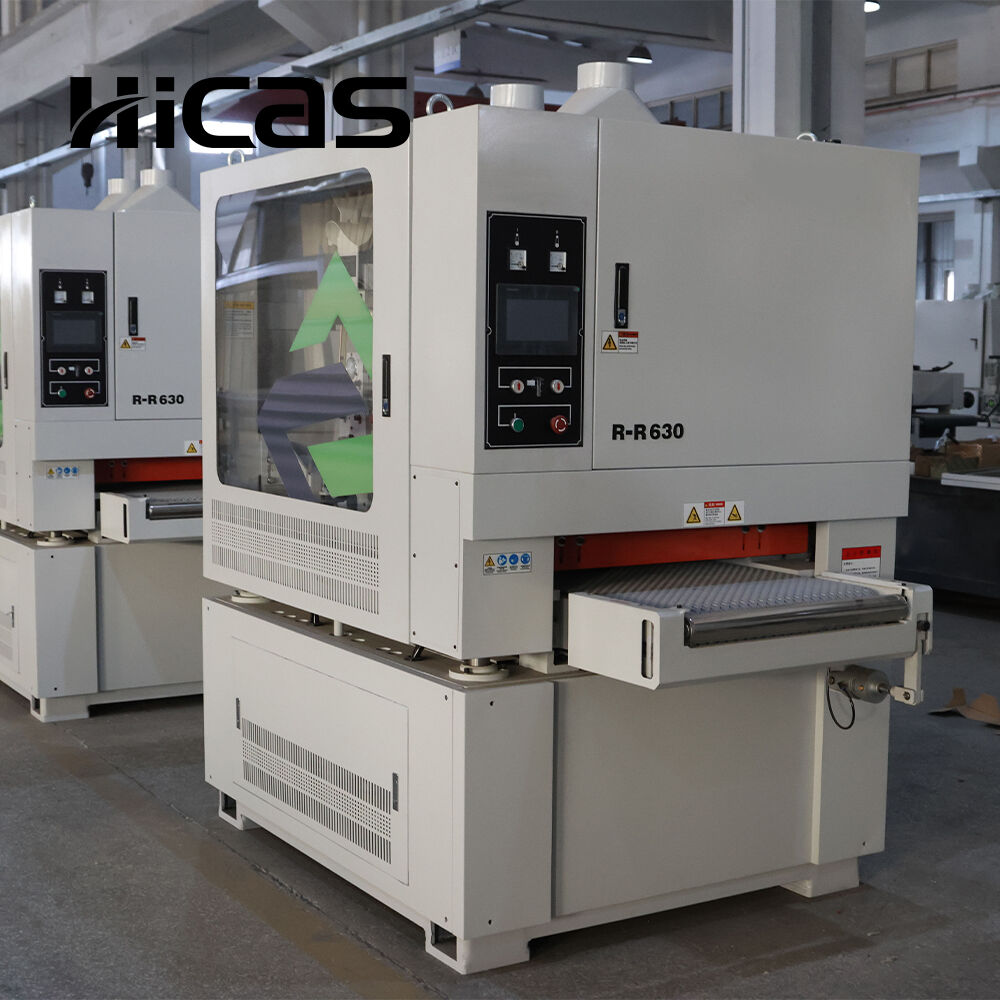
Automatic Wide Belt Sander - Precision Finishing

L
O
A
D
I
N
G

Get a Free Quote

Our representative will contact you soon.
Email
Mobile
Name
Company Name
Message
0/1000

automatic wide belt sander

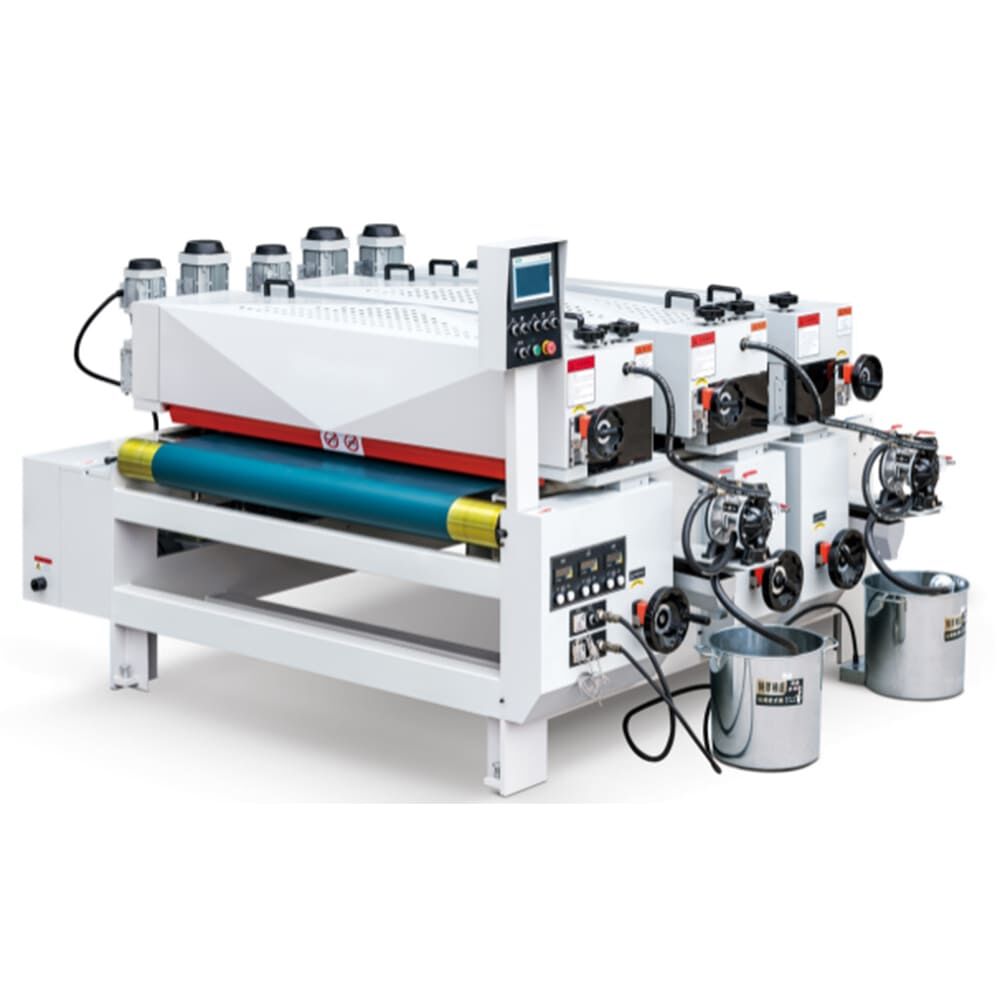
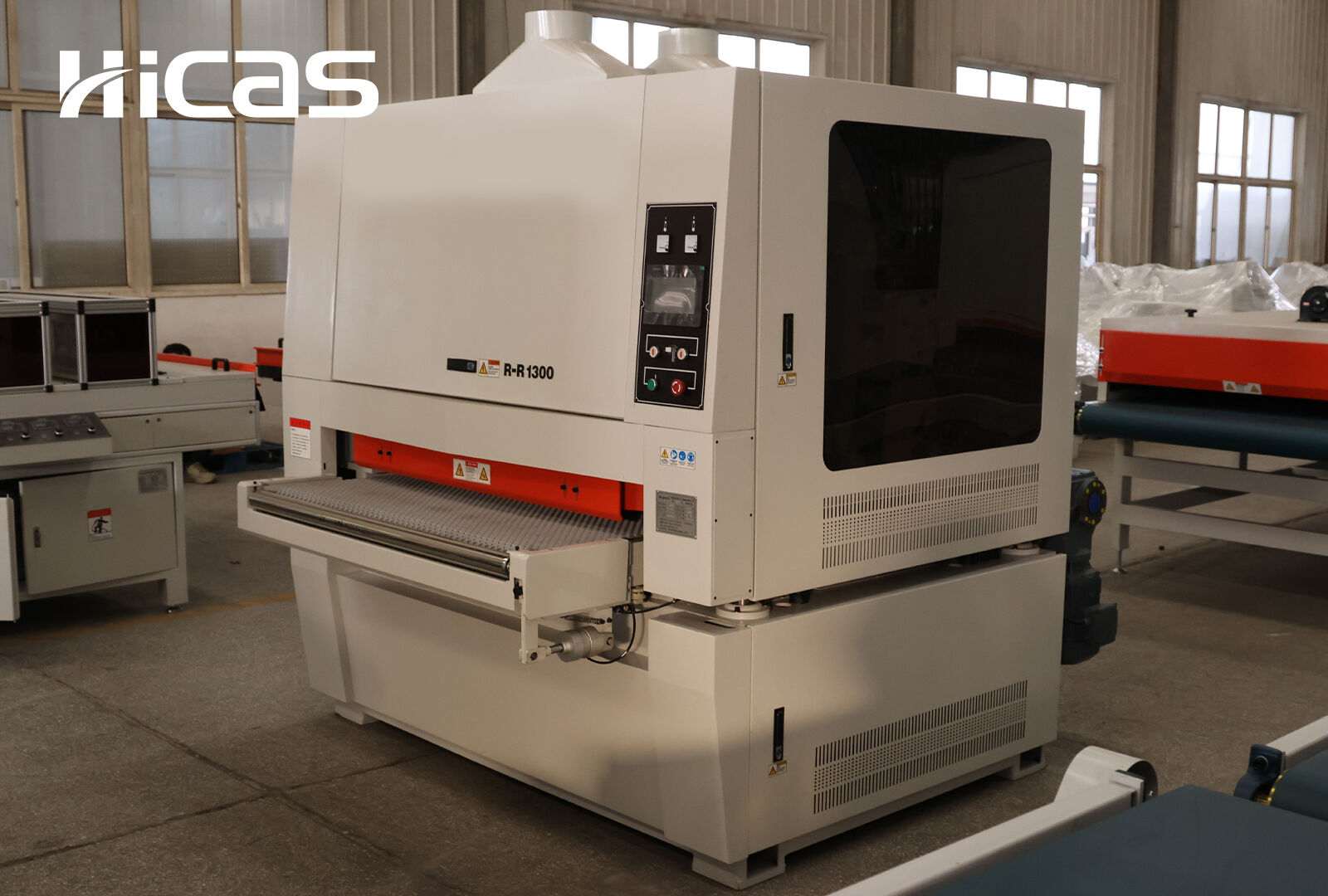
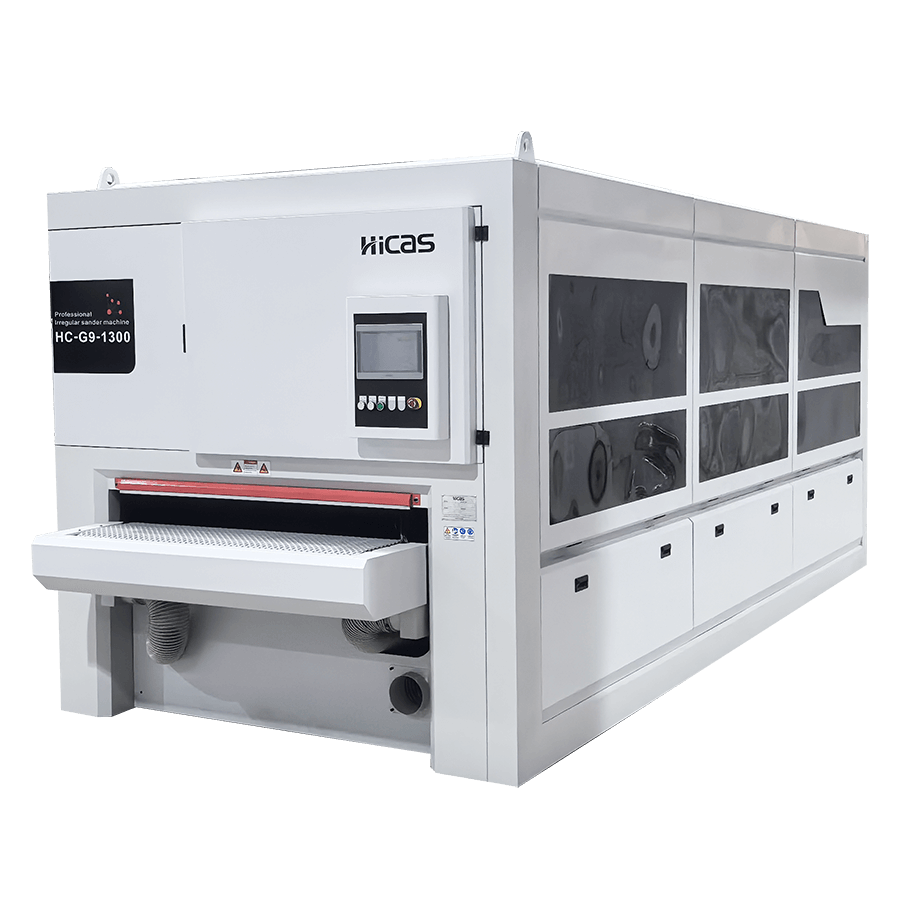
An automatic wide belt sander is a sophisticated woodworking machine designed to deliver precision surface finishing and material removal for flat panel processing. This industrial equipment utilizes one or multiple abrasive belts stretched across wide drums or platens to sand large surface areas efficiently and uniformly. The automatic wide belt sander operates through a conveyor system that feeds workpieces through the sanding zone at controlled speeds, ensuring consistent results across every panel. Modern automatic wide belt sanders feature adjustable sanding heads, variable feed rates, and programmable controls that allow operators to customize the sanding process for different materials and desired finishes. These machines excel at handling solid wood, engineered wood products, plywood, particleboard, MDF, and various composite materials with thicknesses ranging from thin veneers to substantial panels. The technological features of an automatic wide belt sander include precision thickness control systems, dust extraction integration, quick belt changing mechanisms, and digital displays for operational monitoring. Advanced models incorporate multiple sanding heads with different grit sequences, enabling progressive sanding from coarse material removal to fine finishing in a single pass. The applications of this equipment span furniture manufacturing, cabinet production, door manufacturing, flooring preparation, and general woodworking operations where high-volume production and consistent quality are essential requirements for competitive manufacturing environments.

New Products

The automatic wide belt sander delivers substantial time savings compared to manual sanding methods by processing multiple panels per minute with minimal operator intervention. This efficiency translates directly into increased production capacity and reduced labor costs, making it an economically sound investment for workshops handling medium to high-volume operations. The consistency provided by an automatic wide belt sander ensures every workpiece receives identical treatment, eliminating the variations common with hand sanding and producing uniformly smooth surfaces that meet strict quality standards. Operators benefit from reduced physical strain since the machine handles the demanding sanding work, creating a safer and more comfortable working environment while maintaining productivity throughout extended production runs. The versatility of this equipment allows manufacturers to process various materials and thicknesses without requiring separate machines, providing flexibility to adapt quickly to different project requirements and customer specifications. Energy efficiency represents another practical advantage, as modern automatic wide belt sanders optimize power consumption while delivering superior results compared to older equipment or alternative finishing methods. The integrated dust collection systems protect both workers and the facility by capturing harmful particles at the source, contributing to regulatory compliance and healthier workplace conditions. Maintenance requirements remain manageable with accessible components and straightforward belt replacement procedures that minimize downtime and keep operational costs predictable. The precision calibration capabilities of an automatic wide belt sander enable manufacturers to achieve exact thickness tolerances essential for lamination, veneering, and assembly operations where dimensional accuracy directly impacts final product quality and customer satisfaction.

Latest News

What Is Roll Coating and How Does Roll Coating Equipment Work

18

Mar

What Is Roll Coating and How Does Roll Coating Equipment Work

What Is Roll Coating? Understanding the Core Process 1. Basic Principles of Roll Coating Technology Roll coating stands out as one of the most effective ways to apply coatings, basically spreading a consistent layer across whatever surface needs t...
View More
How Pallet Stacking Systems Improve Warehouse Efficiency in Pallet Factories

28

Feb

How Pallet Stacking Systems Improve Warehouse Efficiency in Pallet Factories

Maximizing Vertical Space with Pallet Stacking Systems Overcoming Floor-Based Storage Limitations Through Height-Optimized Racking Most warehouses end up wasting around two thirds of their total space when they rely on traditional floor storage metho...
View More
How Automated Painting Lines Enhance Efficiency in Furniture Production

27

Mar

How Automated Painting Lines Enhance Efficiency in Furniture Production

Accelerating Production Throughput with Automatic Painting Lines Robotic Spray Arms and Synchronized Conveyance Boost Cycle Speed Today's automated spray painting systems combine robotic arms with smart conveyor technology to boost furniture manuf...
View More
The basic operation of the SF9020 slab connection machine equipment

04

Jun

The basic operation of the SF9020 slab connection machine equipment

I. Operating Precautions This is a high-performance and advanced equipment. Before operating it, you must carefully read the equipment manual to operate and maintain it properly in various working environments, ensuring maximum safety. Ensure that th...
View More

Get a Free Quote

Our representative will contact you soon.
Email
Mobile
Name
Company Name
Message
0/1000

automatic wide belt sander

Advanced Multi-Head Sanding Configuration

Advanced Multi-Head Sanding Configuration

The multi-head design of modern automatic wide belt sanders represents a significant technological advancement that dramatically improves finishing quality and operational efficiency. This configuration allows manufacturers to install belts with progressively finer grits across sequential sanding heads, completing the entire surface preparation process in one continuous pass through the machine. The first head typically uses coarser abrasives for rapid material removal and thickness calibration, while subsequent heads employ finer grits to refine the surface texture and achieve the desired finish quality. This progressive sanding approach eliminates the need for multiple machine passes or separate equipment, reducing processing time and handling requirements that can introduce surface defects or dimensional variations. The automatic wide belt sander with multiple heads also provides greater process control, allowing operators to adjust each head independently for pressure, speed, and positioning to optimize results for specific materials. This flexibility proves invaluable when working with challenging materials that require careful parameter balancing to prevent burning, rippling, or other surface defects while achieving the smooth finish that customers expect from quality woodworking products.
Precision Thickness Control System

Precision Thickness Control System

The precision thickness control system integrated into automatic wide belt sanders ensures dimensional accuracy that manual processes simply cannot match consistently across production volumes. This technological feature employs sophisticated sensors and adjustment mechanisms that monitor and regulate the exact amount of material removed from each workpiece, maintaining tolerances measured in thousandths of an inch. For manufacturers producing components requiring exact specifications for assembly or lamination, this precision eliminates costly rejections and rework while ensuring proper fit and function in finished products. The automatic wide belt sander thickness control system also compensates for material inconsistencies, detecting variations in incoming stock thickness and adjusting sanding depth accordingly to produce uniform output dimensions. This capability proves particularly valuable when processing natural wood materials with inherent thickness variations or reclaimed materials requiring surface leveling. The digital displays and programmable memory functions allow operators to save preferred settings for different materials and products, enabling quick changeovers between production runs without time-consuming manual recalibration. This combination of precision, consistency, and operational convenience directly impacts profitability by maximizing material utilization, reducing waste, and accelerating production cycles.
Intelligent Dust Management Integration

Intelligent Dust Management Integration

The integrated dust management system in automatic wide belt sanders addresses one of woodworking's most significant health and operational challenges through engineered collection points positioned precisely at each sanding interface. These systems capture the vast majority of generated dust particles immediately at the source before they can disperse into the workspace, protecting worker respiratory health and maintaining cleaner production environments. The automatic wide belt sander dust collection design incorporates optimized airflow patterns that effectively remove fine particles without interfering with sanding performance or workpiece stability during processing. This engineering consideration ensures consistent results while maintaining the protective benefits of comprehensive dust extraction. Beyond health protection, effective dust management prevents particle accumulation on machine components that can cause premature wear, surface defects on finished products, and potential fire hazards from combustible wood dust concentrations. The filtration systems connected to automatic wide belt sanders often include features for captured material collection and disposal, streamlining housekeeping requirements and supporting waste recycling initiatives. Facilities benefit from reduced cleaning demands, extended equipment lifespan, and improved compliance with increasingly stringent air quality and workplace safety regulations that govern dust exposure limits in manufacturing environments.