Automatic Pallet Nailing Line - Fast Production

L
O
A
D
I
N
G

Get a Free Quote

Our representative will contact you soon.
Email
Mobile
Name
Company Name
Message
0/1000

automatic pallet nailing line

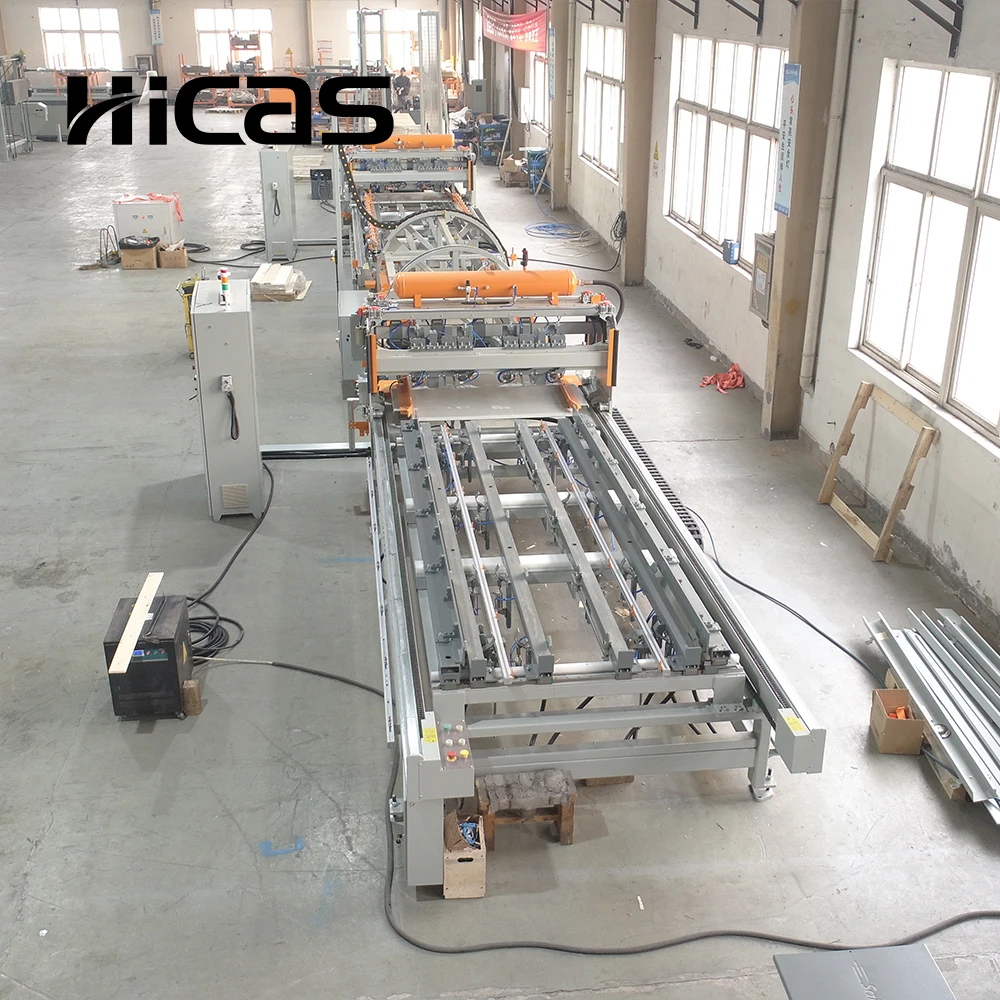
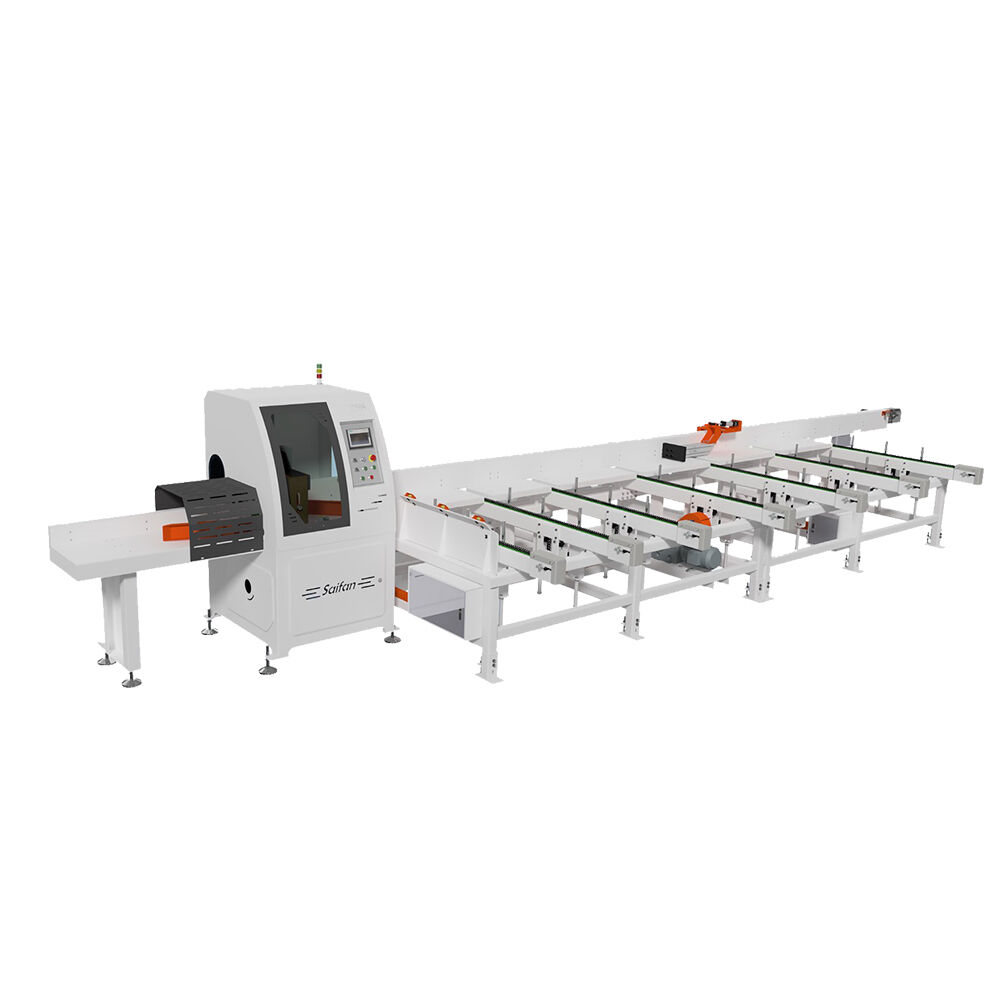
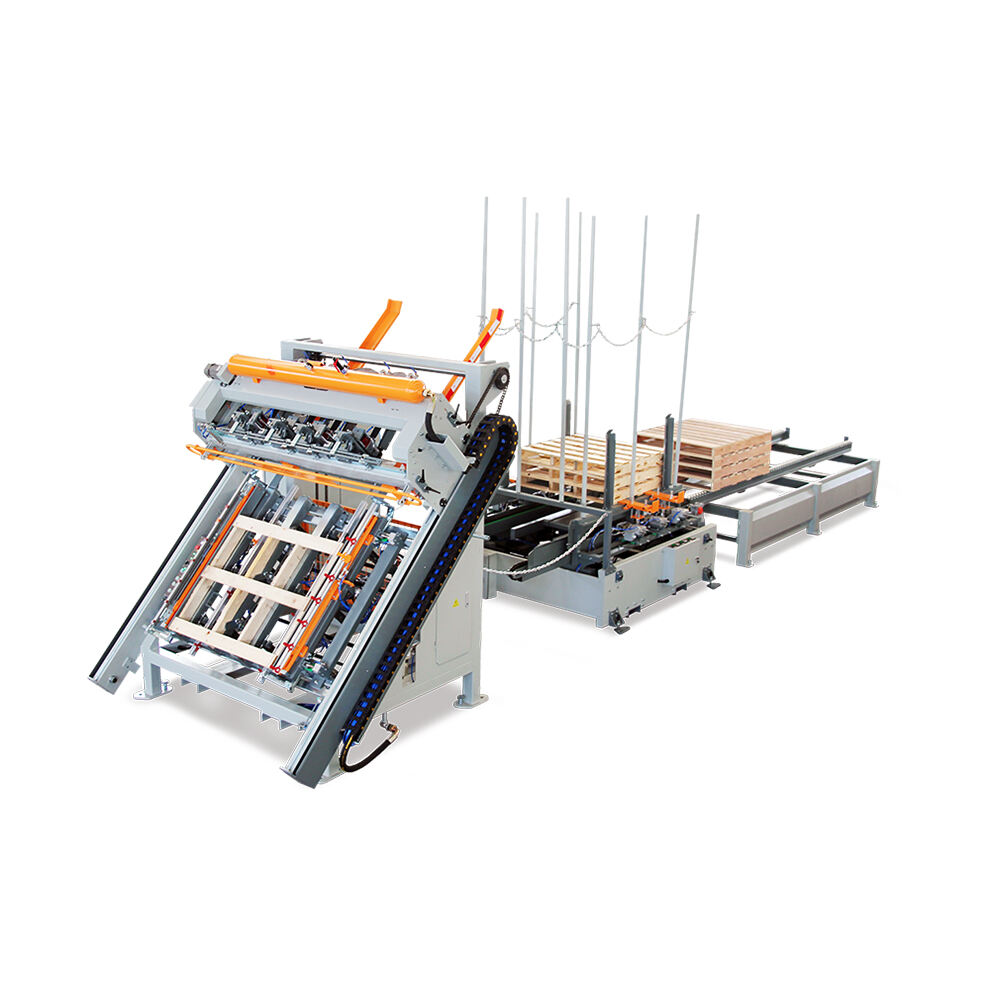
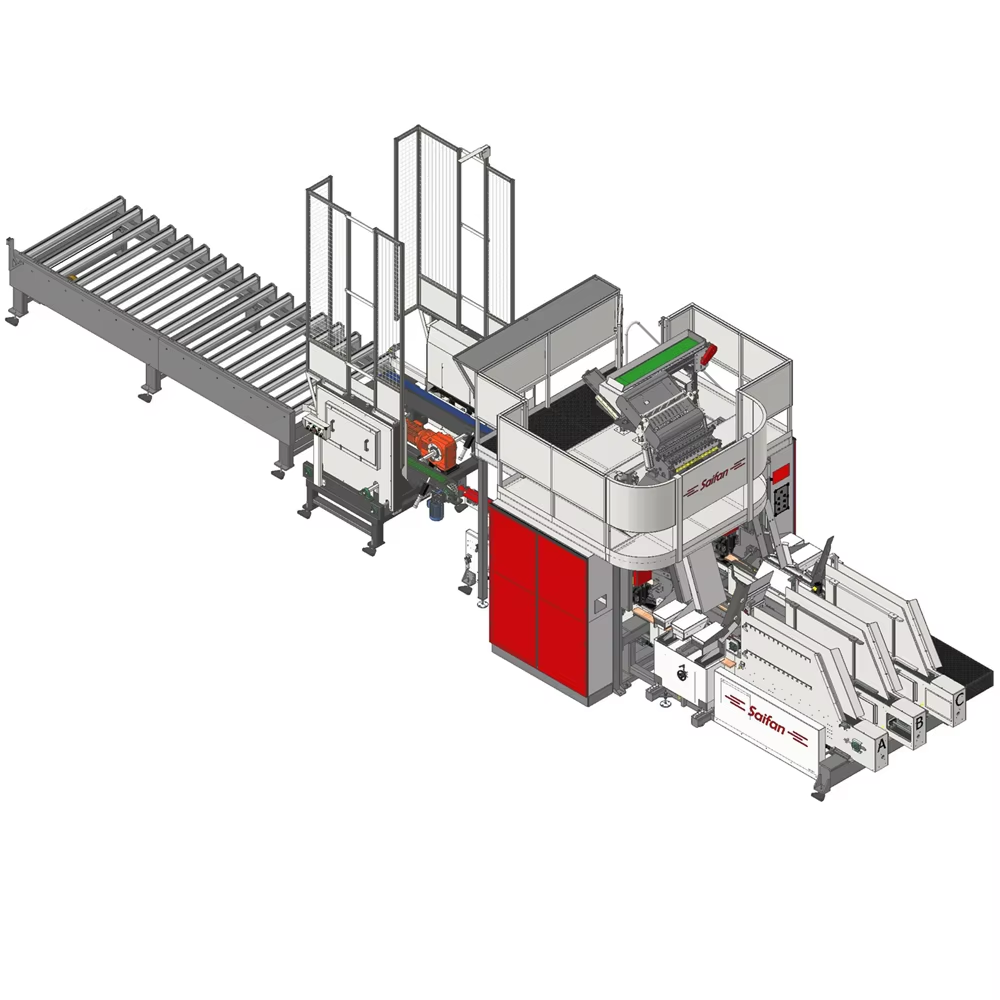
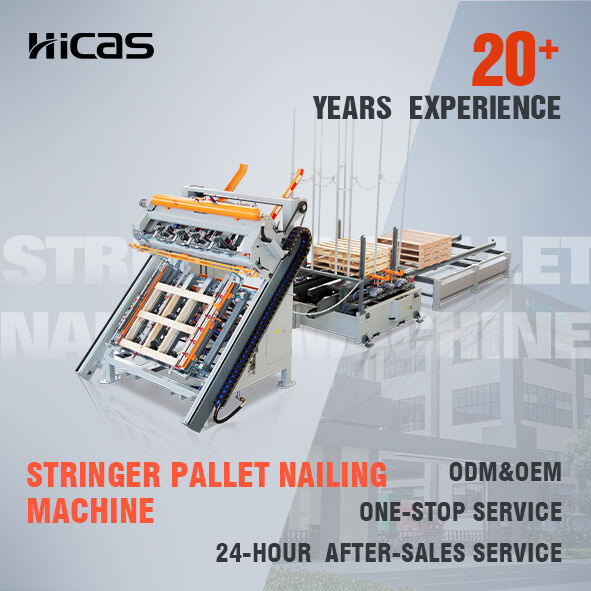
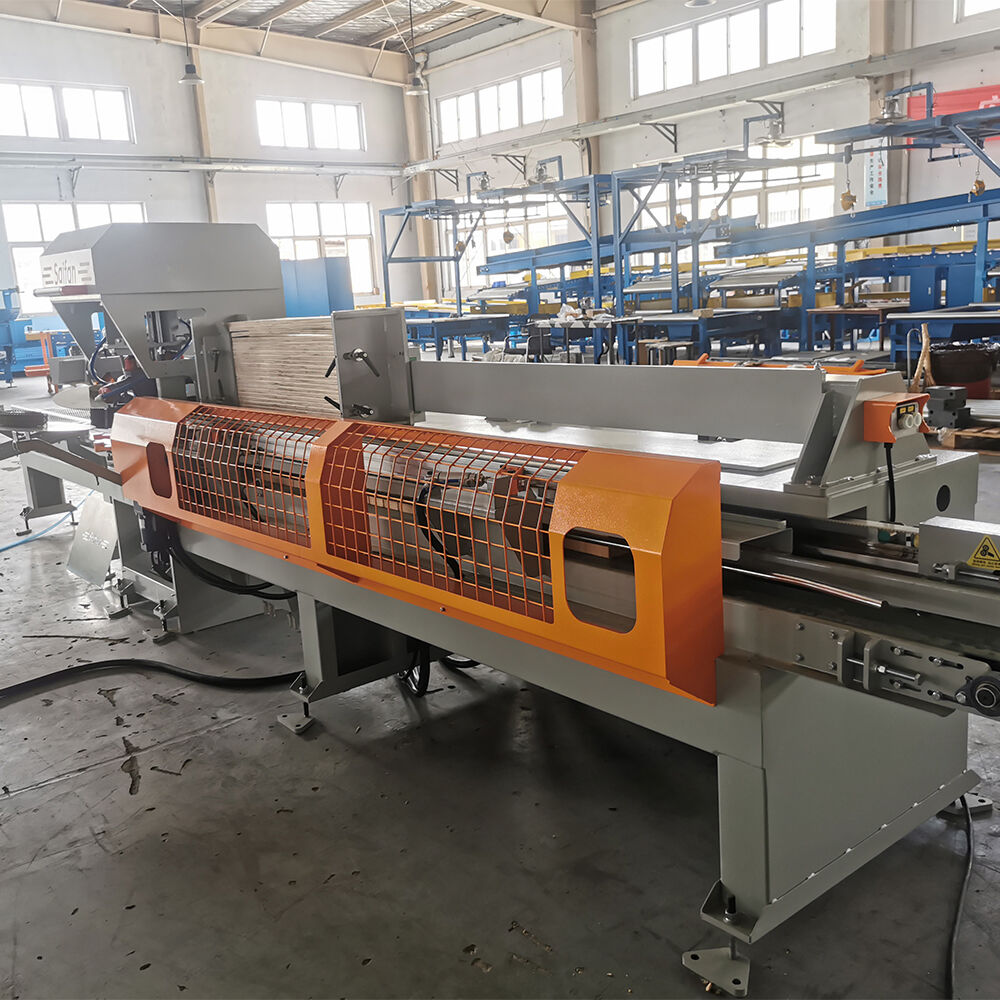
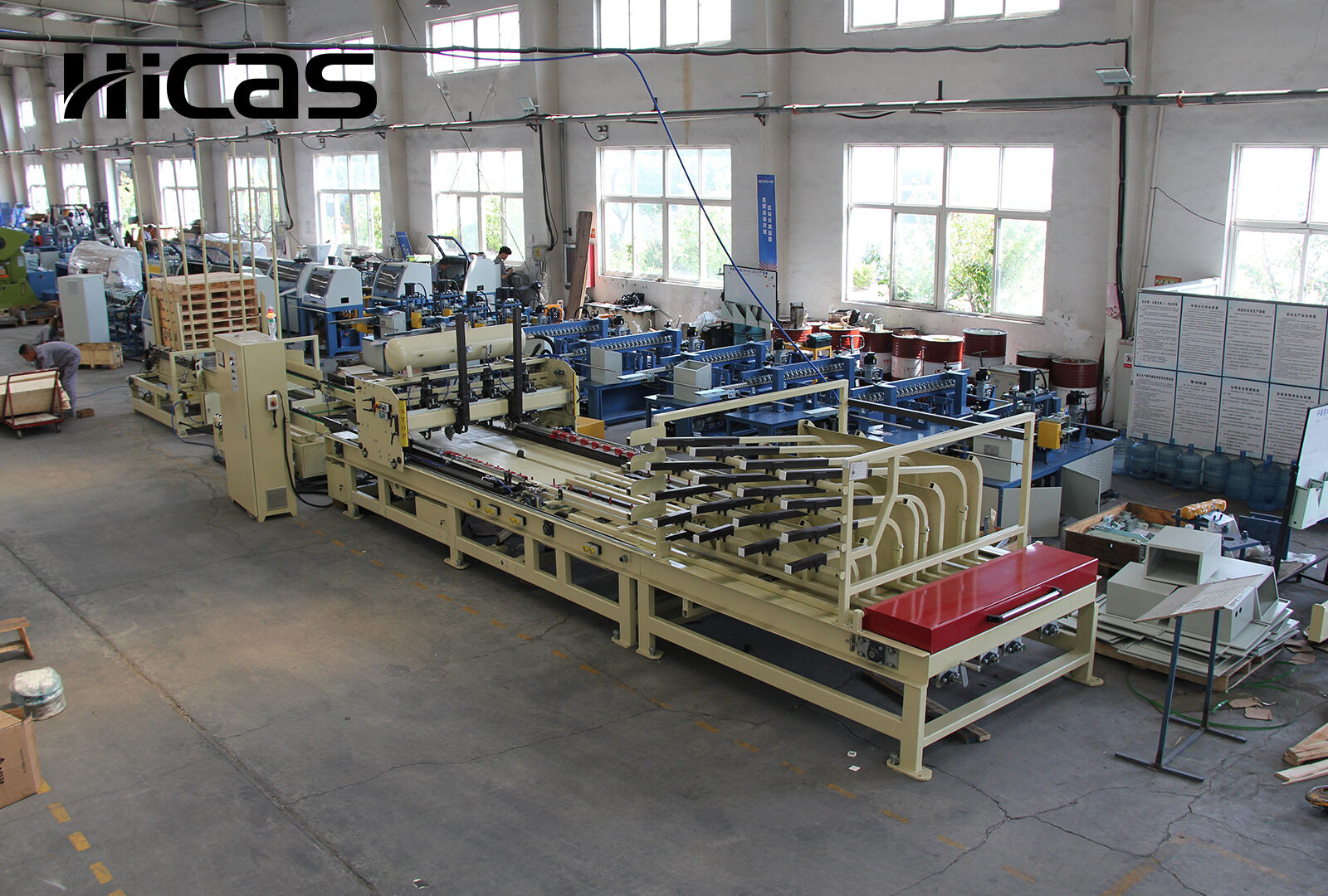
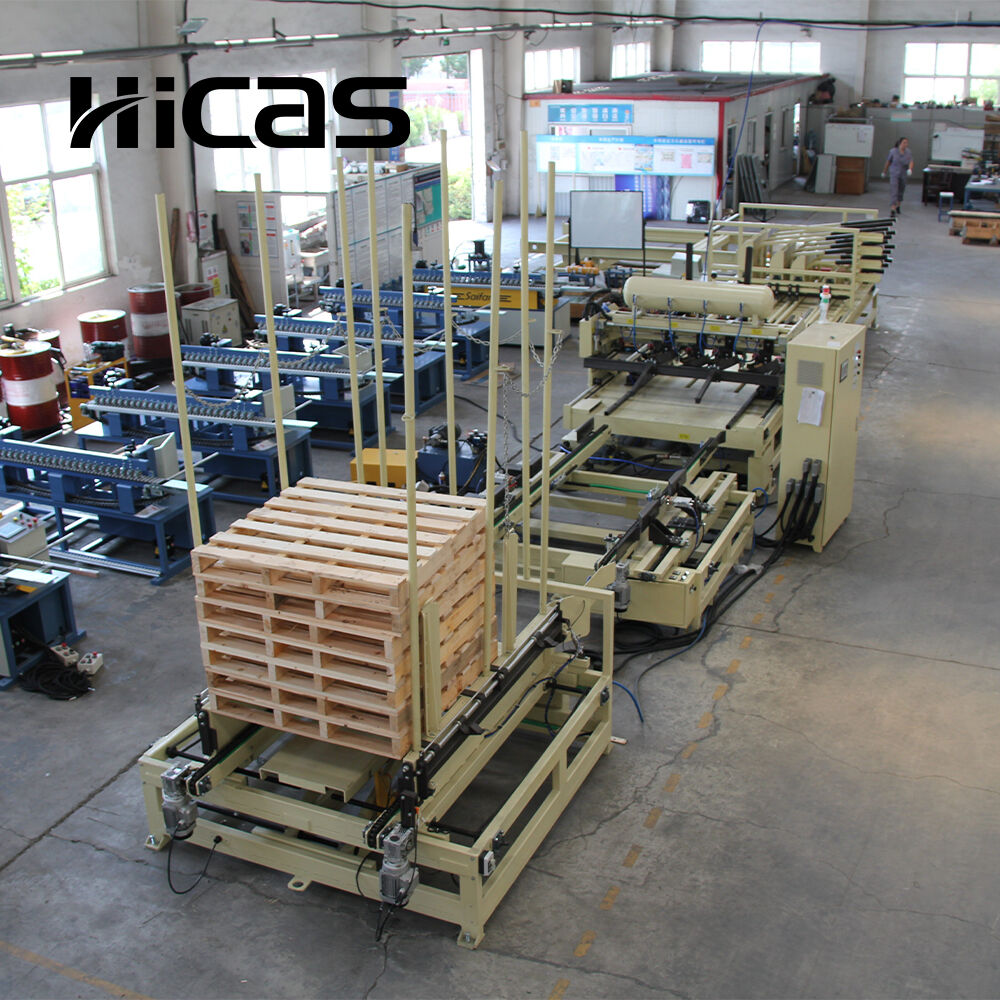
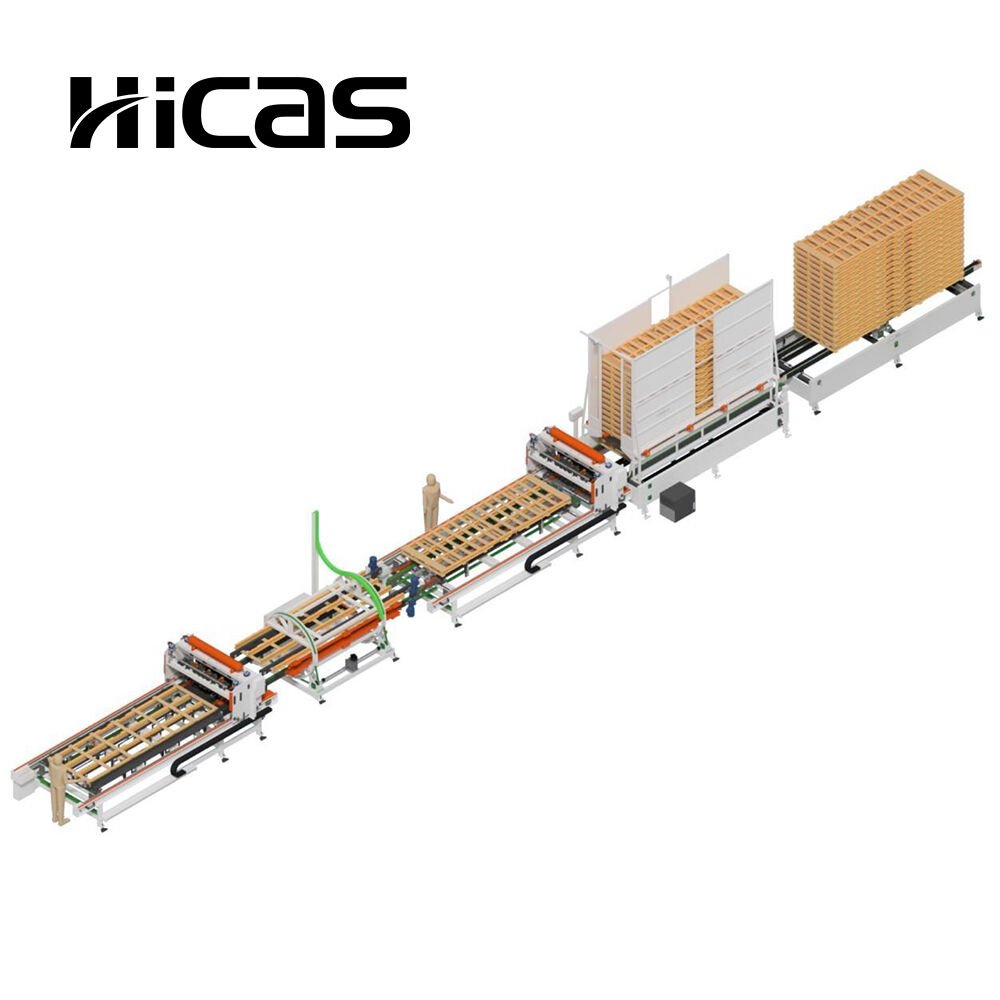
An automatic pallet nailing line is an advanced industrial production system designed to manufacture wooden pallets with minimal human intervention. This sophisticated machinery automates the entire pallet assembly process, from positioning wooden components to driving nails with precision and speed. The system typically consists of multiple integrated modules including automated feeding mechanisms, positioning systems, pneumatic or electric nail guns, and output conveyors that work seamlessly together. The automatic pallet nailing line can produce various pallet sizes and configurations, accommodating different industry standards such as EUR pallets, standard block pallets, and customized designs. Modern systems incorporate programmable logic controllers and touchscreen interfaces that allow operators to quickly adjust production parameters, monitor performance metrics, and switch between different pallet specifications. These production lines significantly enhance manufacturing efficiency by eliminating manual nailing operations, reducing labor costs, and maintaining consistent quality standards throughout production runs. The automatic pallet nailing line serves manufacturers who need high-volume pallet production capabilities while maintaining strict quality control. Industries ranging from logistics and warehousing to manufacturing and distribution rely on these automated systems to meet their pallet supply demands. With production speeds reaching up to 200 pallets per hour depending on configuration, these lines represent a substantial improvement over traditional manual or semi-automated methods, making them essential equipment for modern pallet manufacturing operations seeking competitive advantages in today's fast-paced market.

Popular Products

Investing in an automatic pallet nailing line delivers substantial cost savings through reduced labor requirements and increased production efficiency. Traditional pallet manufacturing requires multiple workers to position boards, align components, and manually drive nails, whereas automated systems accomplish these tasks with minimal supervision. This labor reduction translates directly to lower operational costs while simultaneously increasing output capacity. The precision engineering of these systems ensures consistent nail placement and penetration depth, resulting in stronger, more reliable pallets that meet or exceed industry quality standards. This consistency reduces product defects and customer complaints while enhancing your company's reputation for quality. Production speed represents another significant advantage, with automated lines producing pallets three to five times faster than manual operations. This increased throughput enables manufacturers to fulfill larger orders, respond quickly to market demands, and grow their business without proportional increases in workforce or facility space. Worker safety improves dramatically when implementing automated systems, as employees no longer face repetitive motion injuries or accidents associated with manual nail guns and heavy lifting. The automatic pallet nailing line creates a safer work environment while reducing workers' compensation claims and associated costs. Energy efficiency is optimized through intelligent power management systems that consume electricity only during active production cycles, lowering utility expenses compared to older equipment. Maintenance requirements remain minimal due to robust construction and readily available replacement parts, ensuring maximum uptime and long-term reliability. The flexibility to quickly change between different pallet designs without extensive retooling provides manufacturers with competitive agility to serve diverse customer requirements and adapt to changing market preferences, making this equipment a strategic asset for forward-thinking businesses.

Latest News

Applications of Wide Belt Sanders in the Metalworking Industry

18

Mar

Applications of Wide Belt Sanders in the Metalworking Industry

Wide-belt sanding technology for metals utilizes continuous sanding belts to achieve precise surface finishes in a variety of industrial applications. These automated systems maintain stable material removal rates via electric conveyor belts and ad...
View More
Automation Trends in Industrial Wood Packaging Equipment

26

Feb

Automation Trends in Industrial Wood Packaging Equipment

Robotic Palletizing and Assembly for Modern Wood Packaging Equipment Vision-Guided Robotic Systems for Precision Wooden Pallet Loading Wood packaging equipment now benefits from vision guided robotics that position materials with incredible precis...
View More
SF9025 Stringer Pallet Nailing Machine Basic Operation Instructions

02

Jun

SF9025 Stringer Pallet Nailing Machine Basic Operation Instructions

SF9025 Basic Operation Instructions ①. Power and Air Supply Connection 1. Connect the Air Supply Connect the compressed air source. (Ensure the air is dry and the air supply is sufficient.) Adjust the pressure regulator to meet the required nail...
View More
The basic operation of the SF9020 slab connection machine equipment

04

Jun

The basic operation of the SF9020 slab connection machine equipment

I. Operating Precautions This is a high-performance and advanced equipment. Before operating it, you must carefully read the equipment manual to operate and maintain it properly in various working environments, ensuring maximum safety. Ensure that th...
View More

Get a Free Quote

Our representative will contact you soon.
Email
Mobile
Name
Company Name
Message
0/1000

automatic pallet nailing line

High-Speed Automated Production Capability

High-Speed Automated Production Capability

The automatic pallet nailing line revolutionizes pallet manufacturing through its exceptional production speed and continuous operation capability. Advanced servo motors and pneumatic systems work in perfect synchronization to position lumber components and drive nails at remarkable speeds, achieving production rates that manual operations simply cannot match. The system's intelligent control algorithms optimize every movement, eliminating wasted motion and reducing cycle times to their absolute minimum. Automated feeding mechanisms continuously supply deck boards, stringers, and blocks to the assembly station, ensuring uninterrupted production flow without manual material handling delays. The line's ability to operate continuously for extended shifts maximizes equipment utilization and return on investment, generating substantial output volumes that enable manufacturers to scale their operations and capture larger market share. Quality remains consistent throughout high-speed operation thanks to precision sensors and positioning systems that verify component placement before each nailing cycle. This combination of speed and accuracy delivers the production capacity needed to meet demanding delivery schedules while maintaining the quality standards that customers expect from professional pallet manufacturers.
Versatile Design Flexibility and Quick Changeover

Versatile Design Flexibility and Quick Changeover

Modern automatic pallet nailing line systems offer remarkable versatility through programmable settings and adjustable tooling that accommodate diverse pallet specifications. Manufacturers can produce standard-sized pallets, custom dimensions, two-way or four-way entry designs, and various board configurations all on the same production line. Quick-change fixtures and tool-free adjustments enable operators to switch between different pallet designs in minutes rather than hours, minimizing downtime and maximizing productive capacity. The programmable control system stores multiple production recipes, allowing operators to recall specific settings instantly through the touchscreen interface without manual measurements or trial-and-error adjustments. This flexibility proves invaluable for manufacturers serving multiple industries or customers with varying pallet requirements, eliminating the need for multiple dedicated production lines. The system automatically adjusts nailing patterns, board spacing, and component positioning based on the selected program, ensuring consistent quality across all pallet types. This adaptability provides manufacturers with competitive advantages by enabling them to respond quickly to customer requests, prototype new designs efficiently, and diversify their product offerings without significant capital investment in additional equipment or extensive operator retraining.
Precision Engineering for Superior Pallet Quality

Precision Engineering for Superior Pallet Quality

The automatic pallet nailing line incorporates advanced sensors, positioning systems, and quality control mechanisms that guarantee superior pallet construction compared to manual methods. Laser-guided alignment systems ensure perfect board placement within millimeter tolerances, creating pallets with consistent dimensions and appearance that meet strict industry specifications. Nail depth control systems automatically adjust driving force based on wood density and moisture content, preventing over-penetration that weakens connections or under-penetration that compromises structural integrity. This precision nailing creates stronger joints that enhance pallet load capacity and durability, reducing product damage during shipping and extending pallet service life. Automated quality inspection systems integrated into the production line detect missing nails, misaligned boards, or defective components in real-time, rejecting substandard pallets before they enter inventory. This built-in quality assurance eliminates the variability inherent in manual production, where worker fatigue, distraction, or skill differences can result in inconsistent output. The repeatable precision of automated systems means every pallet meets the same exacting standards, building customer confidence and reducing warranty claims. Superior quality translates to competitive differentiation, premium pricing opportunities, and long-term customer relationships based on reliability and performance consistency.