Pallet Manufacturing Equipment for Sale

L
O
A
D
I
N
G

Get a Free Quote

Our representative will contact you soon.
Email
Mobile
Name
Company Name
Message
0/1000

pallet manufacturing equipment for sale

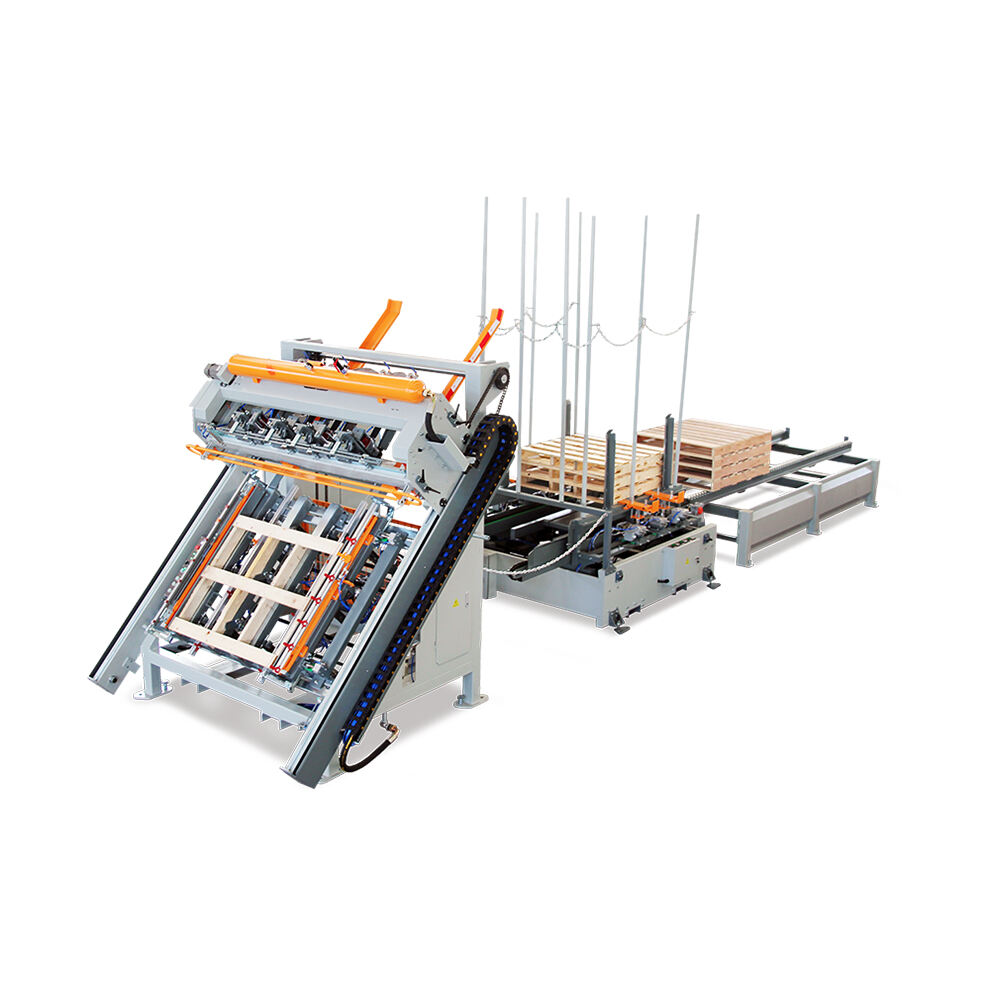
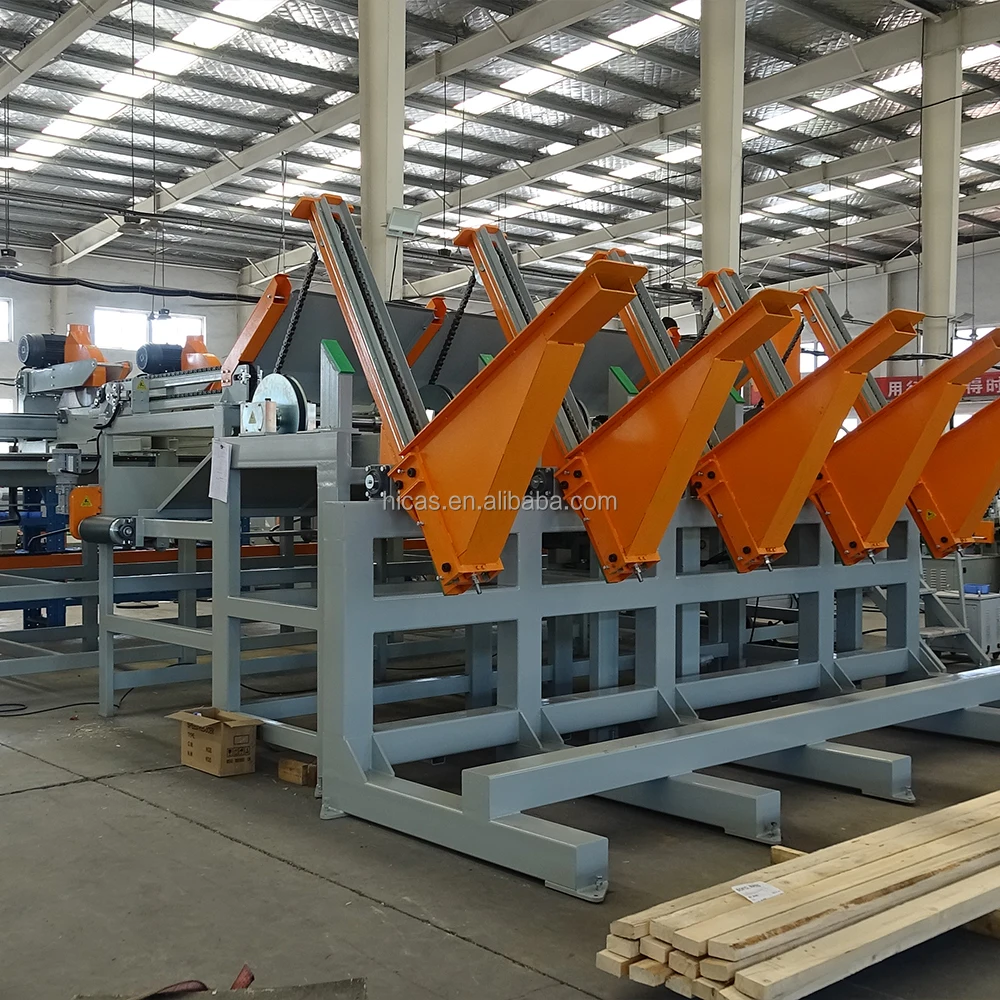
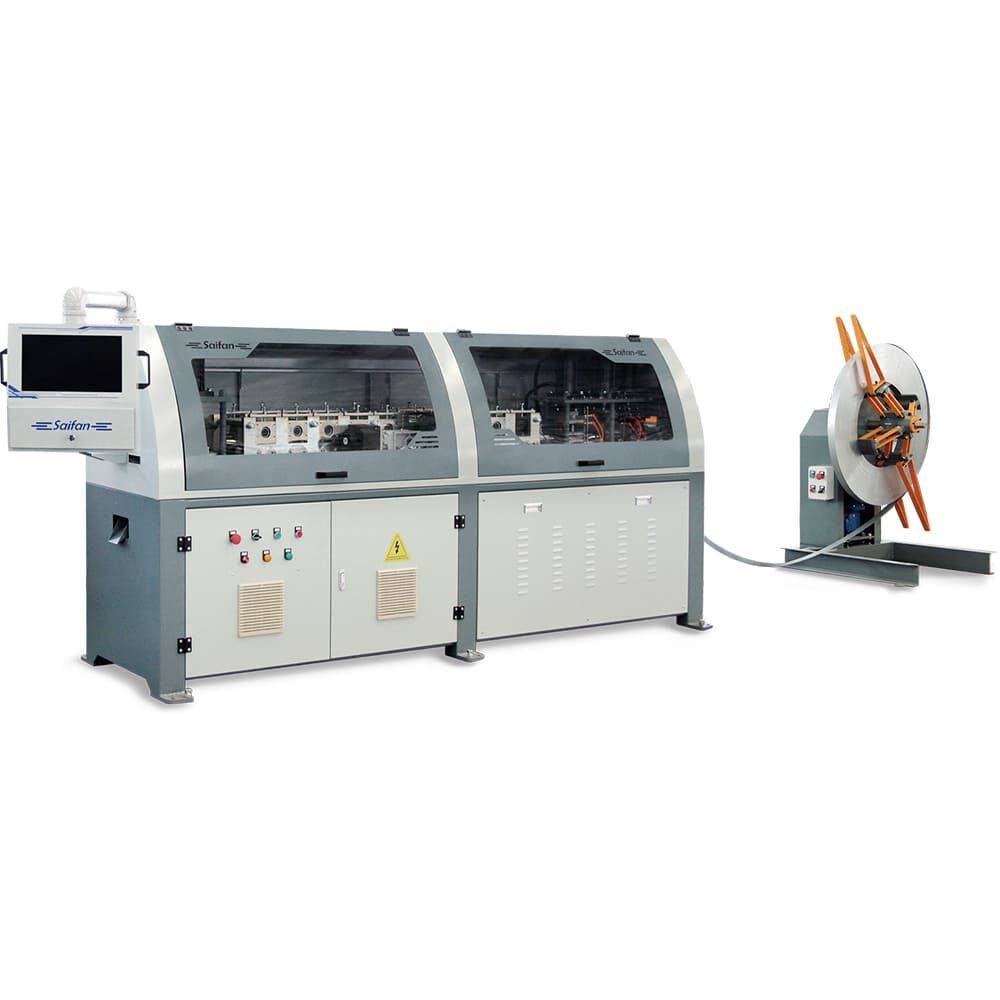
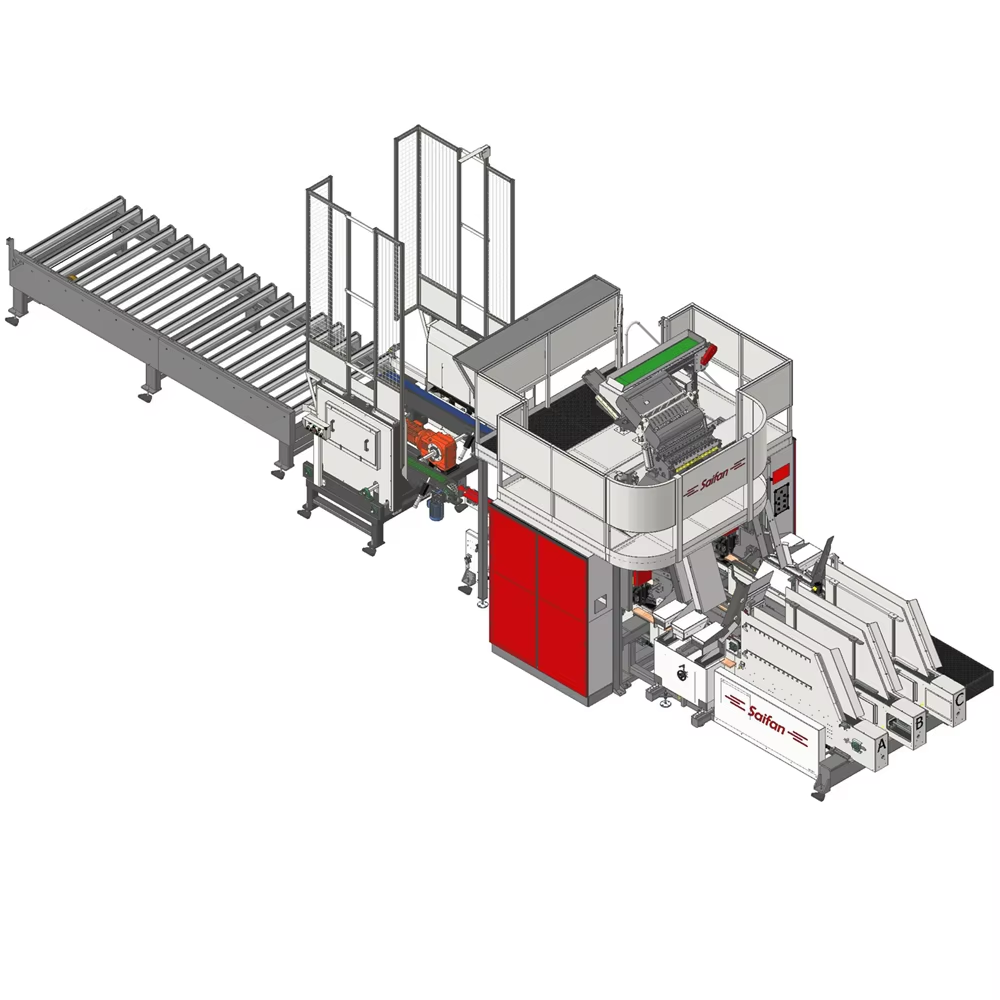
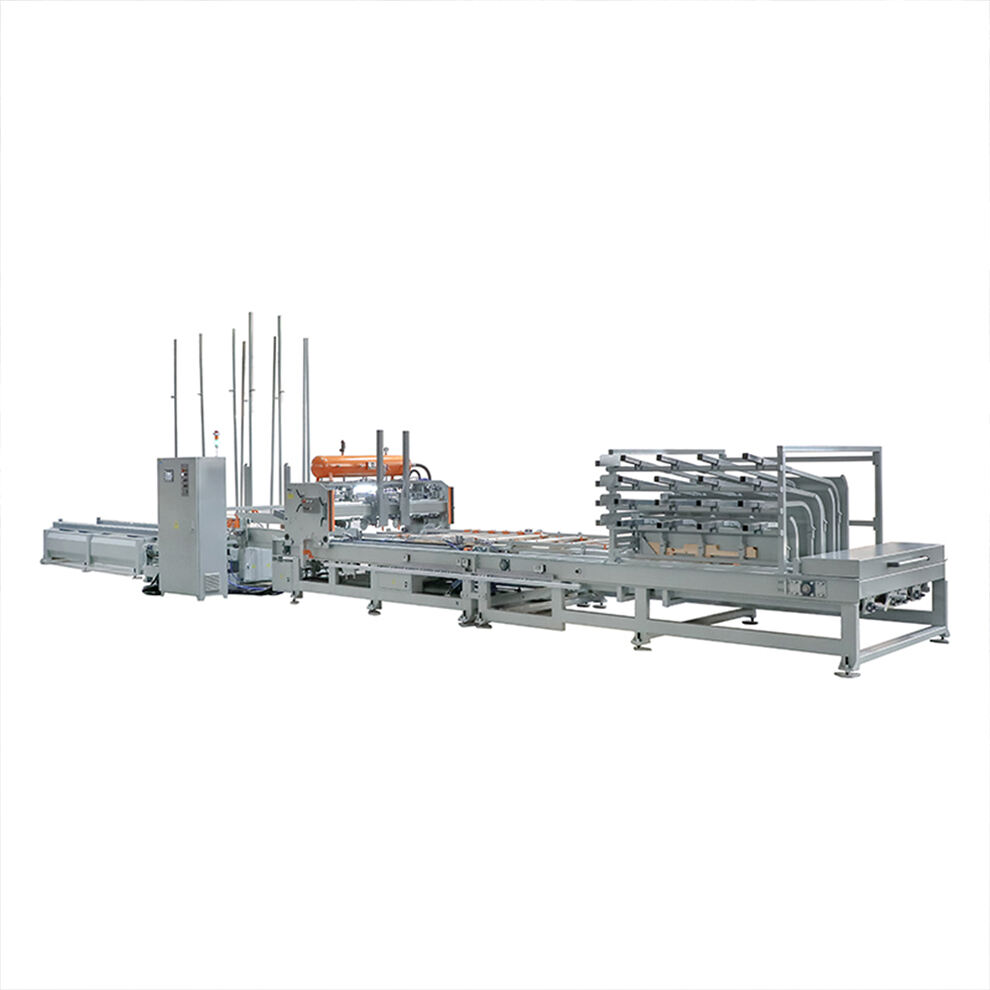
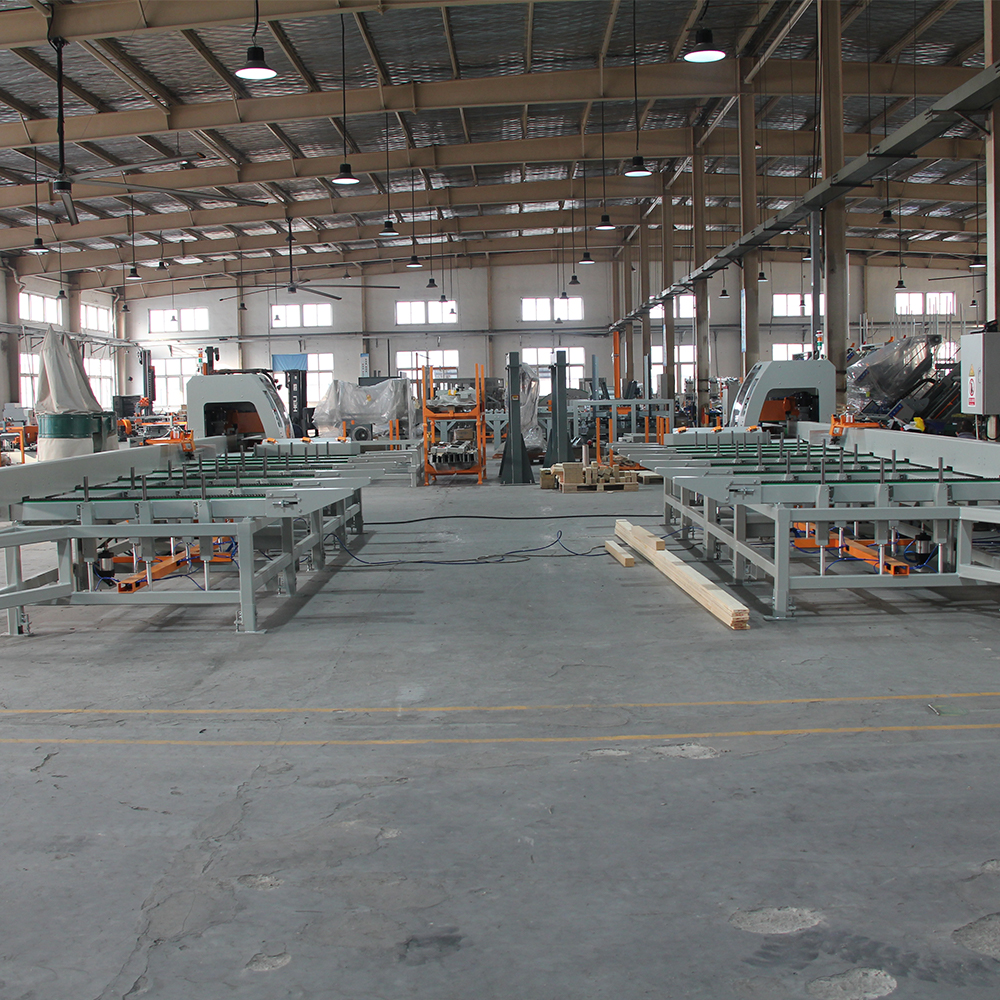
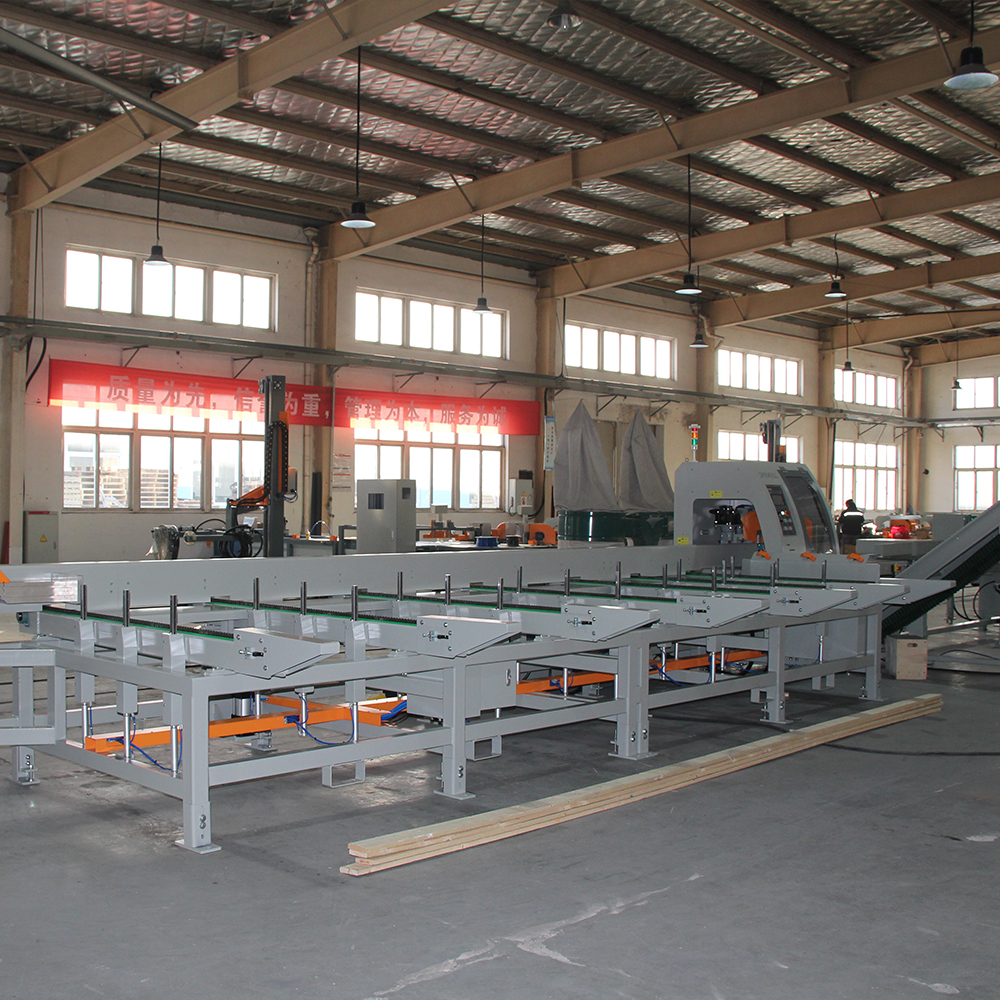
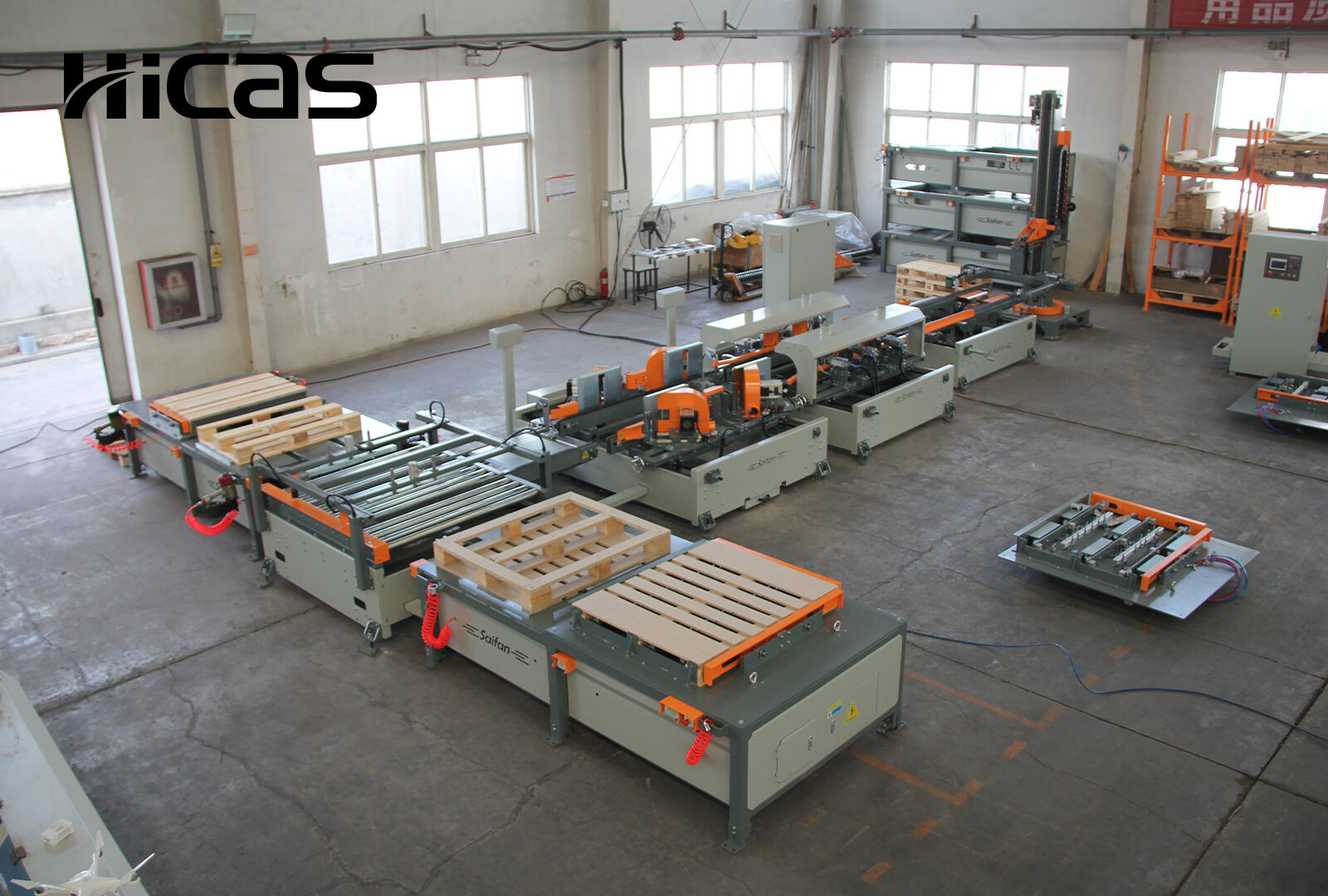
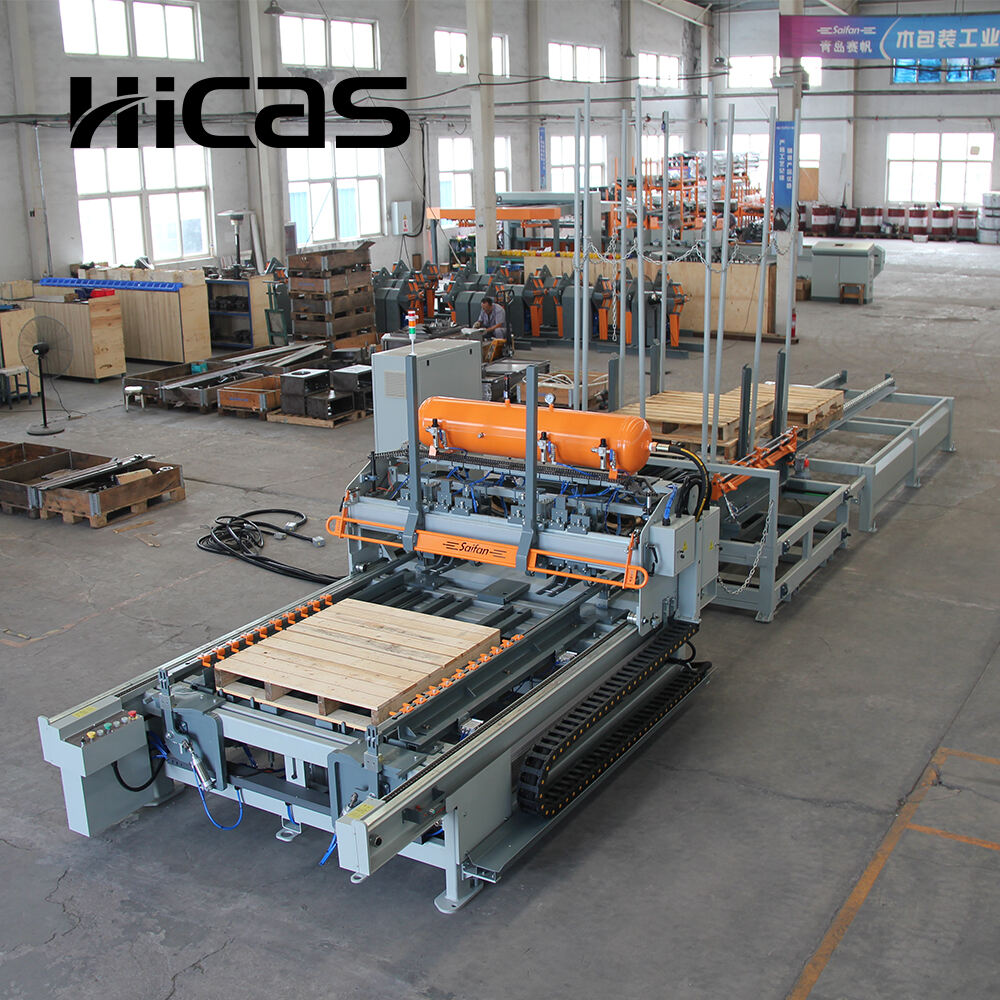
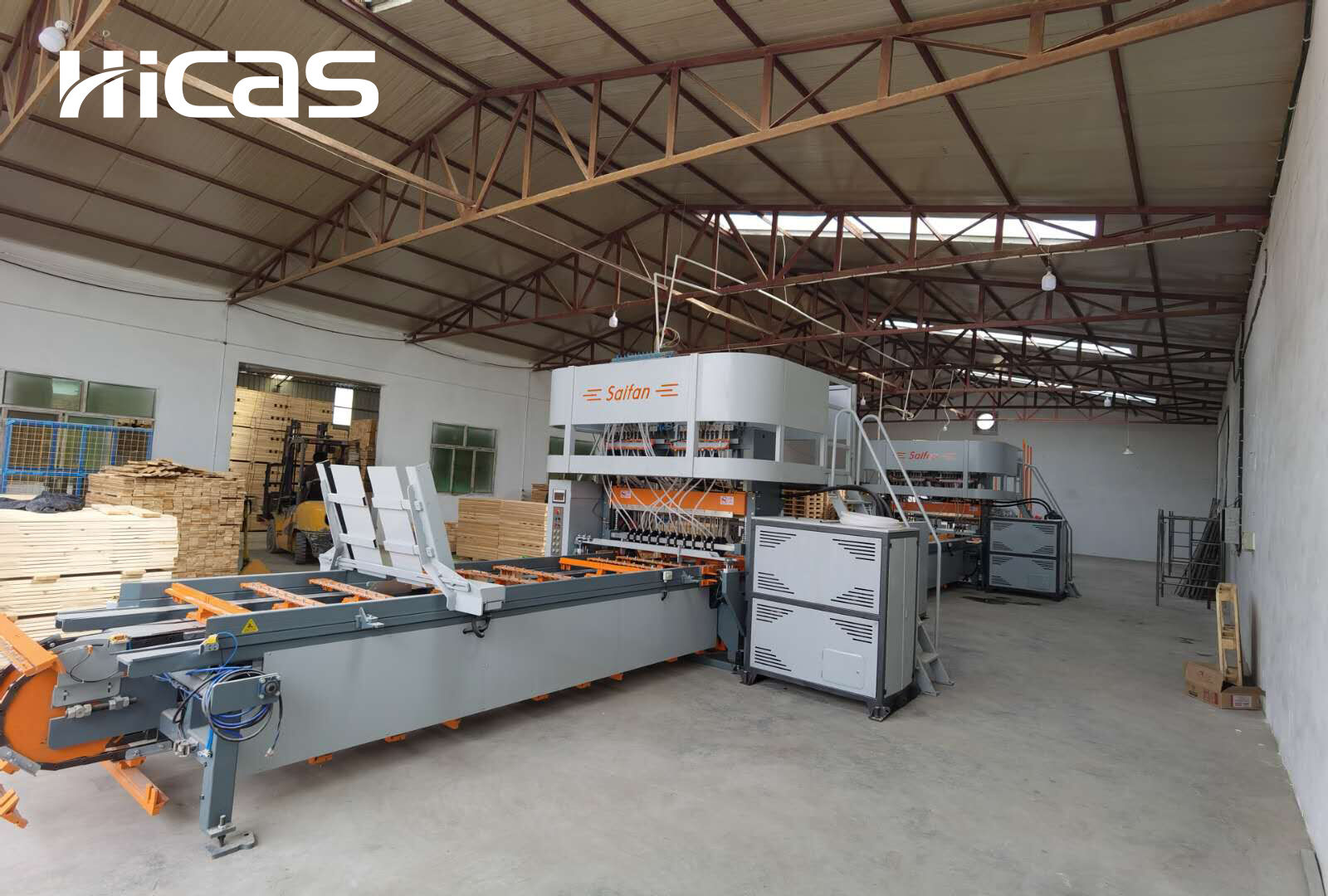
Pallet manufacturing equipment for sale offers comprehensive solutions for businesses seeking to produce high-quality wooden, plastic, or composite pallets efficiently. This industrial machinery encompasses a range of automated and semi-automated systems designed to streamline the entire pallet production process, from raw material preparation to final assembly. Modern pallet manufacturing equipment for sale includes automated nail guns, pallet assembly machines, block cutting saws, stringers notchers, and complete production lines that integrate multiple functions into a cohesive workflow. These systems utilize advanced pneumatic and hydraulic technologies to ensure precise cutting, accurate positioning, and consistent fastening of pallet components. The equipment is engineered to handle various pallet specifications, including standard sizes and custom dimensions, making it suitable for manufacturers serving diverse industries such as logistics, warehousing, retail, and manufacturing. With capacities ranging from small-scale operations producing hundreds of pallets daily to large industrial facilities manufacturing thousands of units, pallet manufacturing equipment for sale provides scalable solutions for different production requirements. The machinery features robust construction using heavy-duty steel frames and wear-resistant components, ensuring long-term reliability in demanding production environments. Advanced control systems enable operators to adjust settings quickly, monitor production metrics, and maintain consistent quality standards throughout the manufacturing process, making this equipment an essential investment for businesses entering or expanding in the pallet production industry.

New Products

Investing in pallet manufacturing equipment for sale delivers substantial operational benefits that directly impact your bottom line. First, automation significantly reduces labor costs by minimizing manual handling and enabling smaller crews to achieve higher output levels. Machines perform repetitive tasks faster and more accurately than manual methods, allowing your workforce to focus on quality control and supervision rather than physically demanding assembly work. Second, production speed increases dramatically with dedicated machinery, enabling you to fulfill larger orders, meet tight deadlines, and respond quickly to market demand fluctuations. Third, consistency improves as automated systems eliminate human error in measurements, cuts, and fastening, resulting in uniform products that meet strict industry standards and customer specifications. Fourth, material waste decreases through precise cutting and optimized material usage, reducing raw material costs and improving profit margins on each pallet produced. Fifth, workplace safety improves as workers operate equipment from safe positions rather than performing hazardous manual nailing and cutting tasks, reducing injury risks and associated costs. Sixth, versatility allows you to produce multiple pallet types and sizes without purchasing entirely new equipment, simply by adjusting settings and tooling configurations. Seventh, the equipment's durability ensures years of reliable service with proper maintenance, providing excellent return on investment compared to outsourcing production or relying on manual methods. Finally, owning pallet manufacturing equipment for sale gives you complete control over production scheduling, quality standards, and capacity expansion, enabling strategic business growth without dependency on external suppliers or manufacturers who may have conflicting priorities or limited availability during peak seasons.

Latest News

Automation Trends in Industrial Wood Packaging Equipment

26

Feb

Automation Trends in Industrial Wood Packaging Equipment

Robotic Palletizing and Assembly for Modern Wood Packaging Equipment Vision-Guided Robotic Systems for Precision Wooden Pallet Loading Wood packaging equipment now benefits from vision guided robotics that position materials with incredible precis...
View More
The Role of Conveyor Automation in Wooden Pallet Production Lines

28

Feb

The Role of Conveyor Automation in Wooden Pallet Production Lines

Why Conveyor Automation Is Essential for Modern Wooden Pallet Production LinesConveyor automation gets rid of those pesky manual handling bottlenecks that cause roughly 18% of all delays when making wooden pallets. Traditional approaches just can&apo...
View More
SF 7013S Automatic Double-Head Slotting Machine - Basic Operation and Equipment Maintenance and Lubrication

18

Jun

SF 7013S Automatic Double-Head Slotting Machine - Basic Operation and Equipment Maintenance and Lubrication

I. Operating Precautions 1. Ensure that the equipment is connected to the ground wire. 2. Personal belongings can cause serious injuries. Before starting the machine, place watches, bracelets, etc. properly, fasten the cuffs, tie up long hair, r...
View More
Common Faults and Troubleshooting Methods for the SF9026 Nail-Drilling Production Line

18

Jun

Common Faults and Troubleshooting Methods for the SF9026 Nail-Drilling Production Line

1.Position deviation of the nail placement A: The nail placement is not at the center of the crossbeam - adjust the position of the nail gun B: The nails are overall off-center - adjust the "probe offset" value in the nail placement parameters ...
View More

Get a Free Quote

Our representative will contact you soon.
Email
Mobile
Name
Company Name
Message
0/1000

pallet manufacturing equipment for sale

Advanced Automation Technology Reduces Production Time

Advanced Automation Technology Reduces Production Time

Modern pallet manufacturing equipment for sale incorporates sophisticated automation features that transform production efficiency. These systems utilize programmable logic controllers and servo-driven mechanisms that coordinate multiple operations simultaneously, dramatically reducing cycle times compared to manual assembly methods. Automated feeding systems position lumber accurately without operator intervention, while precision sensors verify component placement before fastening begins. Pneumatic nail guns fire multiple fasteners in rapid succession with consistent depth and spacing, eliminating the variability inherent in hand nailing. Advanced models feature automatic pallet ejection and stacking systems that remove finished products from the assembly area and organize them for easy transportation, further reducing handling time and labor requirements. The integration of these technologies allows a single operator to supervise equipment that produces what would traditionally require multiple workers, fundamentally changing the economics of pallet manufacturing. Additionally, quick-change tooling systems enable rapid transitions between different pallet specifications, minimizing downtime and maximizing productive hours. This level of automation not only accelerates production but also creates predictable output rates that facilitate accurate scheduling and reliable customer delivery commitments.
Robust Construction Ensures Long-Term Reliability

Robust Construction Ensures Long-Term Reliability

Pallet manufacturing equipment for sale is engineered with industrial-grade components specifically selected to withstand the demanding conditions of continuous production environments. Heavy-duty steel frames provide rigid platforms that resist vibration and maintain precise alignment even after years of operation, ensuring consistent product quality over the equipment's lifespan. Critical wear points incorporate hardened steel or carbide surfaces that resist abrasion from constant contact with rough lumber and fasteners, significantly extending service intervals and reducing maintenance costs. Hydraulic and pneumatic systems use commercial-grade cylinders, valves, and fittings designed for millions of cycles, delivering reliable performance shift after shift without unexpected failures. Electrical components are housed in sealed enclosures that protect sensitive controls from sawdust, moisture, and temperature variations common in manufacturing facilities. This robust construction philosophy means equipment maintains its performance characteristics long after initial installation, protecting your capital investment and ensuring predictable operating costs. Manufacturers back this durability with comprehensive warranties and readily available replacement parts, minimizing downtime risks. The combination of thoughtful engineering and quality materials creates machinery that serves as a dependable production foundation, allowing you to focus on growing your business rather than constantly repairing equipment.
Flexible Configuration Accommodates Diverse Production Needs

Flexible Configuration Accommodates Diverse Production Needs

One of the most valuable aspects of pallet manufacturing equipment for sale is its adaptability to different production requirements and business scales. Entry-level systems offer semi-automated solutions perfect for small operations or businesses testing the pallet manufacturing market, providing significant productivity improvements over manual methods without requiring massive capital investment. Mid-range equipment delivers fully automated assembly with moderate throughput suitable for regional suppliers serving local markets with steady demand. High-capacity production lines integrate multiple machines into synchronized systems capable of producing thousands of pallets daily for large-scale operations serving national distribution networks. Beyond throughput variations, equipment accommodates different pallet types including block pallets, stringer pallets, two-way and four-way entry designs, and various size specifications from small specialty pallets to large industrial formats. Adjustable cutting stations, interchangeable tooling packages, and programmable control systems allow manufacturers to switch between product types efficiently, supporting diverse customer bases without maintaining separate production facilities. This flexibility extends to material compatibility, with equipment capable of processing various wood species, engineered lumber products, and alternative materials, enabling manufacturers to optimize material costs and respond to supply chain dynamics while maintaining consistent production capabilities.