Pallet Manufacturing Machinery Solutions

L
O
A
D
I
N
G

Get a Free Quote

Our representative will contact you soon.
Email
Mobile
Name
Company Name
Message
0/1000

pallet manufacturing machinery

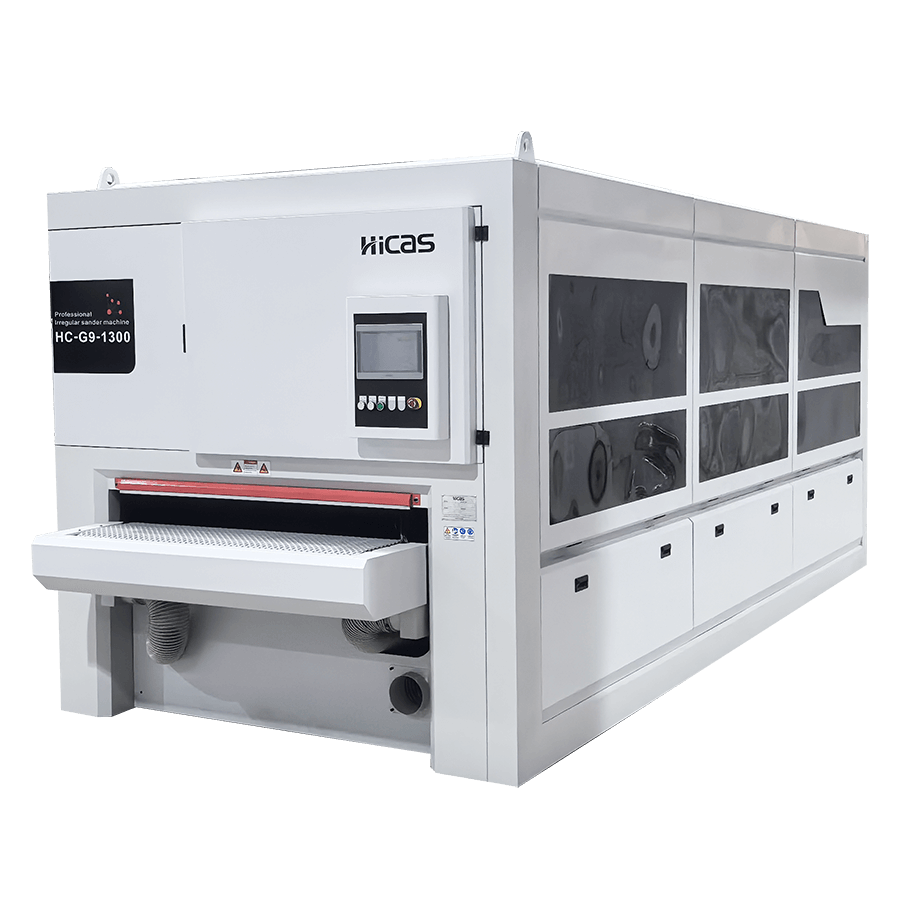
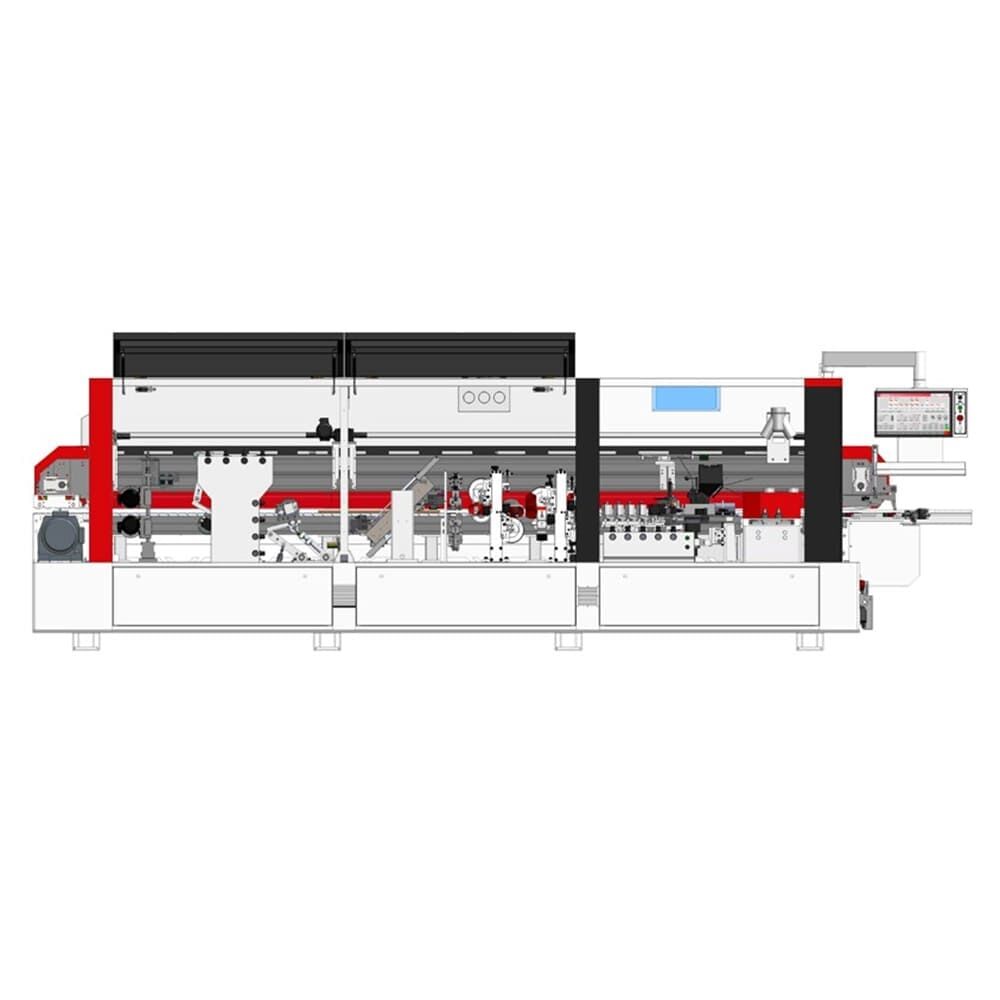
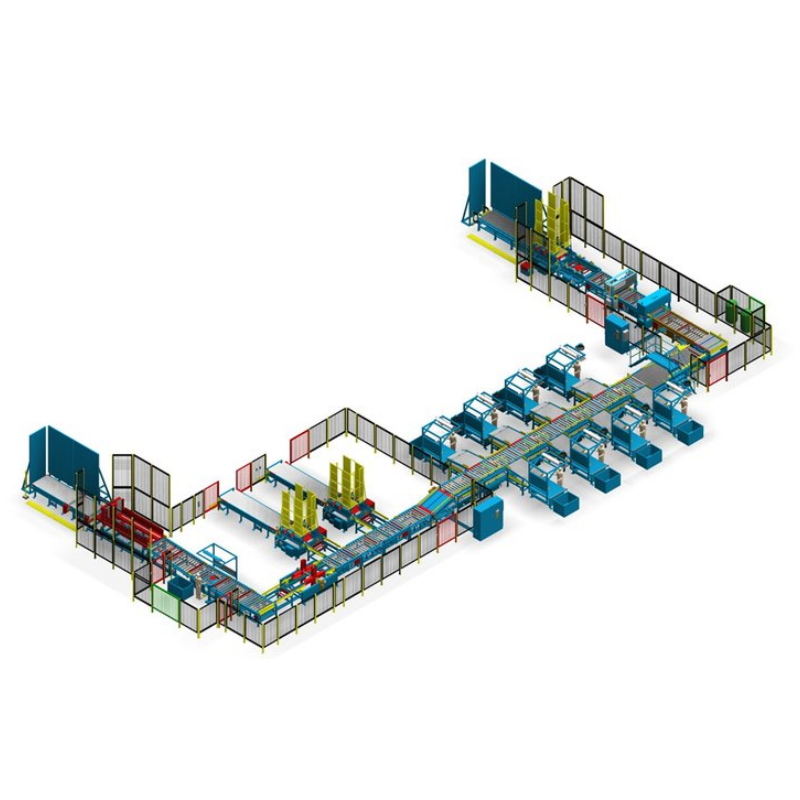
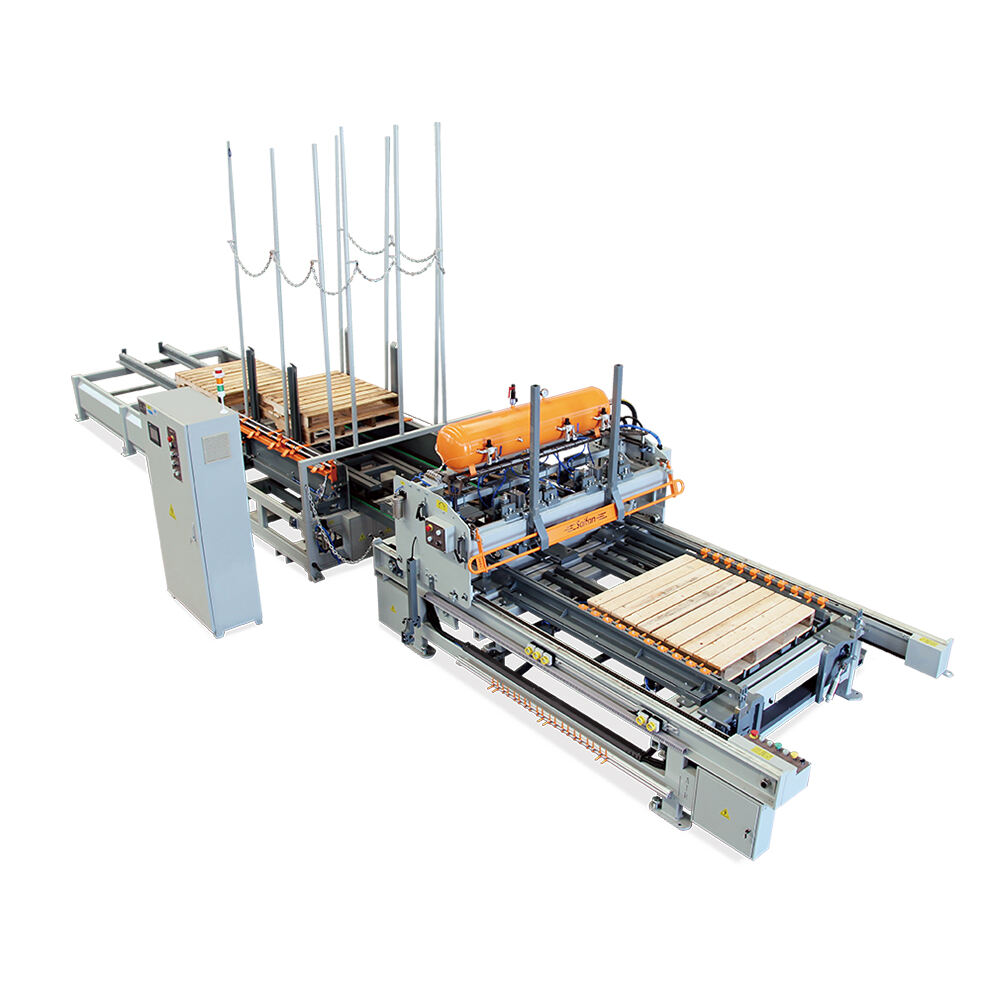
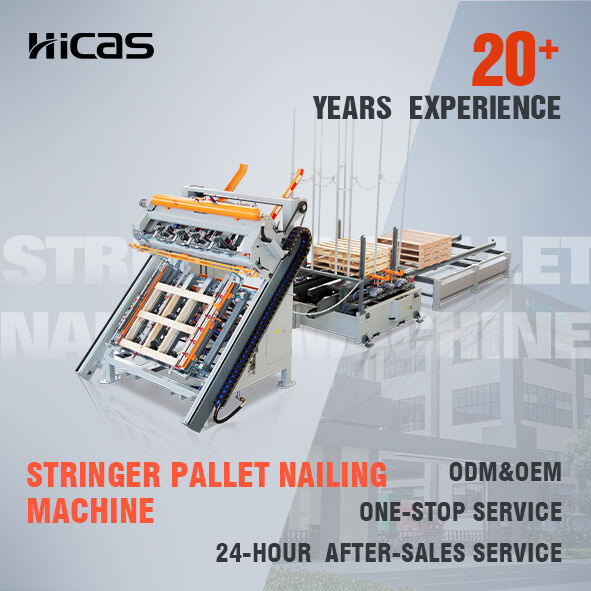
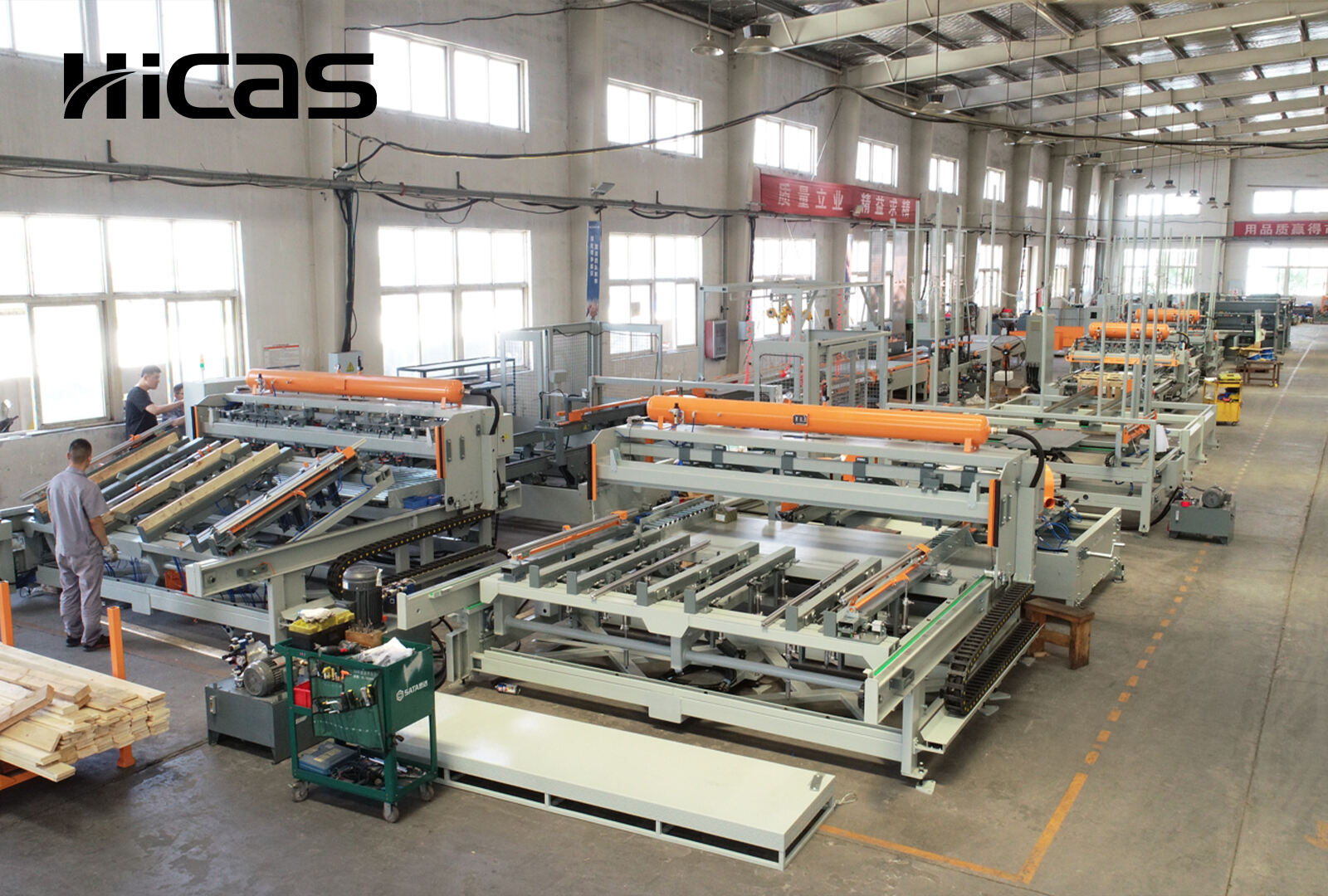
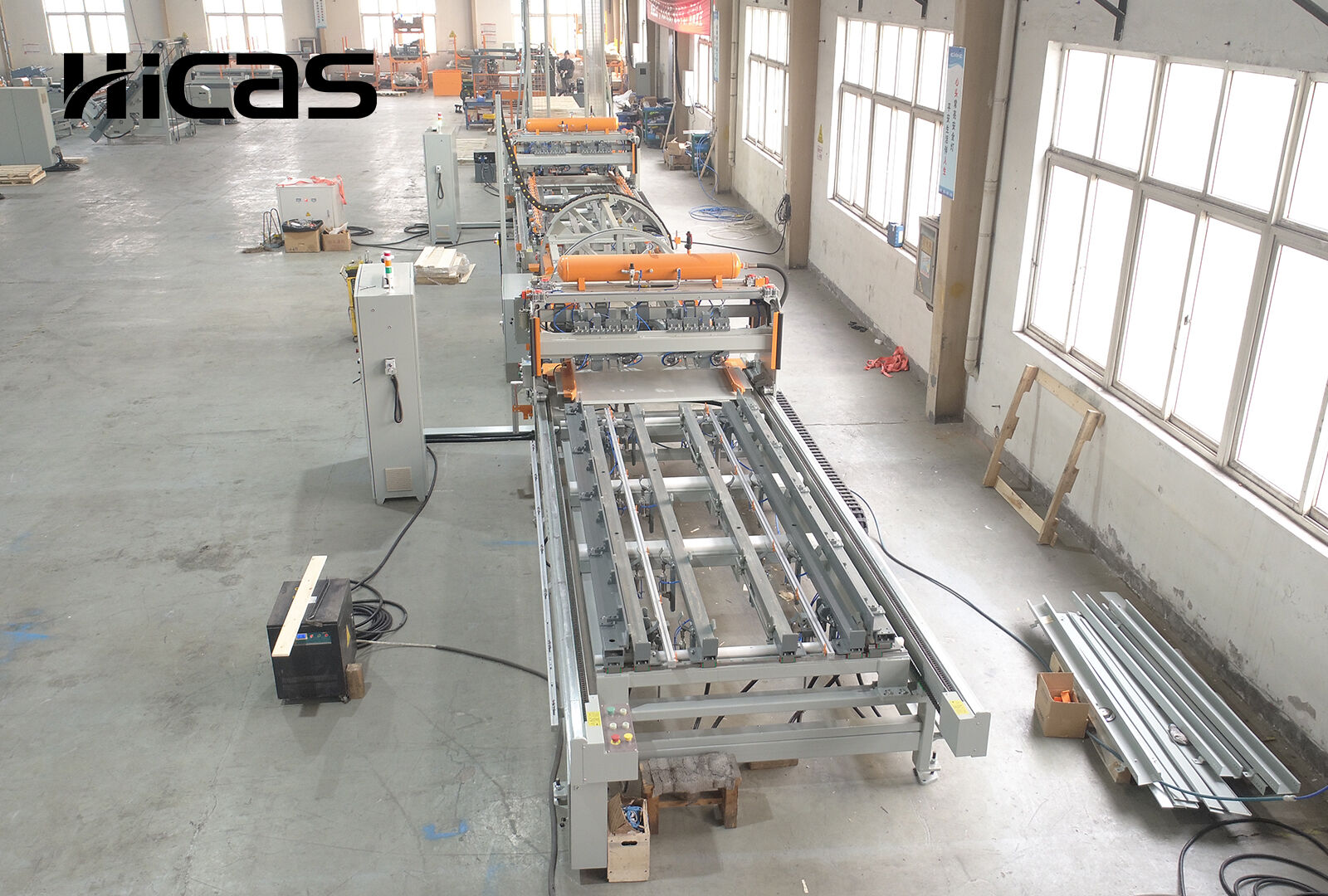
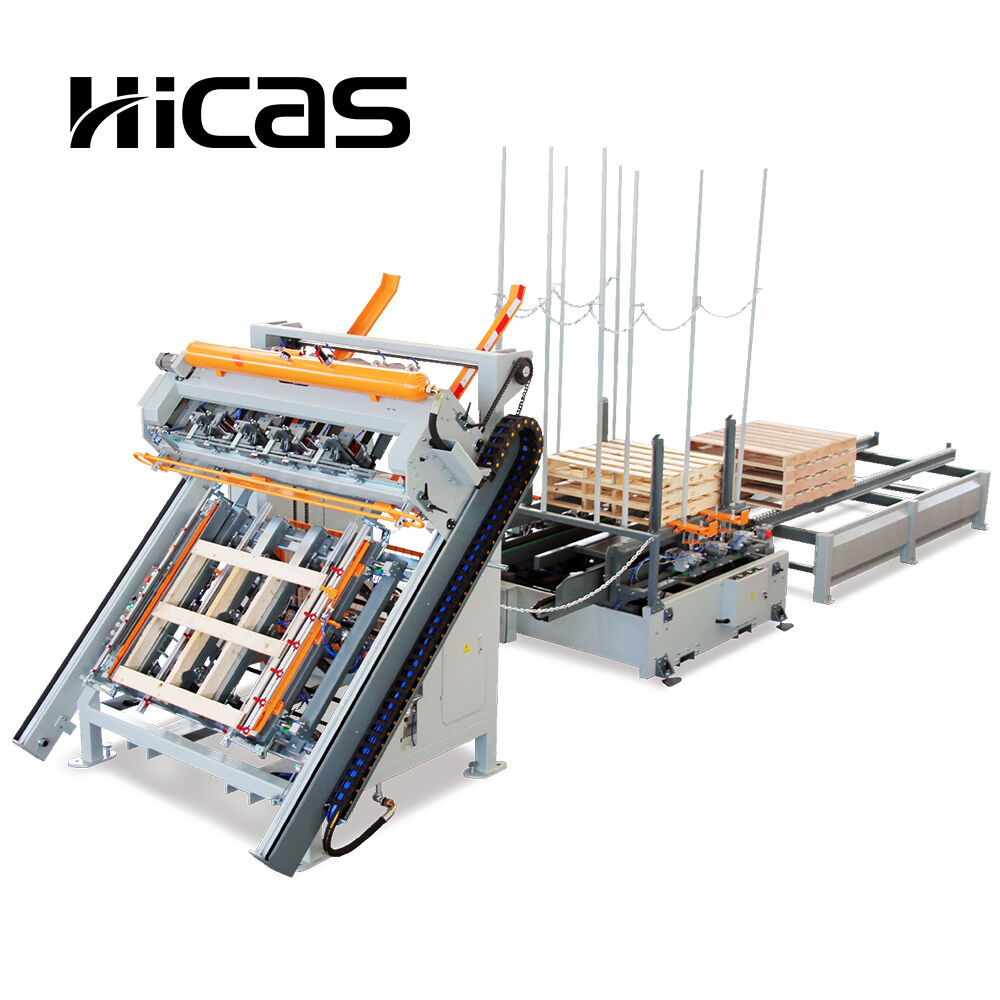
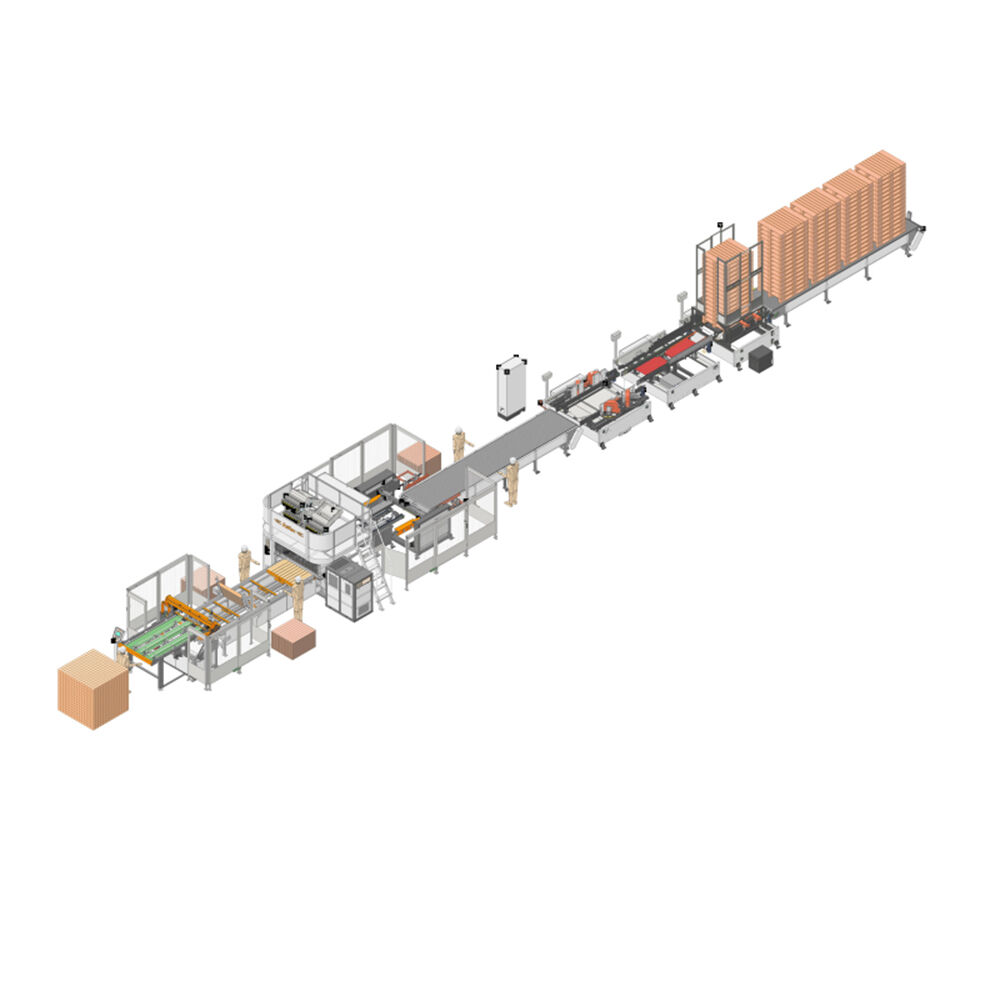
Pallet manufacturing machinery represents a critical investment for businesses involved in logistics, warehousing, and material handling operations. This specialized equipment automates the production of wooden, plastic, or composite pallets that serve as essential platforms for storing and transporting goods across supply chains. Modern pallet manufacturing machinery encompasses a range of automated systems including pallet assembly machines, nail driving units, cutting stations, and notching equipment that work together to produce pallets efficiently and consistently. These machines utilize advanced pneumatic, hydraulic, and electric technologies to precisely cut lumber to specification, position components accurately, and secure them with nails or fasteners in rapid succession. The technological features of contemporary pallet manufacturing machinery include programmable logic controllers for process automation, servo-driven positioning systems for accuracy, and safety interlocks to protect operators. Many systems offer modular configurations that allow manufacturers to scale production capacity according to demand while maintaining quality standards. Applications span multiple industries, from food and beverage distribution to pharmaceutical logistics and retail supply chains. Whether producing standard-sized pallets for general use or custom dimensions for specialized applications, pallet manufacturing machinery delivers the speed, precision, and reliability needed to meet market demands. The equipment accommodates various pallet designs including two-way entry, four-way entry, stringer pallets, and block pallets, making it versatile for diverse production requirements across manufacturing facilities worldwide.

New Product Releases

Investing in pallet manufacturing machinery delivers substantial cost savings by reducing labor expenses and minimizing material waste through precise cutting and assembly processes. Automated production eliminates the inconsistencies associated with manual pallet construction, ensuring every unit meets exact specifications and quality standards. This consistency translates directly into safer material handling operations, as uniformly constructed pallets reduce the risk of product damage during transportation and storage. The machinery significantly increases production capacity, enabling businesses to manufacture hundreds or even thousands of pallets per shift compared to manual methods that produce only dozens. This enhanced throughput allows companies to meet growing demand without proportionally increasing workforce size, improving overall operational efficiency and profitability. The equipment offers remarkable flexibility, quickly adapting to different pallet sizes and configurations through adjustable settings and interchangeable tooling, which means manufacturers can serve diverse customer requirements without maintaining multiple production lines. Businesses gain competitive advantages through faster order fulfillment and the ability to respond quickly to market opportunities. The durability and reliability of modern pallet manufacturing machinery minimize downtime, with robust construction designed for continuous operation in demanding industrial environments. Maintenance requirements remain manageable, with accessible components and straightforward servicing procedures that keep equipment running optimally. For companies considering vertical integration or entering the pallet manufacturing sector, this machinery provides a clear pathway to establishing profitable production capabilities. The return on investment typically materializes within months as labor savings, increased output, and reduced waste compound over time, making pallet manufacturing machinery a financially sound decision for forward-thinking businesses.

Practical Tips

How Pallet Stacking Systems Improve Warehouse Efficiency in Pallet Factories

28

Feb

How Pallet Stacking Systems Improve Warehouse Efficiency in Pallet Factories

Maximizing Vertical Space with Pallet Stacking Systems Overcoming Floor-Based Storage Limitations Through Height-Optimized Racking Most warehouses end up wasting around two thirds of their total space when they rely on traditional floor storage metho...
View More
How Automated Painting Lines Enhance Efficiency in Furniture Production

27

Mar

How Automated Painting Lines Enhance Efficiency in Furniture Production

Accelerating Production Throughput with Automatic Painting Lines Robotic Spray Arms and Synchronized Conveyance Boost Cycle Speed Today's automated spray painting systems combine robotic arms with smart conveyor technology to boost furniture manuf...
View More
Why Integrated Coating Sanding and Painting Lines Are Critical for Modern Wood Factories

27

Mar

Why Integrated Coating Sanding and Painting Lines Are Critical for Modern Wood Factories

Boosting Throughput and Consistency with Fully Integrated Wood Coating Machines Bottleneck Elimination: How Fragmented Finishing Slows High-Mix Wood Production In wood manufacturing shops that handle lots of different products, broken up finishing...
View More
SF9025 Stringer Pallet Nailing Machine Basic Operation Instructions

02

Jun

SF9025 Stringer Pallet Nailing Machine Basic Operation Instructions

SF9025 Basic Operation Instructions ①. Power and Air Supply Connection 1. Connect the Air Supply Connect the compressed air source. (Ensure the air is dry and the air supply is sufficient.) Adjust the pressure regulator to meet the required nail...
View More

Get a Free Quote

Our representative will contact you soon.
Email
Mobile
Name
Company Name
Message
0/1000

pallet manufacturing machinery

Advanced Automation and Precision Engineering

Advanced Automation and Precision Engineering

Modern pallet manufacturing machinery incorporates sophisticated automation technologies that revolutionize production efficiency and quality control. Computer-controlled systems manage every aspect of the manufacturing process, from lumber feeding and positioning to cutting, notching, and assembly operations. Servo motors and pneumatic actuators work in concert to position components with millimeter-level accuracy, ensuring consistent spacing and alignment across every pallet produced. Programmable logic controllers allow operators to store multiple pallet configurations in memory, enabling rapid changeovers between different product specifications without manual adjustments or complex retooling procedures. Integrated sensors continuously monitor production parameters, detecting irregularities in material dimensions or assembly issues before defective pallets reach completion. This real-time quality assurance capability reduces waste and ensures compliance with industry standards and customer specifications. The precision engineering embedded in pallet manufacturing machinery extends equipment lifespan by minimizing mechanical stress and wear, while simultaneously maximizing output quality. These advanced features empower manufacturers to compete effectively in markets demanding high-volume production with unwavering consistency and quality.
Versatile Production Capabilities for Market Adaptability

Versatile Production Capabilities for Market Adaptability

The inherent versatility of pallet manufacturing machinery enables producers to address diverse market segments and respond dynamically to changing customer requirements. Equipment configurations accommodate multiple pallet styles including stringer pallets, block pallets, two-way entry designs, and four-way entry configurations that serve different logistics applications. Adjustable cutting stations handle lumber dimensions ranging from light-duty pallet components to heavy-duty industrial specifications, while modular nail driving units can be configured for various fastening patterns depending on load-bearing requirements. This adaptability proves invaluable for manufacturers serving multiple industries with distinct pallet specifications, eliminating the need for separate dedicated production lines. Quick-change tooling systems allow operators to transition between pallet sizes within minutes rather than hours, maximizing equipment utilization and minimizing idle time. The machinery accommodates various wood species, recycled materials, and alternative substrates including plastic composites, positioning manufacturers to capitalize on emerging sustainability trends and material innovations. This production flexibility creates competitive differentiation, enabling businesses to accept custom orders, pursue niche markets, and build diverse customer portfolios that stabilize revenue streams against market fluctuations.
Cost Efficiency Through Optimized Material Utilization

Cost Efficiency Through Optimized Material Utilization

Pallet manufacturing machinery delivers exceptional cost efficiency by maximizing material utilization and minimizing waste throughout the production process. Precision cutting systems optimize lumber usage by calculating the most efficient cutting patterns that extract maximum usable components from each board, reducing offcut waste that represents lost material investment. Automated measuring and positioning eliminate human error that often results in miscuts and rejected components in manual operations. The consistent assembly process ensures uniform nail placement and fastener consumption, preventing the material overuse common in less controlled production environments. Energy-efficient drive systems and optimized motion profiles reduce electrical consumption compared to older mechanical systems, lowering operational costs while supporting environmental sustainability objectives. Reduced material waste directly impacts profitability, as lumber and fasteners represent the primary variable costs in pallet production. The machinery's ability to process reclaimed lumber and recycled materials opens additional cost-saving opportunities while addressing sustainability mandates increasingly important to corporate customers. Predictable, controlled production processes enable accurate cost estimation and pricing strategies that improve competitiveness. For businesses operating on tight margins, the material efficiency achieved through automated pallet manufacturing machinery often represents the difference between profitability and loss, making it an essential investment for sustainable business growth.