Roller Coating Machine for Wood - Quality Finish

L
O
A
D
I
N
G

Get a Free Quote

Our representative will contact you soon.
Email
Mobile
Name
Company Name
Message
0/1000

roller coating machine for wood

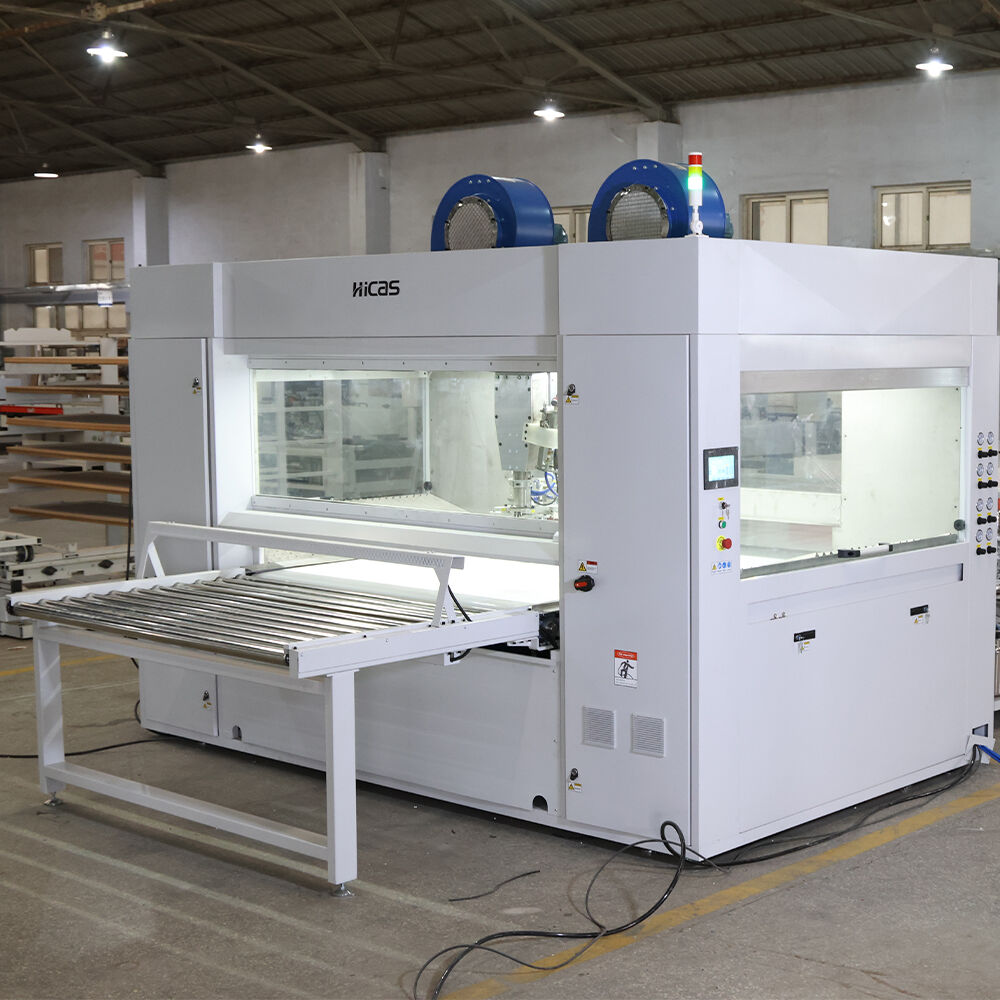
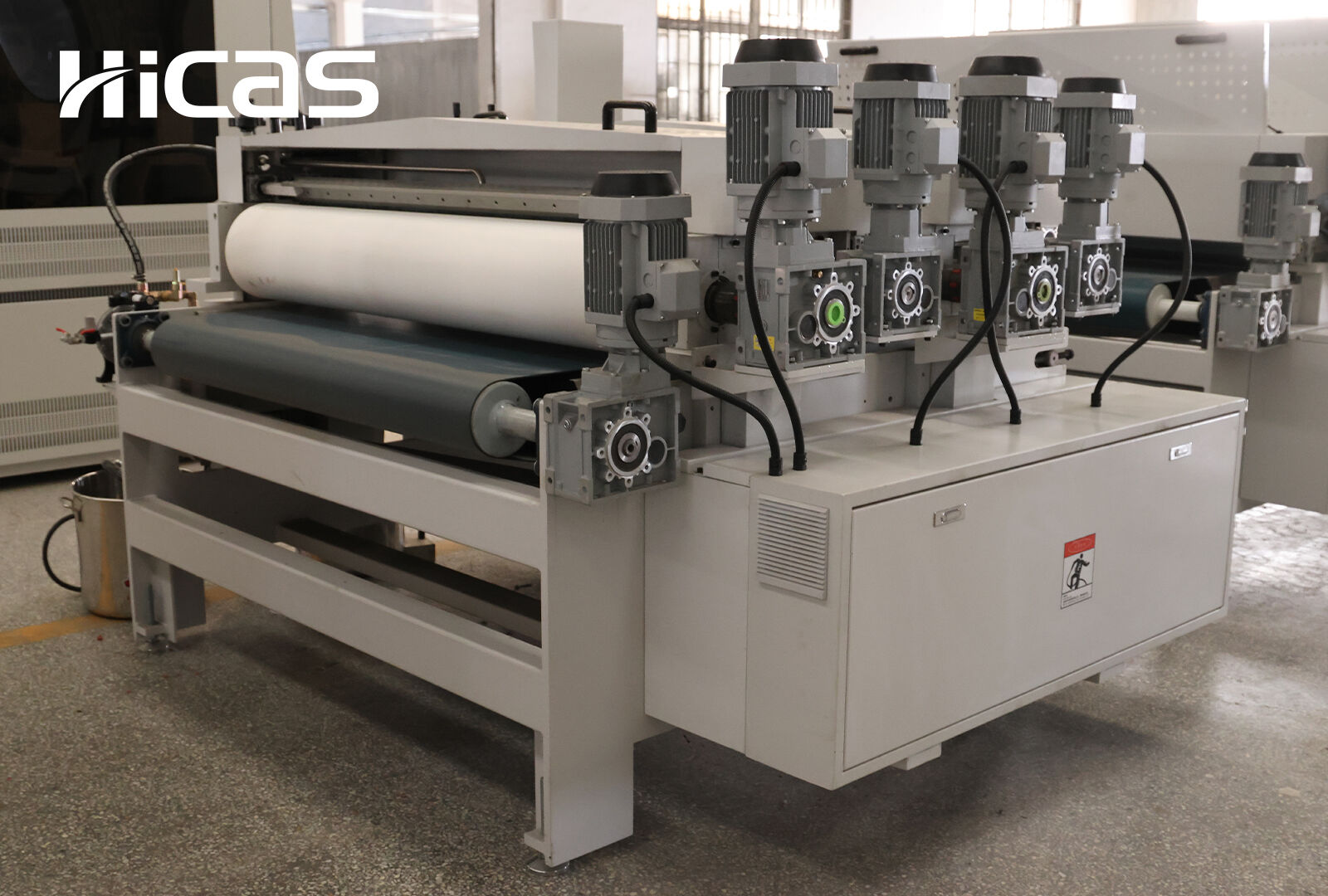
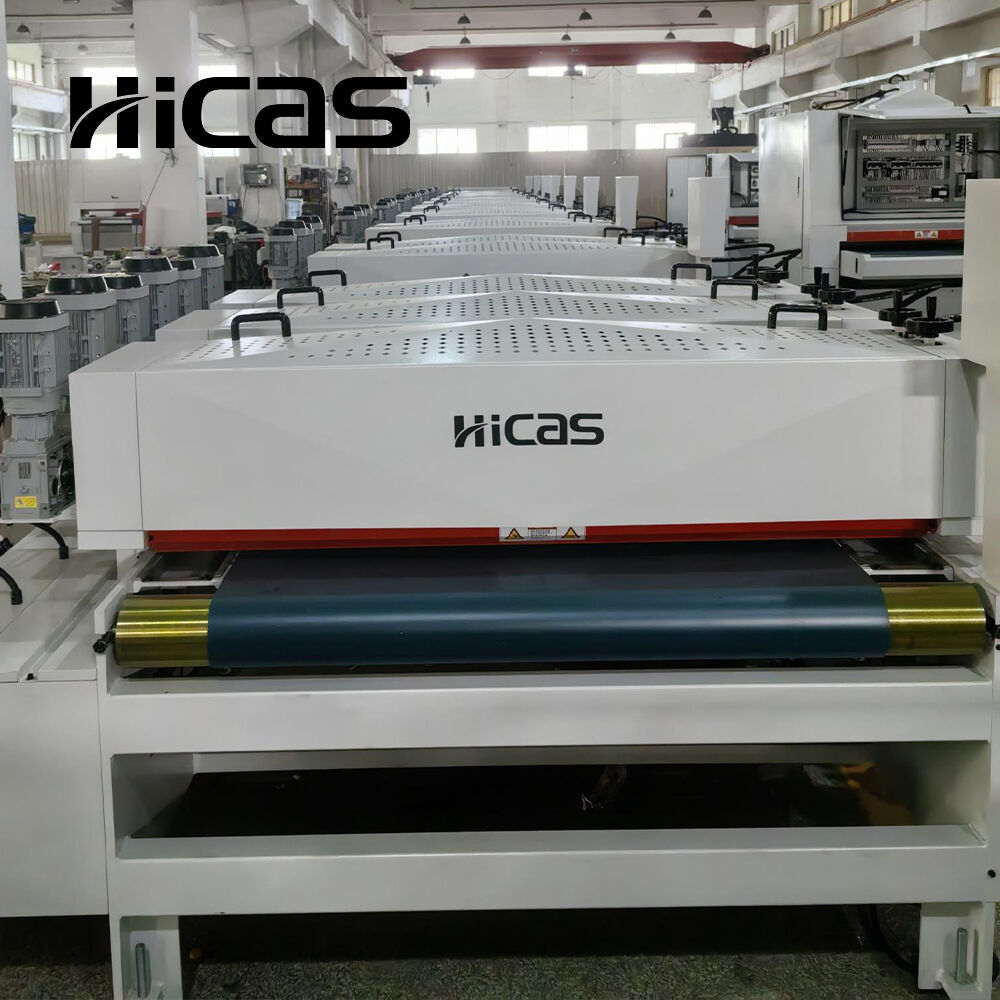
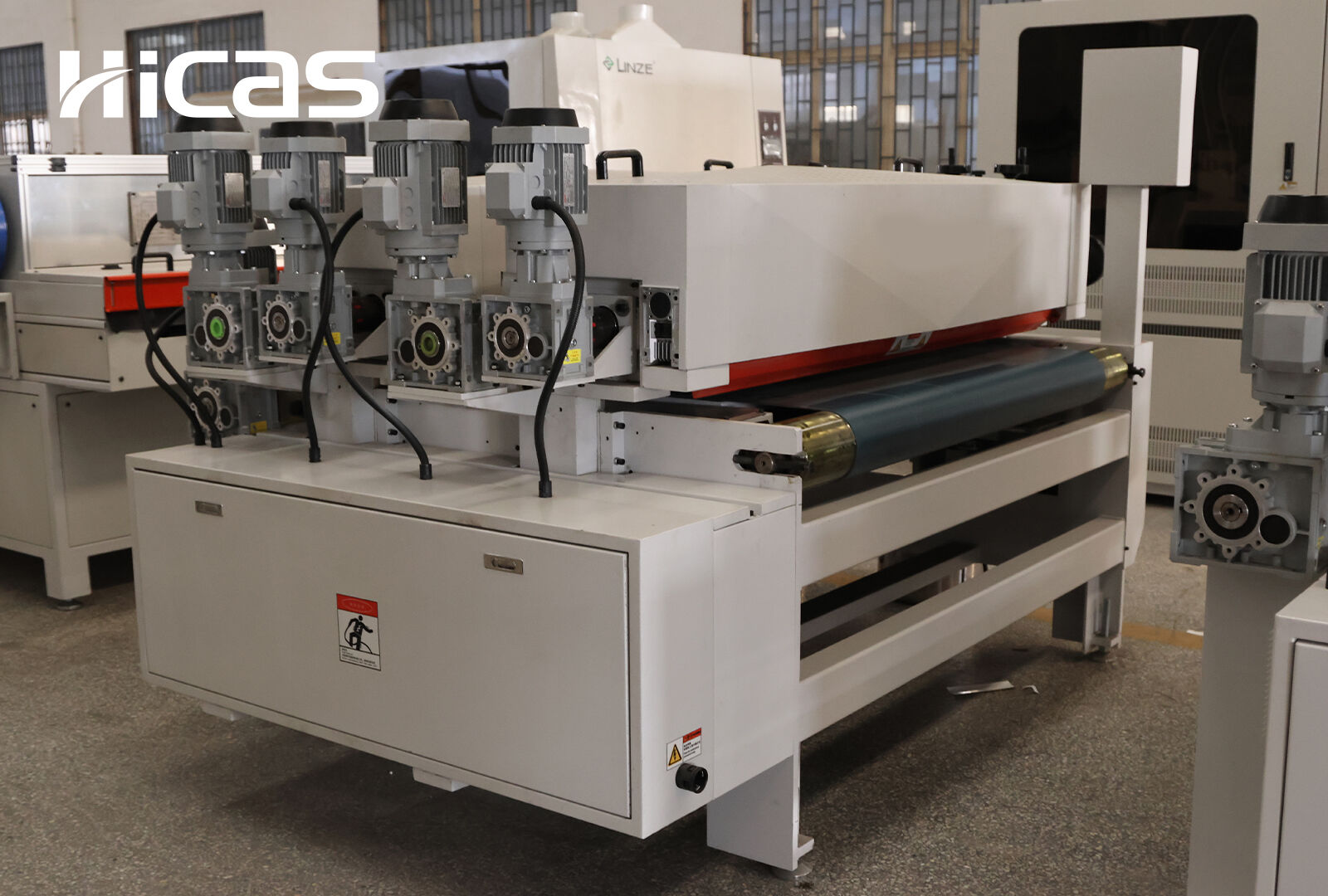
A roller coating machine for wood is an advanced industrial finishing system designed to apply uniform coats of paint, varnish, lacquer, or other protective finishes onto wooden surfaces with exceptional precision and consistency. This automated equipment utilizes a series of precision-engineered rollers that rotate and transfer coating materials onto wood panels, boards, furniture components, and other timber products as they pass through the machine on a conveyor system. The roller coating machine for wood operates by feeding wooden workpieces through multiple coating stations, where specially designed application rollers ensure even distribution of finishing materials across the entire surface. Modern systems incorporate adjustable roller pressure settings, variable speed controls, and sophisticated metering systems that regulate coating thickness with micron-level accuracy. These machines are engineered to handle various wood types, from softwoods like pine to hardwoods such as oak and maple, accommodating different surface textures and grain patterns. The technology integrates drying zones equipped with infrared heaters or UV curing systems that accelerate the drying process between coating applications. Advanced roller coating machine for wood models feature computer-controlled interfaces that allow operators to program specific coating parameters, store multiple finishing recipes, and monitor production metrics in real-time. These systems are indispensable in furniture manufacturing plants, door production facilities, flooring manufacturers, and cabinet-making workshops where high-volume production demands consistent quality and rapid throughput while minimizing material waste and reducing labor costs.

Popular Products

Investing in a roller coating machine for wood delivers transformative benefits that directly impact your production efficiency and bottom line. This equipment dramatically reduces finishing time compared to manual application methods, enabling you to complete coating projects up to ten times faster while maintaining superior consistency across every piece. The automated process eliminates human error and variability, ensuring each wooden surface receives precisely the same coating thickness and coverage, which translates to predictable quality that strengthens your reputation and reduces customer complaints. Your material costs decrease significantly because the roller coating machine for wood applies exact amounts of finish without the overspray and waste associated with spray systems, typically reducing coating consumption by thirty to forty percent. Labor requirements drop substantially as one operator can oversee the entire coating line that would otherwise require multiple manual finishers, freeing your skilled workers for higher-value tasks. The machine handles both sides of panels simultaneously in double-sided configurations, cutting processing time in half and accelerating order fulfillment. Environmental benefits include reduced volatile organic compound emissions due to precise application and minimal overspray, helping you meet regulatory requirements and create a healthier workplace. The roller coating machine for wood adapts to various finishing materials including water-based coatings, solvent-based systems, UV-curable finishes, and specialty treatments, giving you flexibility to meet diverse customer specifications without changing equipment. Production capacity scales easily during peak periods by adjusting line speed, and the consistent quality reduces rework rates and material rejection, protecting your profit margins. The compact footprint requires less factory space than spray booths, and straightforward maintenance procedures minimize downtime, ensuring maximum equipment availability when you need it most.

Tips And Tricks

Applications of Wide Belt Sanders in the Metalworking Industry

18

Mar

Applications of Wide Belt Sanders in the Metalworking Industry

Wide-belt sanding technology for metals utilizes continuous sanding belts to achieve precise surface finishes in a variety of industrial applications. These automated systems maintain stable material removal rates via electric conveyor belts and ad...
View More
Choosing Between Entry-Level and High-Speed Wooden Pallet Making Machines

26

Feb

Choosing Between Entry-Level and High-Speed Wooden Pallet Making Machines

Production Volume Requirements: Matching Output to Wooden Pallet Making Machine Capability Cycle Time, Pallets per Shift, and Scalability Thresholds The amount of pallets being produced on a regular basis really makes all the difference when decid...
View More
Production Capacity Planning for Wooden Pallet Making Machines

28

Feb

Production Capacity Planning for Wooden Pallet Making Machines

Core Capacity Concepts for Wooden Pallet Making MachinesDesign, Effective, and Actual Capacity in Pallet ManufacturingCapacity planning begins with understanding three critical concepts:Design capacity: The theoretical maximum output of machinery und...
View More
Key Advantages of Using High Speed Pallet Nailing Machines in Large Scale Production

27

Mar

Key Advantages of Using High Speed Pallet Nailing Machines in Large Scale Production

Boosting Production Efficiency with High-Speed Pallet Nailing Machines Eliminating Assembly Bottlenecks: From Manual Labor to Fully Synchronized Automation Switching from manual hammering to automated pallet nailing systems takes away those frustr...
View More

Get a Free Quote

Our representative will contact you soon.
Email
Mobile
Name
Company Name
Message
0/1000

roller coating machine for wood

Precision Coating Control Technology

Precision Coating Control Technology

The roller coating machine for wood incorporates sophisticated coating control systems that deliver unmatched precision in finish application. Multiple metering rollers work in synchronized coordination to pick up coating material from the reservoir, regulate the exact film thickness, and transfer it uniformly onto the wood surface as it passes through the machine. Adjustable doctor blades and precisely calibrated roller gaps allow operators to set coating thickness from ultra-thin sealers at fifteen microns to heavy-bodied finishes exceeding one hundred microns, all while maintaining consistent coverage regardless of wood grain variations or surface irregularities. The pressure-adjustable application rollers compensate for slight thickness variations in incoming wood panels, ensuring even coating distribution across the entire workpiece. Advanced models feature servo-driven roller systems with digital readouts that display real-time coating parameters and enable micrometer-level adjustments. This precision eliminates common finishing defects like streaking, puddling, dry spots, and uneven gloss levels that plague manual and spray applications. The result is professional-grade finishes that enhance wood appearance, maximize material utilization, and reduce the need for costly sanding and recoating operations while delivering the consistent quality that discriminating customers demand.
High-Speed Production Capability

High-Speed Production Capability

Production throughput reaches impressive levels with a roller coating machine for wood, transforming your manufacturing capacity and enabling you to accept larger orders with confidence. These systems process wooden components at speeds ranging from ten to sixty meters per minute depending on coating requirements and drying technology, dramatically outpacing manual finishing methods. The continuous-feed design means workpieces move through coating stations without stopping, eliminating the start-stop delays that reduce productivity in batch processes. Quick-change roller systems allow rapid switching between different coating materials or colors, typically completed within fifteen minutes, minimizing downtime between production runs. Integrated conveyor systems automatically transport wood pieces from raw material infeed through coating application, flash-off zones, drying chambers, and final cooling sections before discharge, creating a seamless automated workflow. The roller coating machine for wood handles various component sizes simultaneously by adjusting guide rails and conveyor width settings, accommodating everything from narrow trim pieces to wide panels without requiring extensive reconfiguration. Dual-sided coating capability effectively doubles throughput by finishing both surfaces in a single pass, and multi-station configurations apply primer and topcoat layers sequentially, completing complex finishing schedules that would otherwise require multiple separate operations and extended processing times.
Versatile Application Flexibility

Versatile Application Flexibility

The roller coating machine for wood demonstrates remarkable versatility in handling diverse finishing requirements across multiple woodworking industries and applications. These systems successfully apply virtually any liquid coating formulation including polyurethane lacquers, acrylic paints, oil-based stains, water-based sealers, UV-curable topcoats, and specialty treatments like flame retardants or antibacterial finishes. Adjustable parameters accommodate different wood species with varying porosity levels, from tight-grained maple that requires minimal penetration to open-grained oak demanding deeper coating absorption. The equipment processes an extensive range of component geometries including flat panels, profiled moldings, edge-banded boards, and textured surfaces, with specialized roller configurations designed for specific applications. Temperature control systems maintain optimal coating viscosity throughout production runs, ensuring consistent application properties regardless of ambient conditions or extended operating periods. The roller coating machine for wood integrates seamlessly with existing production lines, accepting workpieces from upstream cutting or sanding operations and delivering finished components to downstream packaging or assembly stations. Programmable control systems store multiple finishing recipes, allowing instant changeover between different products or customer specifications without manual recalibration, making this equipment ideal for custom woodworking shops and high-mix manufacturing environments where flexibility determines competitive advantage.